


Tuesday, 09 June 2026
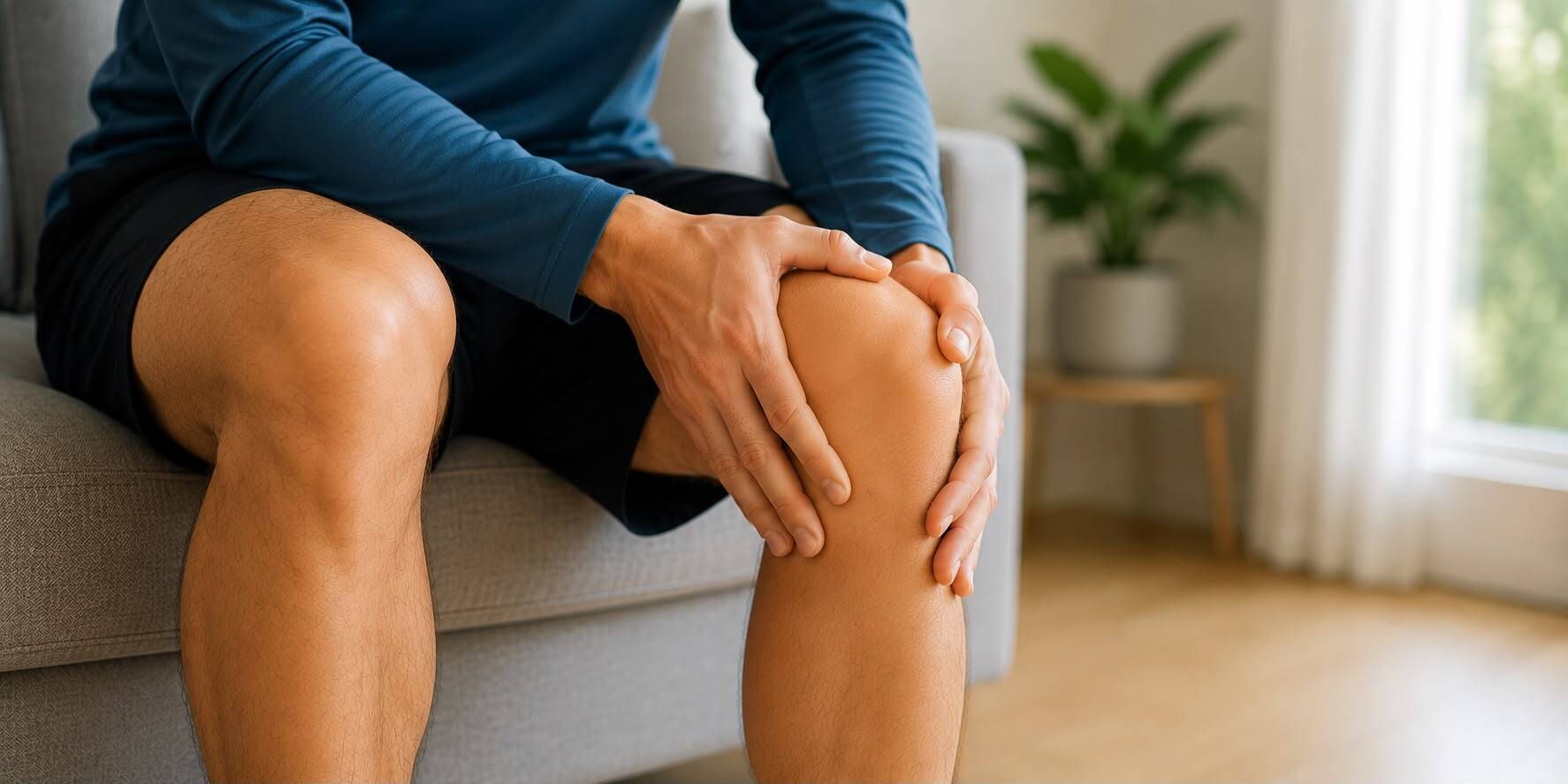
Have you ever noticed your knee cracking when standing up from a chair, climbing stairs, squatting at the gym, or going for a walk? You're certainly not alone. Knee cracking, clicking, and popping are extremely common and can occur in people of all ages.
For many individuals, these sounds are completely normal and occur without pain or any underlying injury. However, when knee cracking is accompanied by discomfort, swelling, stiffness, or instability, it may indicate an issue that deserves further assessment.
Why Do My Knees Crack?
Knee cracking can occur for a variety of reasons. In many cases, the sound itself is not a cause for concern and simply reflects normal movement within the joint.
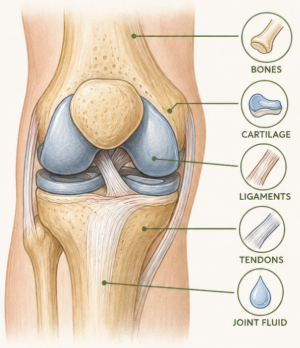
The knee is a complex structure made up of bones, cartilage, ligaments, tendons, and joint fluid. As these structures move and interact during daily activities, sounds such as cracking, clicking, or popping may occur.
The most important factor is not necessarily the sound itself, but whether it is accompanied by symptoms such as pain, swelling, stiffness, or loss of function.
What Causes Knee Cracking?
There are several possible explanations for knee cracking, ranging from completely normal joint mechanics to age-related changes within the knee.
1. Gas Bubbles Within the Joint
One common cause of knee cracking involves tiny gas bubbles within the synovial fluid that lubricates the joint. As the knee bends and straightens, changes in pressure can cause these gas bubbles to form and collapse, creating a cracking sound. This process is similar to what happens when someone cracks their knuckles and is generally harmless.
2. Tendons and Ligaments Moving Over Structures
As the knee moves, tendons and ligaments can occasionally shift over nearby bony structures.
This movement may create a clicking or snapping sensation that can sometimes be felt as well as heard. In many cases, this is a normal part of joint movement and does not indicate damage.
3. Cartilage and Joint Surface Changes
The ends of the bones within the knee are covered by smooth cartilage that helps movement occur with minimal friction.Over time, small changes to these surfaces may contribute to grinding, crunching, or crackling sounds. This phenomenon is often referred to as crepitus and becomes more common with age.
4. Increased Joint Loading During Exercise
Many people notice knee cracking when squatting, lunging, climbing stairs, or exercising.
These activities increase the forces passing through the knee joint, which can make normal joint sounds more noticeable. In the absence of pain, these noises are often considered normal.
Is Knee Cracking Normal?
In most cases, yes.
Many healthy individuals experience knee cracking without any pain, swelling, or limitation in movement. Joint noises are common across all age groups and do not automatically indicate injury or arthritis.
Knee cracking is generally considered normal when it is:
- Painless
- Occasional or predictable
- Not causing the knee to lock or give way
- Not limiting daily activities or exercise
Cracking, Clicking, Popping, and Grinding: What's the Difference?

Many people use these terms interchangeably, but they can describe slightly different sensations.
1. Cracking
Often caused by gas bubbles within the joint or normal movement of joint structures.
2. Clicking
Frequently associated with tendons or ligaments moving across nearby structures.
3. Popping
Can occur during normal movement but may also be associated with injury if it happens suddenly during sport or physical activity.
4. Grinding (Crepitus)
Usually describes a crunching or grating sensation that may occur when the joint surfaces move against one another.While these sounds can provide clues, the accompanying symptoms are usually more important than the noise itself.
When Should You Be Concerned About Knee Cracking?
Although knee cracking is often harmless, certain symptoms may indicate an underlying issue requiring assessment.
Knee cracking is generally considered normal when it is:
- Pain during movement
- Swelling around the knee
- Joint stiffness
- Locking or catching sensations
- A feeling that the knee may give way
- Reduced range of motion
- Difficulty walking or exercising
- Symptoms following an injury
A sudden loud pop accompanied by pain, swelling, or instability should always be assessed promptly, particularly if it occurred during sport or exercise.
When Should You See a Podiatrist?
Not all flat feet require treatment.
Most flexible flat feet improve naturally and only require monitoring.
If symptoms are present, treatment may include:
- Knee cracking is accompanied by pain
- Symptoms occur during walking, running, or sport
- You have flat feet or concerns about your foot posture
- Knee discomfort persists despite rest
- You would like an assessment of your gait and biomechanics
- You suspect footwear or foot mechanics may be contributing to your symptoms
Early assessment can help identify how your feet and lower limbs function together and determine whether biomechanical factors may be playing a role in your knee symptoms.
Need an Assessment?
Knee cracking is extremely common and, in many cases, is simply a normal part of joint movement. Sounds such as cracking, clicking, and popping often occur without injury and do not automatically indicate arthritis or joint damage. However, if knee cracking is accompanied by pain, swelling, stiffness, locking, or instability, it may indicate an underlying issue that deserves further assessment.
At East Coast Podiatry, we provide comprehensive biomechanical assessments to help identify factors that may be contributing to knee pain and lower limb discomfort. By evaluating foot posture, gait patterns, footwear, and overall lower limb function, we can gain a clearer understanding of how the feet and knees work together and provide personalised recommendations to support your long-term mobility and joint health.