

Friday, 17 April 2026
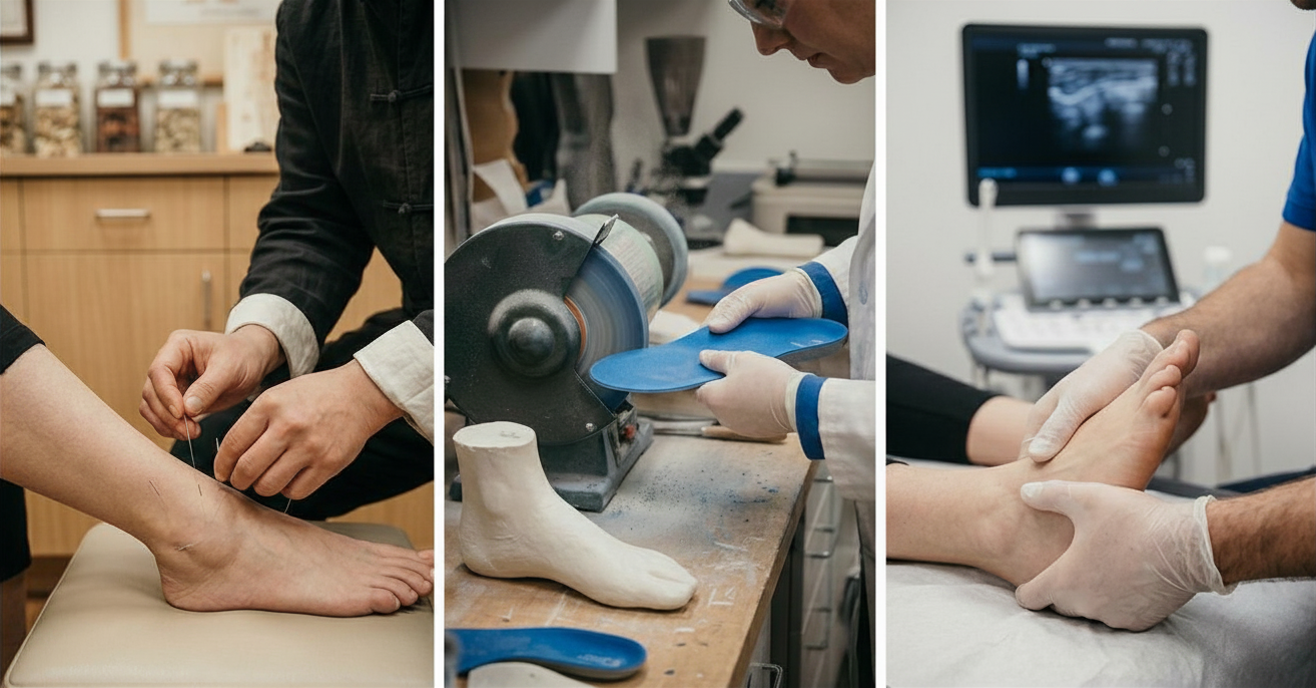
When lower limb pain starts affecting your daily routine, whether it's your feet, knees, or ankles, it's tough deciding which is the best treatment option to go with.
In Singapore, many people would commonly consider these options:
- Traditional Chinese Medicine (TCM)
- Orthotics
- Podiatry
Each approach offers different benefits, and understanding how they differ can help you choose the most appropriate care for your condition.
Why Lower Limb Pain Shouldn’t Be Ignored
Lower limb pain often develops gradually and may initially seem minor. However, when left unaddressed, it can begin to affect your mobility, posture, and even other areas of your body.
For example, conditions like Plantar Fasciitis can cause sharp pain, particularly during your first steps in the morning, and may worsen with prolonged standing or activity.
As your body compensates for discomfort, additional strain may develop in your tendons, knees, hips, or lower back, making early management important.
Traditional Chinese Medicine (TCM) for Lower Limb Pain
What Does TCM Focus On?
Traditional Chinese Medicine (TCM) is frequently used as a complementary approach to managing lower limb pain, particularly when the pain is chronic or related to musculoskeletal imbalances. In a TCM framework, pain is often viewed as a "stagnation" of Qi (energy) or blood, or as an invasion of external factors like "dampness" or "cold."
Rather than targeting a single structure, TCM often considers how different parts of the body interact.
Common TCM Treatments
Treatment approaches may include:
- Acupuncture
- Cupping
- Herbal medication
- Tuina massage
These treatments are commonly used to reduce muscle tension and promote circulation.
When TCM May Be Helpful
TCM may be beneficial for:
- General muscle tightness
- Managing pain, inflammation and blood/energy flow
- Early-stage discomfort
- Reducing pain and improving natural healing of soft tissues
However, if symptoms persist or worsen, further assessment may be helpful to identify the underlying cause.
Orthotics for Lower Limb Pain
What Are Orthotics?
Orthotics are shoe inserts designed to support foot alignment and improve pressure distribution.
Orthotics are a cornerstone of lower limb care, especially when the goal is long-term relief rather than just symptom management. While therapies like TCM focus on the "software" (the biological signals like pain, inflammation, and circulation), orthotics are designed to fix the "hardware" (the physical structure and alignment of the body).
When Orthotics May Help
Orthotics are not just personalised shoe insoles or lower limb devices, they are medical devices designed to alter the way your foot interacts with the ground.
Orthotics may be useful for:
- Redistributing Pressure: By filling the gap between your foot and your shoe, they move weight away from painful areas (like a heel spur or a bunion) and spread it across the entire foot.
- Controlling Motion: They can limit excessive movement, such as over-pronation (the foot rolling inward too much), which is a common cause of plantar fasciitis, shin splints, and even knee pain.
- Improving Alignment and Load Distribution: The foot is the foundation of the body, a slight misalignment in the arch can cause the knee to rotate inward, the hip to drop, and the lower back to strain. Orthotics aim to realign this entire "chain."
By improving foot mechanics, orthotics may help reduce stress on the feet and lower limbs.
However, orthotics alone may not address all contributing factors, especially if multiple structures are involved.
Podiatry for Lower Limb Pain
What Does Podiatry Focus On?
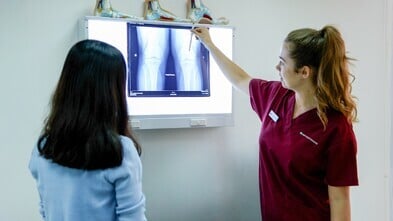
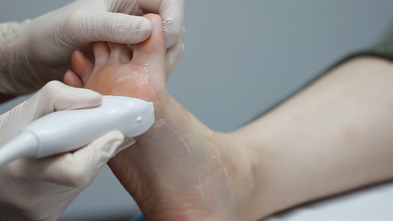
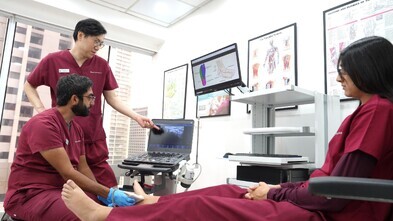
While TCM manages the biological "flow" and orthotics provide the structural "hardware," podiatry acts as the medical architect of the entire lower limb. It is the clinical discipline that bridges the gap between immediate pain relief and long-term structural correction. Podiatry focuses on diagnosing and managing conditions affecting the foot, ankle, and lower limb.
This may include:
- Biomechanical assessments
- Gait analysis
- Footwear evaluation
- Rehabilitation planning
Unlike isolated treatments, podiatry aims to identify the root cause of pain and develop a comprehensive management plan.
Treatment Options May Include
Depending on your condition, management may involve:
- Footwear advice
- Customised orthotics
- Rehabilitation exercises
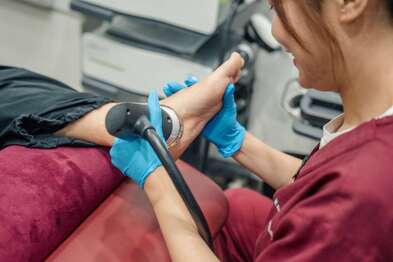
- Shockwave therapy
- Activity modification
The goal is not only to relieve pain but also to treat the symptoms through a holistic view instead on an isolated condition.
Key Differences Between TCM, Orthotics and Podiatry 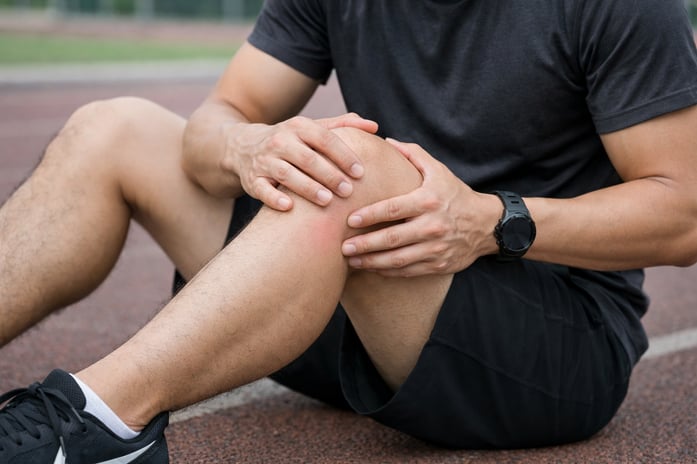
Each approach has its own benefits and serves a different purpose:
Traditional Chinese Medicine (TCM)
- Focus: Muscle tension and circulation
- Best for: General discomfort, early-stage symptoms and complementary recovery
Orthotics
- Focus: Foot support and alignment
- Best for: Structural or biomechanical issues
Podiatry
- Focus: Diagnosis and comprehensive management
- Best for: Persistent or complex lower limb pain
In many cases, these approaches can also complement one another depending on your pain and conditions.
When Should You Consider Seeing a Podiatrist?
You may benefit from further assessment if:
- Pain keeps returning
- Symptoms worsen over time
- Walking or exercise becomes uncomfortable
- You're unsure of the cause
- Previous treatments haven’t helped
Early assessment may help prevent symptoms from becoming more persistent or affecting other areas.
Choosing the Right Approach for You
Lower limb pain can arise from a variety of causes, and there isn’t always a one-size-fits-all solution.
Traditional Chinese Medicine (TCM), Orthotics, and Podiatry each play a role in managing lower limb conditions. The most suitable option often depends on the underlying cause of your pain, your activity levels, and your individual needs.
If your symptoms persist or begin affecting your daily activities, seeking professional assessment may help you better understand your condition and explore appropriate treatment options.
Taking early steps toward care may help you return to comfortable movement — and keep you doing the things you enjoy.