

Skip to content

What are the Common Causes of Fracture in the Elderly?

Osteoporosis (skeletal fragility) and falls are two of the main reasons for most fractures sustained by the elderly. Osteoporosis is the primary cause of vertebral compression fractures, while falls are more responsible for appendicular fractures (such as those of the hip and femur). Although all bones in the body can be impacted, fractures in the elderly typically occur in the hip, knees, or feet.

The risk of sustaining a fracture increases linearly as bone mineral density decreases, leading to an increasing need for bone and muscle strength maintenance as one ages. Similarly, the occurrence of fracture-inducing falls can be reduced by improving one’s gait, balance, and coordination.

What Are Some Signs of a Fracture?

  • Sharp immediate pain in the fracture location
  • Inability to put pressure on the site of injury
  • Radiating pain
  • Bruising and inflammation extending from the site of injury
  • Tenderness, swelling or bruising at the site of injury
  • Dull aching sensation
prevent-fracturesn-and-maintain-healthy-bones

How Can Your Podiatrist Aid With Recovery?

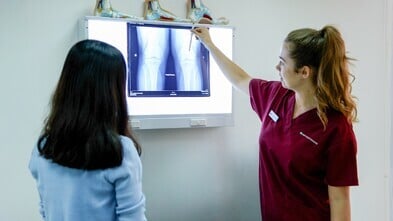
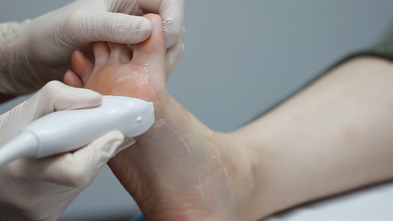
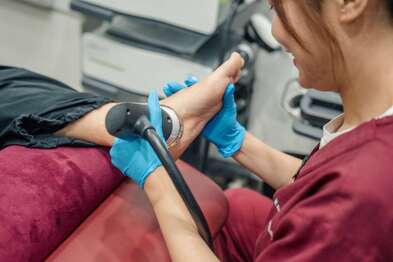
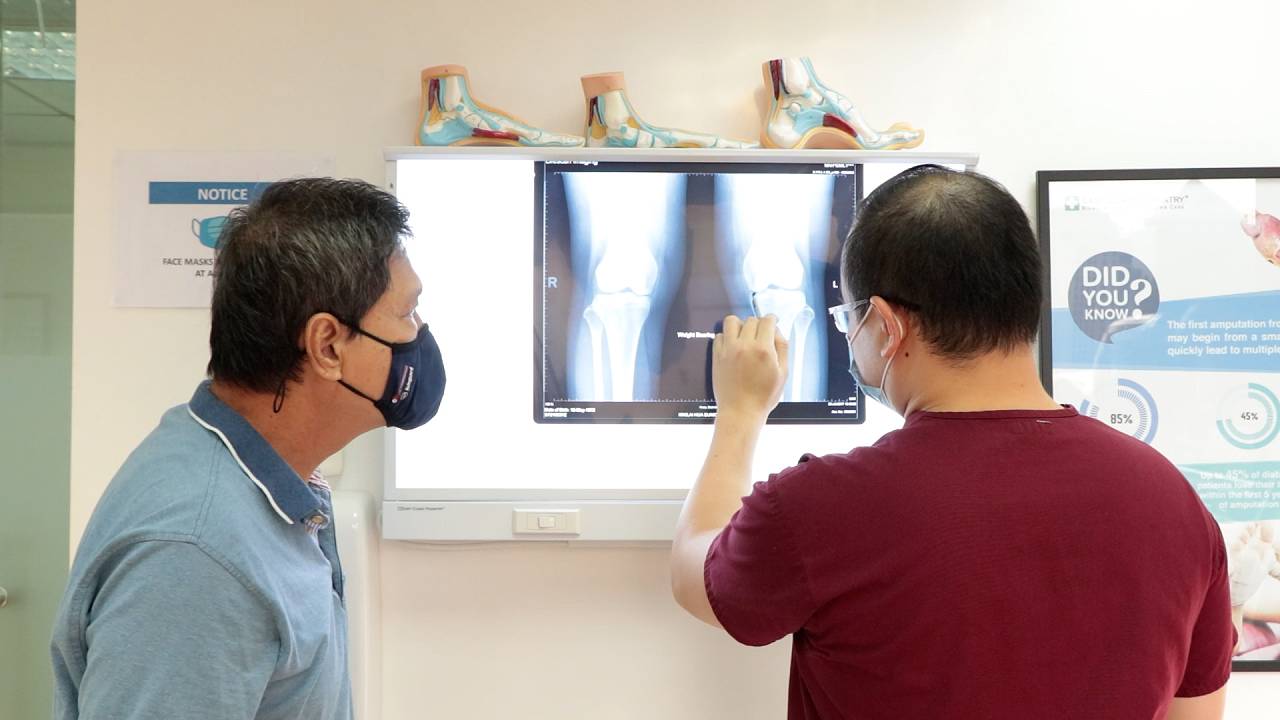
An initial assessment with a podiatrist is required to obtain an accurate diagnosis. An ultrasound or x-ray image is normally used to ascertain the severity and type of fracture to guide the appropriate podiatric intervention. Depending on the nature of the fracture and the results of your diagnosis, one or more of the following approaches may be utilised:

Such procedures are subject to weekly review, while more severe fractures may require surgical intervention.

How to Prevent Fractures and Maintain Healthy Bones?

Hazards such as wet and cluttered floors, loose mats, and dimly lit rooms are major contributors to falls (hyperlink to fall risk prevention page) that occur at home. It is important to minimise such risks to prevent fractures from happening, and if needed, grab bars can be installed in bathrooms as an added precaution against slipping.

A nutrient-rich diet containing enough calcium and vitamin D is also important to maintain strong and healthy bones to combat the onset of osteoporosis. As a general rule, the dietary requirement for adults 51 years and above is 1,000mg of calcium and 600 IU of vitamin D per day.1

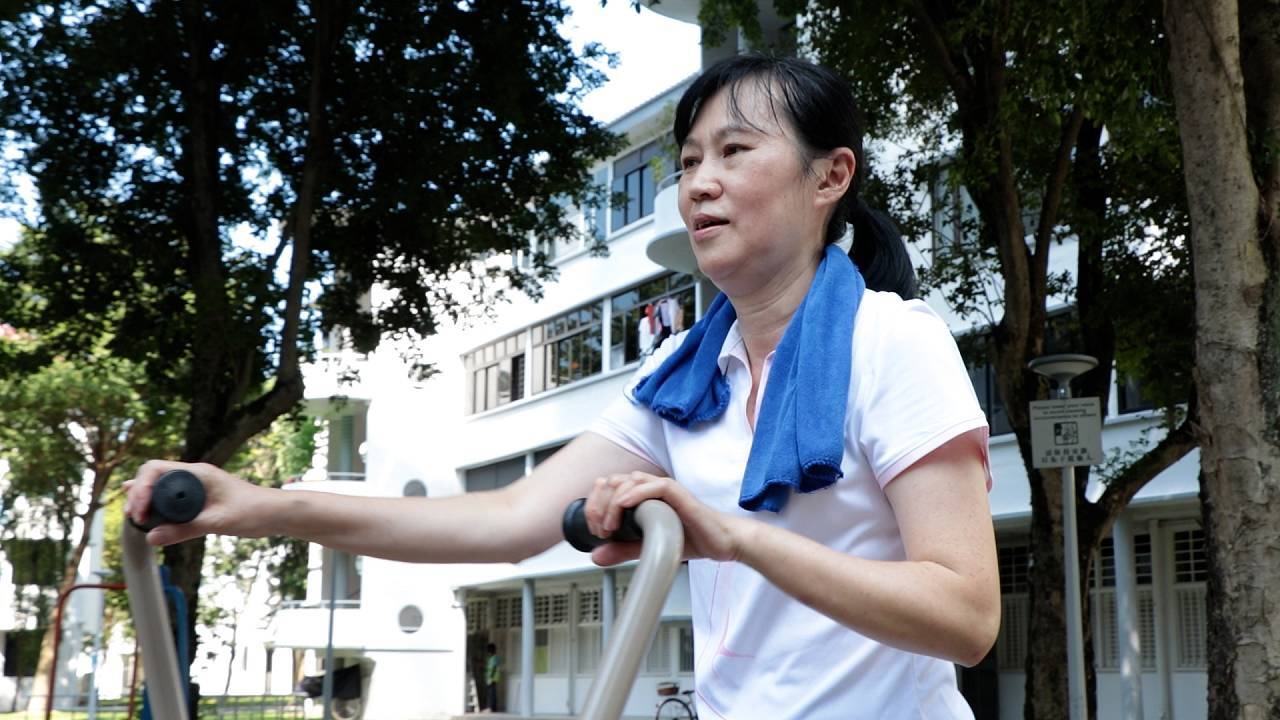
Older individuals should also adopt an appropriate training programme that includes strength and balance exercises to maintain peak bone density, increase overall strength, and improve balance. Keeping a person mobile can extend their quality of life and keep them in better fracture-free health for many more years.
podiatrist-aid-with-fractures-recovery

Disclaimer

  1. https://www.bones.nih.gov/health-info/bone/bone-health/nutrition/calcium-and-vitamin-d-important-every-age

Book an Appointment

Opening Hours

With five conveniently located clinics in Bukit Timah, Kembangan, Novena, and Orchard, we provide thorough reviews and personalised care methods to address a wide range of lower limb issues that you or your family members might face. From initial assessment to tailored care plans, we ensure that every step of your journey is handled with expertise and attention to detail.

Mon to Sat - 9am to 6pm, Sun & Public Holidays - Closed

We recommend that you schedule an appointment prior to visiting our clinics.

Orchard

302 Orchard Road
Tong Building #09-02 (Rolex Centre)
Singapore 238862
Tel: +(65) 6884 4123

Kembangan

18 Jalan Masjid
Kembangan Plaza #B1-02
Singapore 418944
Tel: +(65) 6848 5156

Novena

10 Sinaran Drive
Novena Medical Centre #08-13
Singapore 307506
Tel: +(65) 6235 2132

Bukit Timah

1 Fifth Avenue
Guthrie House #02-04
Singapore 268802
Tel: +(65) 6235 9080

Marine Parade

80 Marine Parade Rd
Parkway Parade #08-04
Singapore 449269
Tel: +(65) 6592 8082