


Toenail Trauma Causes, Symptoms, and Prevention
Toenail trauma ranges from subungual haematomas (blood under the nail) to full nail detachment. Learn about the common causes, such as abnormal biomechanics and footwear pressure, and explore our professional management options, including specialist drainage and nail avulsion surgery.
Have you been experiencing pain or discomfort around your toenail? If so, you might be dealing with an ingrown toenail. This condition occurs when the edge of a toenail grows into the surrounding skin, causing swelling and pain due to infection (Paronychia). To prevent this condition, it is crucial to understand its root causes. Common causes include improper nail trimming, tight footwear, and genetic predisposition.
Equally important is the early recognition of symptoms. Symptoms like redness, tenderness, and pus around the toenail can indicate an ingrown toenail. Identifying these signs promptly allows for timely intervention and effective management. By understanding the causes and symptoms, you can take proactive steps to address this condition.
Types of Toenail Trauma
Toenail trauma can manifest in different forms, each requiring specific care. Here are the most common types:
- Subungual Haematoma: Blood collects beneath a toenail, causing painful dark discolouration. It usually follows an impact injury and can lead to pressure buildup.
- Nail Bed Lacerations: A deep cut or tear in the skin beneath the toenail, resulting in pain, bleeding, and potential damage to the nail matrix, affecting future growth.
- Nail Separation: When a toenail separates from the nail bed due to trauma or force, it can cause significant discomfort and expose the nail bed to infection.
- Nail Fracture: A toenail fracture occurs when the nail cracks or breaks, which may result in partial or full detachment from the nail bed.
Symptoms of Toenail Trauma
Symptoms of toenail trauma reflect the injury type. Immediate signs like discolouration or pain indicate acute trauma, while changes in toenail growth or thickness often develop from repeated stress. Common symptoms include:
- Discolouration: Blackish, bluish, or purplish under the toenail, often from blood pooling after impact.
- Pain or Throbbing: Common in most types of toenail traumas, from minor injuries to more severe fractures or lacerations.
- Swelling: Tenderness and swelling around the toenail, especially in avulsions or lacerations. It can make walking or wearing shoes painful.
- Nail Lifting or Detachment: When the toenail lifts away from the skin or completely detaches, exposing the nail bed.
- Changes in Nail Growth: Thickened, ridged, or ingrown toenails are common with long-term repetitive injuries or poorly fitted shoes.
Toenail Trauma Treatment and Prevention
In Singapore, treatment options for toenail trauma range from simple remedies to more advanced care, depending on the severity of the injury. Before deciding on the best treatment, it’s important to assess the extent of damage and whether trauma is likely to recur.
Some common treatment options include:
- Specialist Nail Cutting: Damaged parts of the nail are carefully trimmed to reduce discomfort and prevent further injury.
- Drainage: If blood or fluid collects under the toenail (as with subungual haematomas), a small hole may be created in the nail plate to relieve pressure and pain.
- Antibiotics and Cleaning: For torn or lacerated nails, cleansing the area and using antibiotics can help prevent infection.
- Addressing Foot Biomechanics: Poor foot mechanics, such as overpronation, may need correction to prevent repetitive trauma. This can include recommendations for proper footwear or customised orthotics.
For those who have experienced recurring toenail trauma, here are some preventive measures to consider:
- Wear Properly Fitting Footwear: Ensure your shoes provide enough space for the toes to avoid unnecessary pressure on the toenails.
- Trim Toenails Properly: Cut toenails straight across, avoiding sharp edges and cutting them too short to reduce the risk of injury and ingrown nails.
Common Causes of Toenail Trauma
Once you are familiar with the types, it’s important to understand the causes behind them. Here are the more common ones:
- Abnormal Biomechanics: Irregular foot biomechanics, such as overpronation or supination, can place uneven stress on the toenails. Over time, this repeated stress can lead to micro-injuries and toenail trauma.
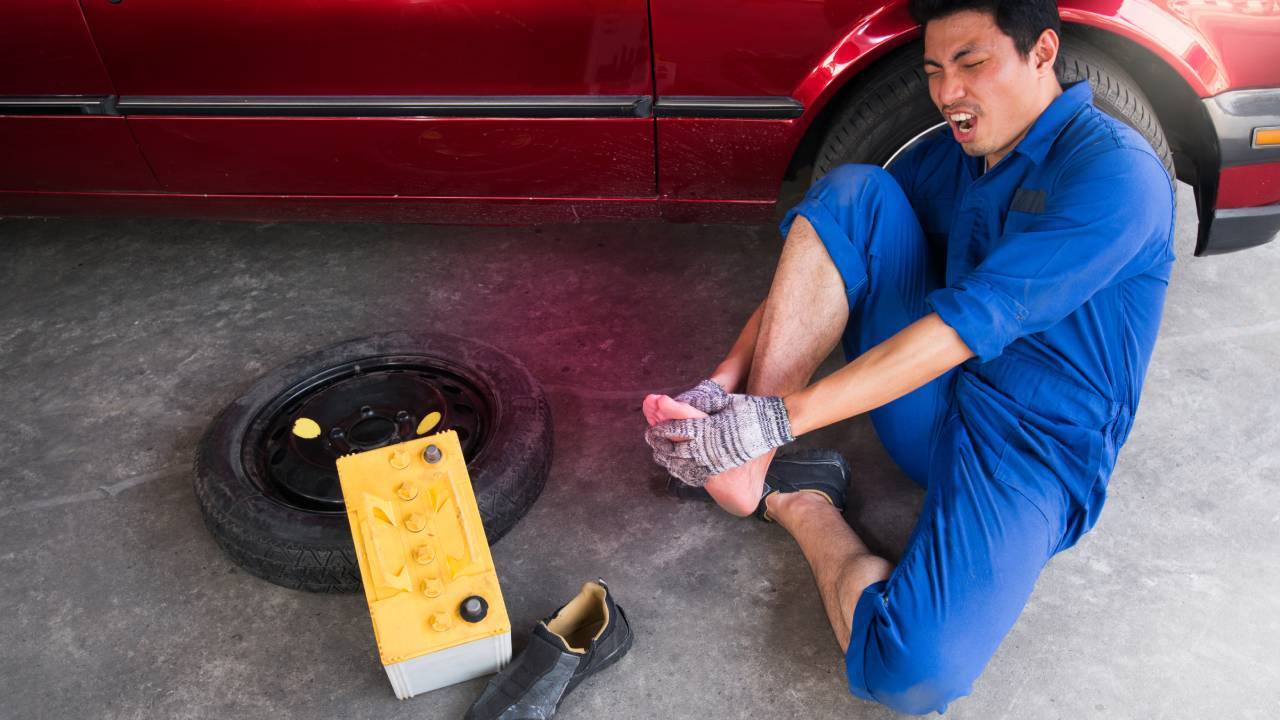
- Crushing or Dropping Something on the Toe: A sudden impact, such as dropping a heavy object on the toe, can lead to significant trauma. This type of injury can cause immediate damage to the toenail and surrounding tissue.
- Pressure from Poor-Fitting Footwear: Wearing shoes that are too tight or improperly fitted can create excessive pressure on the toenails. This often results in bruising, discolouration, and, in severe cases, detachment of the nail from the nail bed.
- Repetitive Micro-Injuries: Engaging in activities that exert constant pressure on the toes, such as running, hiking, or playing sports such as football, can cause cumulative damage. Over time, this repeated stress can result in discoloured, bruised toenails or other injuries.
Because fungal toenails don’t always cause significant discomfort early on, it’s easy for the condition to be neglected. However, routine nail and skin care at the podiatrist’s is crucial for those at risk. Regular check-ups help catch any subtle changes in the nails, ensuring timely intervention before the infection becomes more serious.
When Nail Discoloration Isn’t Trauma
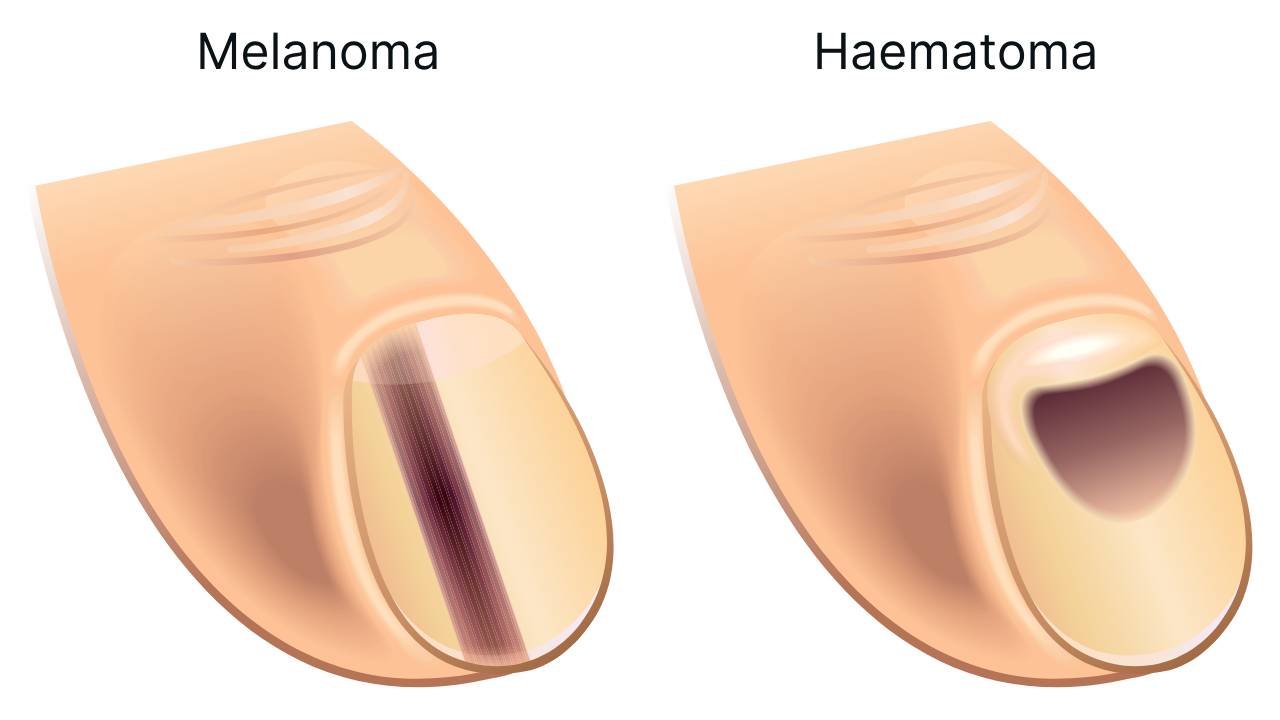
Although nail trauma is common, certain conditions like subungual melanoma, a rare form of skin cancer, can look similar. This type of melanoma typically presents as a vertical brown or black stripe running from the base to the tip of the nail.
Unlike trauma, which usually has a clear cause, this discolouration appears gradually and is often painless. Left untreated, subungual melanoma can spread, making early detection crucial. Because subungual melanomas are life-threatening and often overlooked, any unexplained nail discolouration without injury should prompt an immediate consultation with a podiatrist or doctor. Early diagnosis is key to successful treatment and recovery.
Toenail Removal Surgery for Trauma
In severe cases of toenail trauma where conservative treatments are insufficient, toenail removal surgery may be necessary to treat the injury and promote healing. The procedure can involve:
- Partial Nail Avulsion: A portion of the toenail is removed when part of the nail is detached or broken, preventing further damage and aiding the healing process.
- Total Nail Avulsion: The entire toenail is removed when the nail is severely damaged or completely detached, allowing the nail bed to heal and ensuring proper regrowth.
Following toenail removal surgery, it’s important to follow post-procedure care instructions from your podiatrist to ensure proper healing, reduce the risk of infection, and support healthy nail regrowth.
Get Relief from Toenail Trauma at East Coast Podiatry
At East Coast Podiatry, we understand how painful and frustrating toenail trauma can be. As Singapore’s leading podiatry clinic, we offer personalised care plans to address your specific needs, ensuring that you receive the most suitable treatment for your condition.
Whether you’ve experienced minor damage or severe trauma, our team uses the latest techniques and technology to treat a variety of toenail injuries. From specialist nail cutting and drainage procedures to toenail removal surgery, we provide comprehensive solutions designed to relieve pain, promote healing, and restore nail health. We also emphasise preventive care to help you avoid future injuries.
Don’t let toenail trauma disrupt your daily life. Contact us today to schedule a consultation and start your path to recovery. Our dedicated team is here to provide the treatment and support you need to regain healthy, pain-free feet.

Frequently Asked Questions About Toenail Trauma
How long does recovery from toenail trauma usually take?
The time it takes to recover from toenail trauma can vary depending on the nature of the injury. Minor trauma, such as slight bruising or small cuts, typically starts to improve within a few weeks. For more severe injuries, like a detached nail or damage to the nail bed, the recovery process may take between three to six months, as it takes that long for a toenail to fully regrow. If the nail bed is affected, the new nail may take longer to grow and could show changes in shape or texture as it heals.
Can toenail trauma heal naturally, or is treatment necessary?
In many cases, toenail trauma can heal naturally, especially if the injury is minor. Small bruises or surface-level cuts often resolve as the nail grows out over time. However, for more serious trauma, where there may be significant damage to the nail bed or partial detachment of the nail, seeking medical treatment is advisable. A podiatrist can assist in promoting proper healing and avoiding complications, such as infection or abnormal nail regrowth. The need for intervention depends on the severity and type of injury.
What is a nail avulsion procedure?
A nail avulsion is a minimally invasive surgical procedure used to remove part or all of a toenail that has been severely damaged due to trauma. It is commonly performed under local anaesthesia, ensuring that the area is numb, and the patient remains comfortable during the procedure. Depending on the extent of the damage, either a portion of the nail (partial nail avulsion) or the entire nail (total nail avulsion) may be removed. This procedure helps relieve pain, prevent infection, and allow the nail bed to heal properly. After the nail avulsion, the area is carefully treated to encourage healing, and a new nail will typically grow back over time.
Is it okay to drain a subungual haematoma on my own?
It is not recommended to drain a subungual haematoma yourself. While it may seem like a simple procedure, draining blood from under the nail requires proper sterilisation and technique to avoid infection or further injury. Attempting to do it at home without the right tools can lead to complications, such as damaging the nail bed or introducing bacteria. It is best to consult a podiatrist who can safely drain the haematoma using sterile equipment and local anaesthesia if needed. Professional care ensures proper healing and reduces the risk of complications.
What should I take note of after seeking treatment for toenail trauma?
Proper care after receiving treatment such as haematoma drainage or nail avulsion for toenail trauma, is vital for promoting healing and preventing complications. Here are some key tips to ensure a smooth recovery:
- Rest and Elevate: Keep your foot elevated as much as possible to reduce swelling and speed up recovery.
- Avoid High-Impact Activities: Refrain from running, jumping, or other activities that place pressure on the injured toenail until healing is well underway.
- Follow Cleaning Instructions: Your podiatrist will provide specific instructions on how to clean and dress the treated area to prevent infection. Be diligent in following these steps.
- Wear Appropriate Footwear: Opt for open-toed shoes or loose-fitting footwear to minimise pressure on the treated toenail.
- Protect the Toe: Be cautious not to bump or injure the toe further, as it can delay healing or cause additional damage.
- Monitor for Signs of Infection: Watch for any increased pain, redness, swelling, or discharge. If any of these symptoms occur, contact your podiatrist as they could indicate an infection.
- Attend Follow-Up Appointments: Regular follow-up visits with your podiatrist are essential to monitor healing and ensure there are no complications.
By carefully following these guidelines, you can help promote proper healing and reduce the risk of complications.
Book an Appointment
Opening Hours
With five conveniently located clinics in Bukit Timah, Kembangan, Novena, and Orchard, we provide thorough reviews and personalised care methods to address a wide range of lower limb issues that you or your family members might face. From initial assessment to tailored care plans, we ensure that every step of your journey is handled with expertise and attention to detail.
Mon to Sat - 9am to 6pm, Sun & Public Holidays - Closed
We recommend that you schedule an appointment prior to visiting our clinics.
Orchard
302 Orchard Road
Tong Building #09-02 (Rolex Centre)
Singapore 238862
Tel: +(65) 6884 4123
Kembangan
18 Jalan Masjid
Kembangan Plaza #B1-02
Singapore 418944
Tel: +(65) 6848 5156
Novena
10 Sinaran Drive
Novena Medical Centre #08-13
Singapore 307506
Tel: +(65) 6235 2132
Bukit Timah
1 Fifth Avenue
Guthrie House #02-04
Singapore 268802
Tel: +(65) 6235 9080
Marine Parade
80 Marine Parade Rd
Parkway Parade #08-04
Singapore 449269
Tel: +(65) 6592 8082