



What Is Plantar Fasciitis?
Plantar fasciitis is one of the most common causes of painful heel syndrome, a general term describing heel pain. It occurs when the plantar fascia, which is a thick band of connective tissue that runs along the bottom of the foot from the heel bone to the toes, becomes irritated or overloaded.
The plantar fascia supports the arch of the foot and provides shock absorption during activities such as walking and running. Repetitive stress from prolonged or high-impact activities can cause small tears, leading to heel pain and stiffness.
How is Plantar Fasciitis Diagnosed?
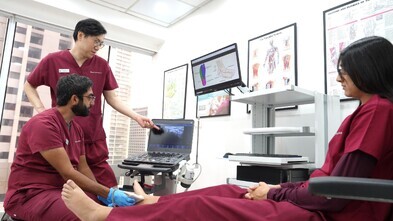
Plantar fasciitis is typically diagnosed through a physical examination and assessment of your symptoms, foot structure, and movement patterns. A podiatrist will evaluate the location of your heel pain and identify any contributing factors to determine the most appropriate treatment approach.

Medical History
Your podiatrist will review your symptoms, activity levels, lifestyle, and previous injuries that may contribute to plantar fasciitis.

Physical Examination
A physical assessment can identify areas of tenderness, pain patterns, and range of motion, such as passive dorsiflexion.

Diagnostic Ultrasound Assessment
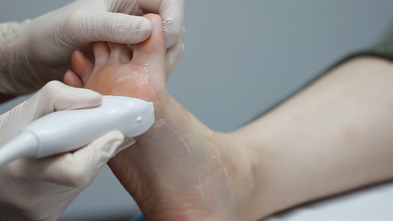
A diagnostic ultrasound can provide detailed images of the plantar fascia to assess its structure and signs of inflammation.

Biomechanical Assessment
A biomechanical evaluation may include a standing evaluation, a gait analysis, and a footwear assessment.

Imaging Tests
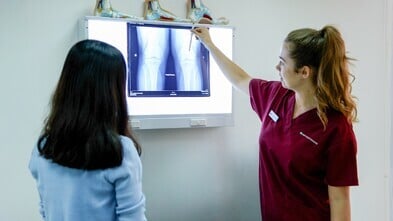
Imaging such as ultrasound or X-rays may be recommended in certain cases to assess the extent of the problem.
When Should You Seek a Podiatrist for Plantar Fasciitis?
.png?width=1200&height=675&name=Military-and-Law-Enforcement-Lower-Limb-Conditions-01%20(1).png)
You should consider seeing a podiatrist if your plantar fasciitis persists, worsens, or begins to interfere with your daily activities, walking, or exercise. Early assessment can help identify the underlying cause of your pain and provide appropriate treatment to support recovery and prevent the condition from becoming chronic.

Extracorporeal Shockwave Therapy (ESWT)
Shockwave therapy (ESWT) uses targeted sound waves to stimulate the body’s natural healing response in the affected tissues. It may help reduce pain associated with chronic plantar fasciitis, improve blood flow, and support recovery for patients who do not respond well to initial conservative treatments.

Super Inductive System (SIS)
The Super Inductive System (SIS) uses electromagnetic stimulation to target affected areas and support pain management, muscle activation, and tissue recovery. It may be used alongside other treatments to improve overall foot function and rehabilitation outcomes.

Manual Mobilisation and Targeted Exercises
Manual mobilisation techniques and targeted calf-stretching exercises aim to improve flexibility, joint mobility, and strength in the foot and lower limb. A podiatrist or physical therapist can create a personalised exercise programme that helps reduce strain on the plantar fascia, address contributing factors, and support long-term recovery.

Arch Taping and Orthotic Shoe Inserts
Arch taping and orthotic inserts provide temporary support to help improve foot alignment and reduce excessive stress on the plantar fascia. They may help relieve heel pain during walking, standing, or physical activities while allowing the foot to recover.

Customised Orthotic Insoles
Customised orthotic insoles are designed based on your individual foot structure, biomechanics, and movement patterns. They help redistribute pressure, improve foot support, and reduce excessive strain on the plantar fascia during daily activities.

Plantar Fasciitis Surgery Referral
Surgery is rarely required and is typically considered only when symptoms persist despite appropriate conservative therapy, such as recalcitrant plantar fasciitis or significant tissue changes. If clinically indicated, a podiatrist may refer patients for further assessment to determine whether surgical intervention is a suitable option.
Our Podiatrist Team
Meet Your Podiatrist
Experienced And Internationally Trained Podiatrists Ready To Provide The Best Care For You










Your Journey to Recovery
Your Plantar Fasciitis Treatment Journey

Book an Appointment
Schedule a consultation with our podiatrist.

Assessment & Diagnosis
We'll assess your condition and recommend further investigations if needed.

Personalised Treatment
Receive a tailored treatment plan to support healing.
Recovery & Prevention
We'll support your recovery and provide guidance to help prevent future issues.
Insurance Partners and Direct Billing
We work with a range of insurance providers and offer direct billing where applicable for a smoother healthcare experience.