


Metatarsalgia (Forefoot Pain) Causes, Symptoms, and Management
The Complete Guide to Forefoot Pain: Identifying Causes, Recognizing Symptoms, and Finding Effective Management
What Is Metatarsalgia Forefoot Pain?
Metatarsalgia refers to pain in the ball of the foot, specifically in the area near the metatarsal bones. This condition often results from increased pressure or stress on the forefoot, leading to inflammation, tenderness, and discomfort when walking or standing. It’s common in those who are active or wear improper footwear.
What Causes Forefoot Pain and Metatarsalgia
There are several possible causes behind forefoot pain. These include high-impact activity, poor foot mechanics, tight calf muscles, or improper footwear that fails to support the metatarsal area. Painful trigger points may also form due to tendon or ligament strain, affecting how pressure is distributed across the foot. Conditions such as bunions, hammertoes, or even issues from the ankle, knee or hip can worsen forefoot stress over time.
Recognising the Symptoms of Metatarsalgia
The hallmark symptom of metatarsalgia is pain in the ball of the foot that may feel sharp, aching, or burning. Discomfort typically worsens with walking, running, or standing for long periods. You might also experience inflammation, numbness, or a sensation of having a small stone in your shoe. Tenderness around the metatarsal bones is a key sign, especially if you press on the affected area.
Patients who have been diagnosed with certain chronic medical conditions, such as rheumatoid arthritis, gout, osteoarthritis and diabetes may also experience metatarsalgia as part of their condition. Aside from direct causes like injuries or trauma, other factors, such as age, occupation, being overweight and certain lifestyle choices may also put someone at a higher risk of developing metatarsalgia.
Common Symptoms
Pain accompanied by burning sensation

Aching across the forefoot
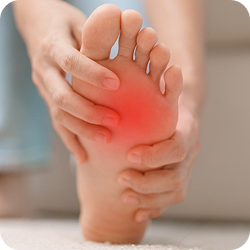
Pain on the sole of the foot especially on the ball of the foot nearer to the toes
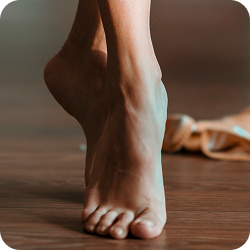
Pain increased when walking barefoot or on hard surfaces
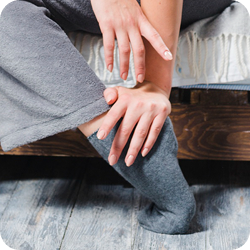
Pain relieved by resting or sitting

Numbness, burning or shooting pains when weight-bearing
Without proper management, metatarsalgia may cause pain to spread to other parts of the foot or other parts of the body, such as the hip, knee, and ankles. To avoid or compensate for this pain, patients adjust their walking patterns, causing limping or changes in their gait. In addition to impeding your lifestyle and daily activities, metatarsalgia can further develop into more severe conditions including some that are irreversible such as joint and toe deformity.
How Our Podiatry Clinic Diagnoses Forefoot Pain
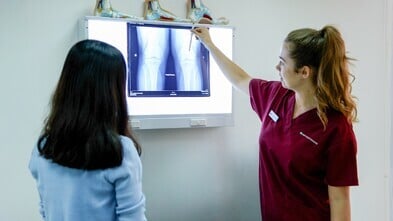
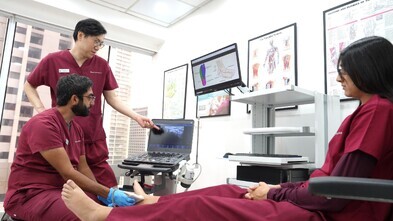
At our podiatry clinics in Singapore, we begin with a thorough assessment and review of your activity history, gait, and footwear. Our podiatrists perform a detailed physical examination of the forefoot, ankle, and lower leg to identify any underlying issues. Imaging such as X-rays may be recommended to assess bone structure or rule out other injuries. A proper diagnosis is key to selecting the right intervention. Options can include:
- Biomechanical and musculoskeletal assessment
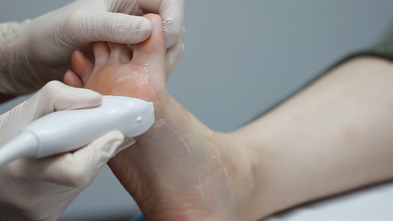
- Diagnostic ultrasound scan for a visual confirmation of the diagnosis; X-ray and MRI are rarely required
- Offloading of the area with casts, splints or custom orthotics
- Depending on the cause of metatarsalgia, podiatric interventions can involve the use of advanced technologies, such as ESWT to reduce stiffness and regenerate bone, and EMTT for nerve regeneration and stimulation
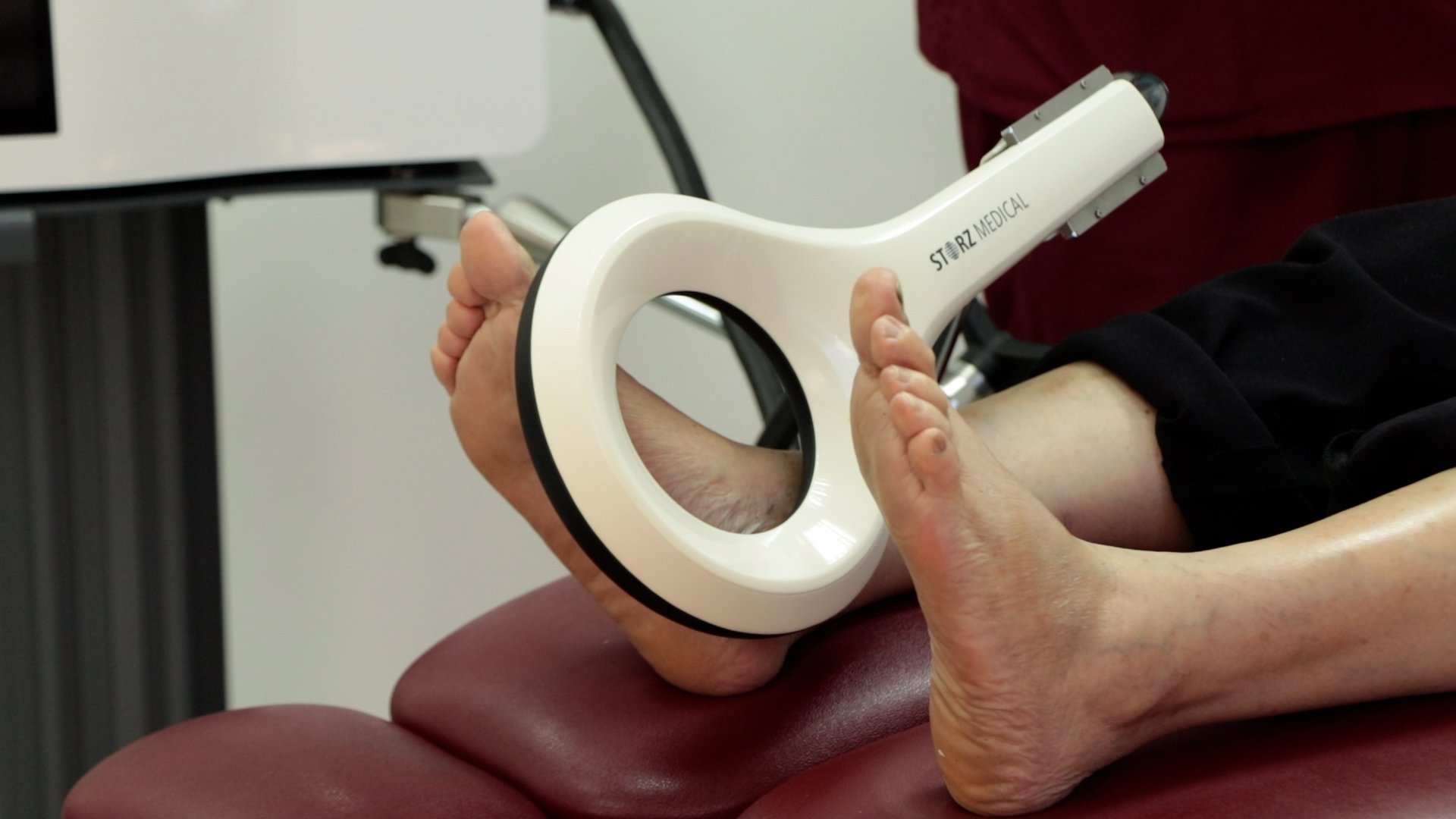
Advanced Podiatric Intervention Options
Depending on the severity of your condition, we may recommend shockwave therapy to address inflammation in the ball of the foot and stimulate soft tissue repair. Other options include footwear adjustments, prescription orthotics, and offloading pads to reduce pressure on the metatarsal area. In some cases, targeted exercises or Achilles and calf muscle management may be part of the therapy plan.
What to Expect During Your First Clinic Session
Depending on the severity of your condition, we may recommend shockwave therapy to address inflammation in the ball of the foot and stimulate soft tissue repair. Other options include footwear adjustments, prescription orthotics, and offloading pads to reduce pressure on the metatarsal area. In some cases, targeted exercises or Achilles and calf muscle management may be part of the therapy plan.
If you’re experiencing ongoing forefoot pain, it’s time to seek expert care. A consultation with our podiatry team can help explore the causes of your discomfort and outline a care plan that prioritises comfort and mobility. Don’t let pain in the ball of the foot limit your daily activities. Book a session with our podiatry practice today and get expert care for long-term relief.
Book an Appointment
Opening Hours
With five conveniently located clinics in Bukit Timah, Kembangan, Novena, and Orchard, we provide thorough reviews and personalised care methods to address a wide range of lower limb issues that you or your family members might face. From initial assessment to tailored care plans, we ensure that every step of your journey is handled with expertise and attention to detail.
Mon to Sat - 9am to 6pm, Sun & Public Holidays - Closed
We recommend that you schedule an appointment prior to visiting our clinics.
Orchard
302 Orchard Road
Tong Building #09-02 (Rolex Centre)
Singapore 238862
Tel: +(65) 6884 4123
Kembangan
18 Jalan Masjid
Kembangan Plaza #B1-02
Singapore 418944
Tel: +(65) 6848 5156
Novena
10 Sinaran Drive
Novena Medical Centre #08-13
Singapore 307506
Tel: +(65) 6235 2132
Bukit Timah
1 Fifth Avenue
Guthrie House #02-04
Singapore 268802
Tel: +(65) 6235 9080
Marine Parade
80 Marine Parade Rd
Parkway Parade #08-04
Singapore 449269
Tel: +(65) 6592 8082