

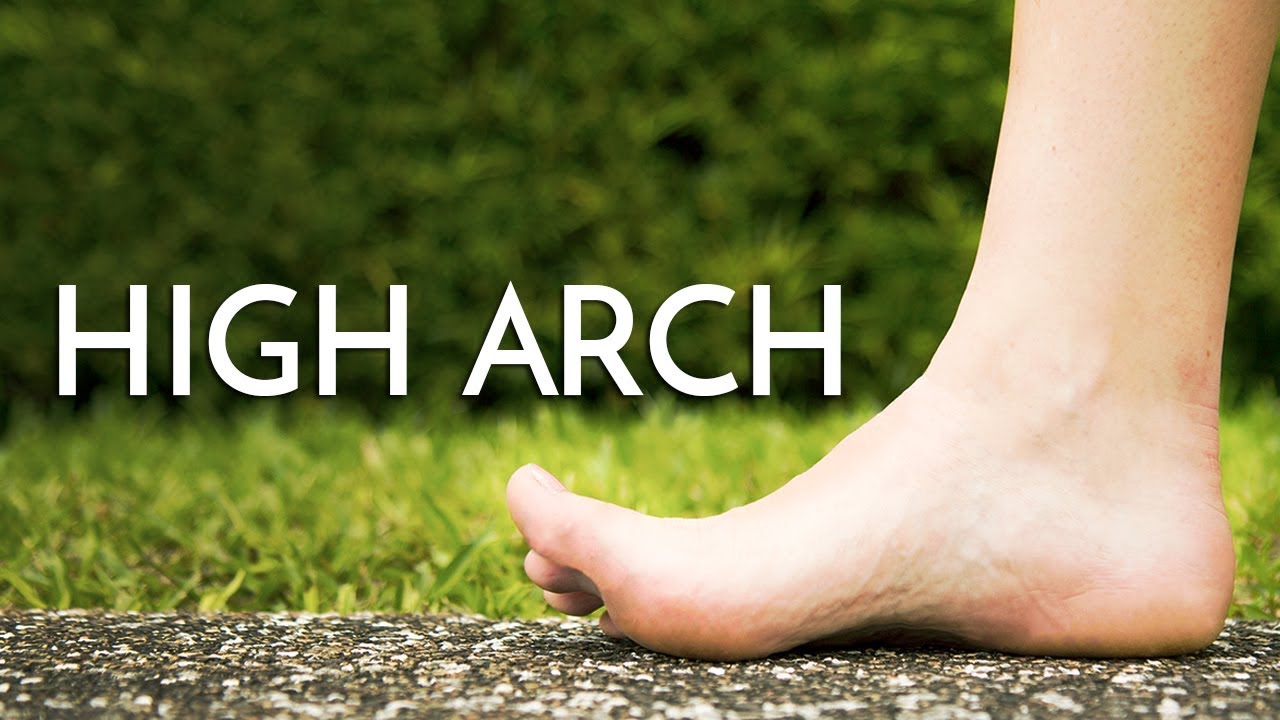
High-arch feet, also known as cavus feet, are characterised by weight placed towards the outer edge of the foot during movement. Individuals with high arches usually suffer from have poor shock absorption as most of their weight falls on the heel and ball of the foot, which can lead to a variety of painful foot conditions.
In most cases, a high arch is hereditary, but if the arch is excessively high or has fluctuations in height over a period, this can be suggestive of other underlying conditions. These include neurological conditions, cerebral palsy, polio, muscular dystrophy, and/or stroke, and are likely to negatively affect your arches over time.
Diagnosis
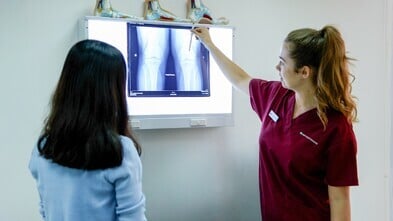
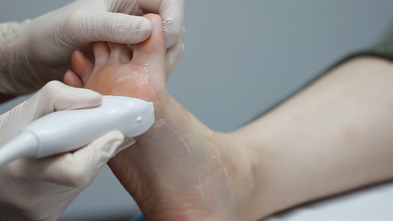
The diagnosis of a cavus foot involves a physical examination and musculoskeletal assessment. A podiatrist will observe your gait pattern and any indications of a high-arch foot, such as calluses on the outer aspect of the foot or the presence of hammertoes. X-rays and diagnostic imaging may also be required for angulation evaluation or to obtain an overview of any underlying injuries. Following this, an appropriate strategy will be formulated to rectify arch-caused injuries or as a form of management to prevent possible conditions in the future.
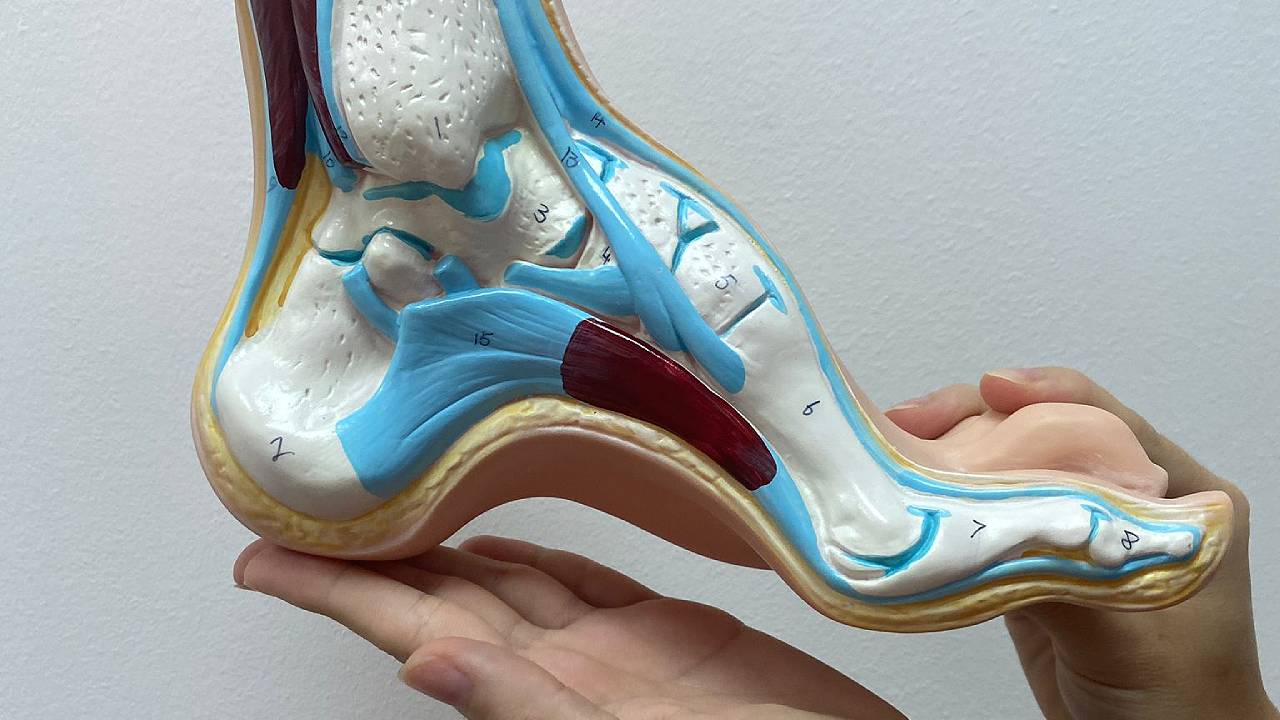
Prevention and Intervention
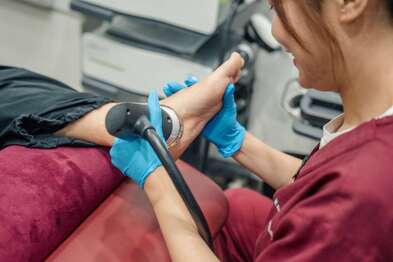
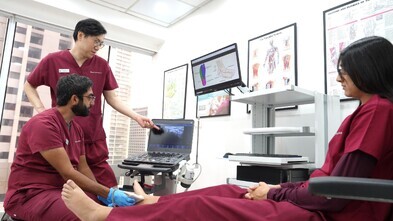
Having high-arched feet is not an immediate concern. However, if you experience pain or notice the onset of other conditions, it is important to see a podiatrist promptly. Podiatrists may utilise conservative methods such as Extracorporeal Shockwave Therapy (ESWT) or Super Inductive System (SIS) therapy to relax the affected tissues, improve blood flow, stimulate recovery and reduce pain. Individuals with high arches should monitor for significant fluctuations in arch height as this may indicate underlying neurological problems and will require further evaluation.
Preventative measures can be prescribed in the form of custom orthotic devices to reduce pain, pressure and increase stability across the foot. This helps to reduce the likelihood of probable future problems occurring, or offload body weight from already injured feet to prevent further deterioration.
If you or your child have high-arch feet and are experiencing any symptoms, it is important to see a foot specialist or podiatrist. A podiatrist can diagnose any underlying conditions and advise you the correct plan to prevent further foot problems. Early diagnosis is essential for preventing future complications.