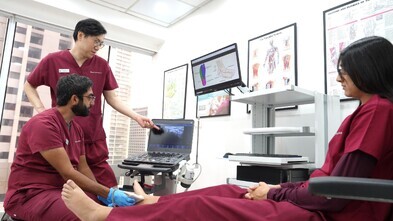
What is Podiatry and What is the Job of a Podiatrist?

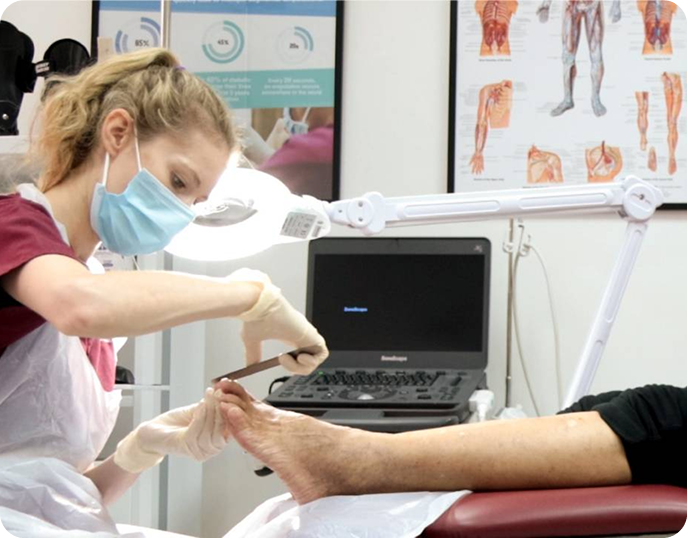
Podiatry is a specialised branch of healthcare that focuses on diagnosing, treating, and preventing issues related to the lower limbs, including the foot and ankle. A podiatrist’s role extends beyond management; they work to restore foot health and leg function, aiming to prevent complications that could lead to mobility loss. Their expertise is crucial for maintaining long-term lower limb health, which is essential for overall well-being.
In Singapore, podiatry is classified as an Allied Health profession and is available in both public and private healthcare institutions. Podiatrists primarily use non-invasive methods to manage conditions, focusing on conservative approaches. For severe cases, they collaborate with doctors and surgeons to provide rehabilitative care before and after surgery. This integrated approach ensures the best possible outcomes for patients, supporting them in regaining mobility and improving their quality of life.
Qualifications for Becoming a Podiatrist
The path to becoming a podiatrist varies worldwide, with different levels of training and specialisation. In many countries, podiatrists typically complete a three to four-year full-time bachelor’s degree, along with clinical training and hospital placements. For those seeking further expertise, postgraduate options like Master’s and PhD programmes are available, offering deeper specialisation.
In contrast, the United States requires podiatrists to earn the title of Doctor of Podiatric Medicine (D.P.M.), which involves completing an undergraduate degree, followed by a post-graduate degree in podiatric medicine and a multi-year surgical residency. This path qualifies them as both physicians and surgeons for foot and ankle care, with extensive training in surgery and medicine.
For prospective students, the UK offers podiatry programmes in 14 universities, while Australia has 10 institutions offering similar qualifications. If you are interested in pursuing a career in podiatry, feel free to contact us at careers@ecpc.sg to learn more.
Explore more details through the relevant registrars and societies below.
Relevant Registrars
and Societies
| Australian Health Practitioner Regulation Agency |
https://www.ahpra.gov.au/ |
| Australian Podiatry Association | https://www.podiatry.org.au/ |
| Singapore Allied Health Professions Council |
https://www.healthprofessionals.gov.sg/ahpc |
| Singapore The Association of Podiatric Medicine | https://apm.org.sg/ |
| UK Health Care Professions Council | http://www.hcpc-uk.org/ |
| UK Royal College of Podiatry | https://rcpod.org.uk/ |
When You Should See a Podiatrist
You should consult a podiatrist if you experience any concerns related to your feet or legs, especially if you’re dealing with pain or injury. Common issues treated by podiatrists include:
Podopaediatrics (Children’s Feet) Bunions and Toe Deformities Foot and Ankle Pain Foot Alignment Issues Flat Feet Sprains Knee Pain Plantar Fasciitis (Heel Pain) Achilles Tendonitis Fractures Lumps and Bumps on the Feet
- Podopaediatrics (Children’s Feet)
- Bunions and Toe Deformities
- Foot and Ankle Pain
- Foot Alignment Issues
- Flat Feet
- Sprains
- Knee Pain
- Plantar Fasciitis (Heel Pain)
- Achilles Tendonitis
- Fractures
- Lumps and Bumps on the Feet
- Inflammatory Related
- Toenail Conditions:
- Soft Tissue Conditions:
- Foot Corns & Calluses
- Athlete’s Foot (Foot Rot)
- Plantar Warts
Frequently Asked Questions
What does a podiatrist do?
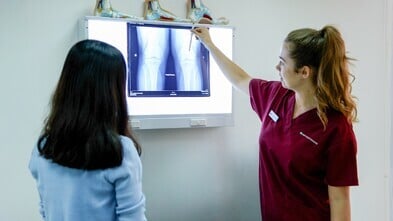
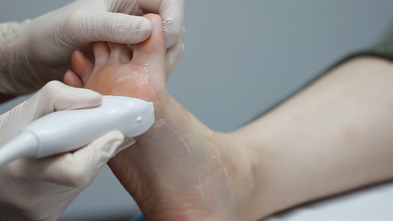
A podiatrist specialises in diagnosing and treating conditions of the lower limbs, including the feet, ankles, and knees. They conduct thorough physical exams, using diagnostic tests to identify issues that may affect mobility or function. Podiatrists treat patients of all ages and offer tailored care plans based on individual needs. During a consultation, they ask about your overall health, symptoms, footwear, and lifestyle activities that might impact your lower limbs. They often assess how you stand and walk, ensuring a comprehensive evaluation to provide the best care for improved mobility and comfort.
What conditions can a podiatrist treat?
Podiatrists are equipped to treat a variety of musculoskeletal conditions affecting the lower limbs. Common issues include bunions, heel pain, ankle pain, knee pain, sprains, and fractures. They also manage toenail conditions such as ingrown toenails and fungal infections, as well as soft tissue problems like corns and warts. Additionally, podiatrists address inflammatory conditions, including gout, that impact foot health. For tailored advice, consulting a podiatrist can provide insights specific to individual needs.
How do I know if I need to see a podiatrist?
You should see a podiatrist if you experience musculoskeletal issues such as pain or discomfort in your knees, lower legs, ankles, or feet, along with difficulty walking or injuries like sprains or fractures. Soft tissue concerns like corns, warts, or athlete’s foot also warrant attention, as do toenail issues such as recurring ingrown toenails, fungal infections, or trauma. Additionally, inflammatory conditions like gout that cause swelling or discomfort in your feet or ankles should be addressed by a podiatrist for proper care plan.
Can podiatrists perform surgery?
While podiatrists focus on non-invasive and conservative approaches, they are equipped to manage various soft tissue and nail-related surgical needs. These include minor surgeries such as the removal of corns, warts, and drainage of abscesses, often caused by infections from cuts or ingrown toenails. They also handle procedures like nail avulsion for ingrown toenails and draining subungual hematomas (blood under the toenail) caused by trauma. For complex bone or joint procedures, podiatrists may collaborate with other specialists to ensure optimal care.
What are some non-invasive and conservative options offered by podiatrists?
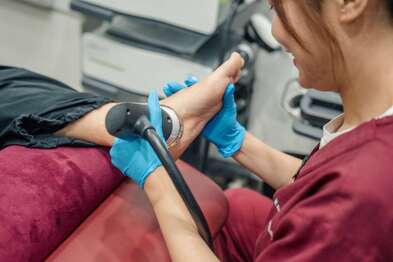
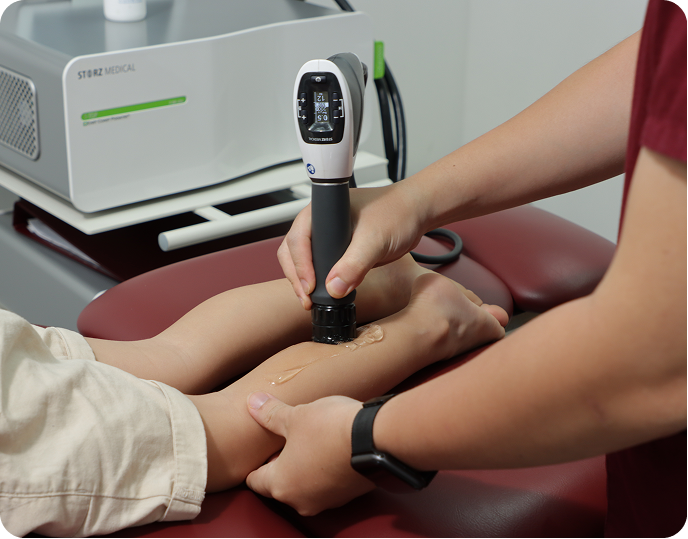
Podiatrists offer a variety of non-invasive options tailored to each patient’s specific condition. For example, custom foot orthotics provide support to the heel and arch, redistributing pressure. In cases requiring more advanced care, both Extracorporeal Shockwave Therapy (ESWT) and Extracorporeal Magnetotransduction Therapy (EMTT) are often used together to promote tissue healing and reduce pain. Additionally, physiotherapy exercises can improve flexibility and strength. For extra support, sports taping may be applied to reduce strain. Each approach is selected based on individual needs to ensure effective care.
Book an Appointment
Opening Hours
With five conveniently located clinics in Bukit Timah, Kembangan, Novena, and Orchard, we provide thorough reviews and personalised care methods to address a wide range of lower limb issues that you or your family members might face. From initial assessment to tailored care plans, we ensure that every step of your journey is handled with expertise and attention to detail.
Mon to Sat - 9am to 6pm, Sun & Public Holidays - Closed
We recommend that you schedule an appointment prior to visiting our clinics.
Orchard
302 Orchard Road
Tong Building #09-02 (Rolex Centre)
Singapore 238862
Tel: +(65) 6884 4123
Kembangan
18 Jalan Masjid
Kembangan Plaza #B1-02
Singapore 418944
Tel: +(65) 6848 5156
Novena
10 Sinaran Drive
Novena Medical Centre #08-13
Singapore 307506
Tel: +(65) 6235 2132
Bukit Timah
1 Fifth Avenue
Guthrie House #02-04
Singapore 268802
Tel: +(65) 6235 9080
Marine Parade
80 Marine Parade Rd
Parkway Parade #08-04
Singapore 449269
Tel: +(65) 6592 8082