

Skip to content

Achilles Tendonitis & Tendinopathy Care

s3aKbOcHyI0-SD

Understanding Achilles Tendinopathy in Singapore’s Active Population

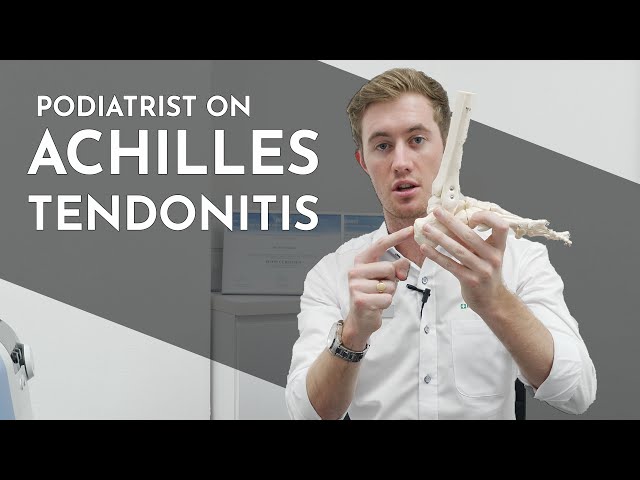
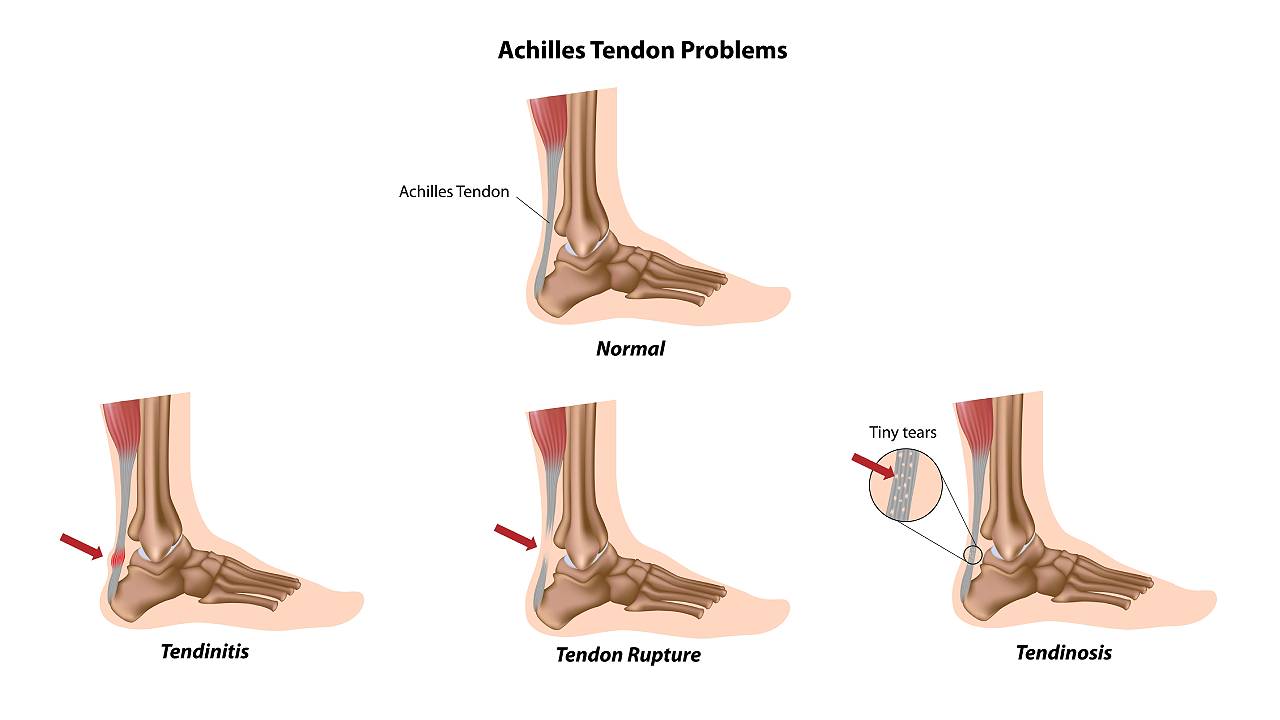
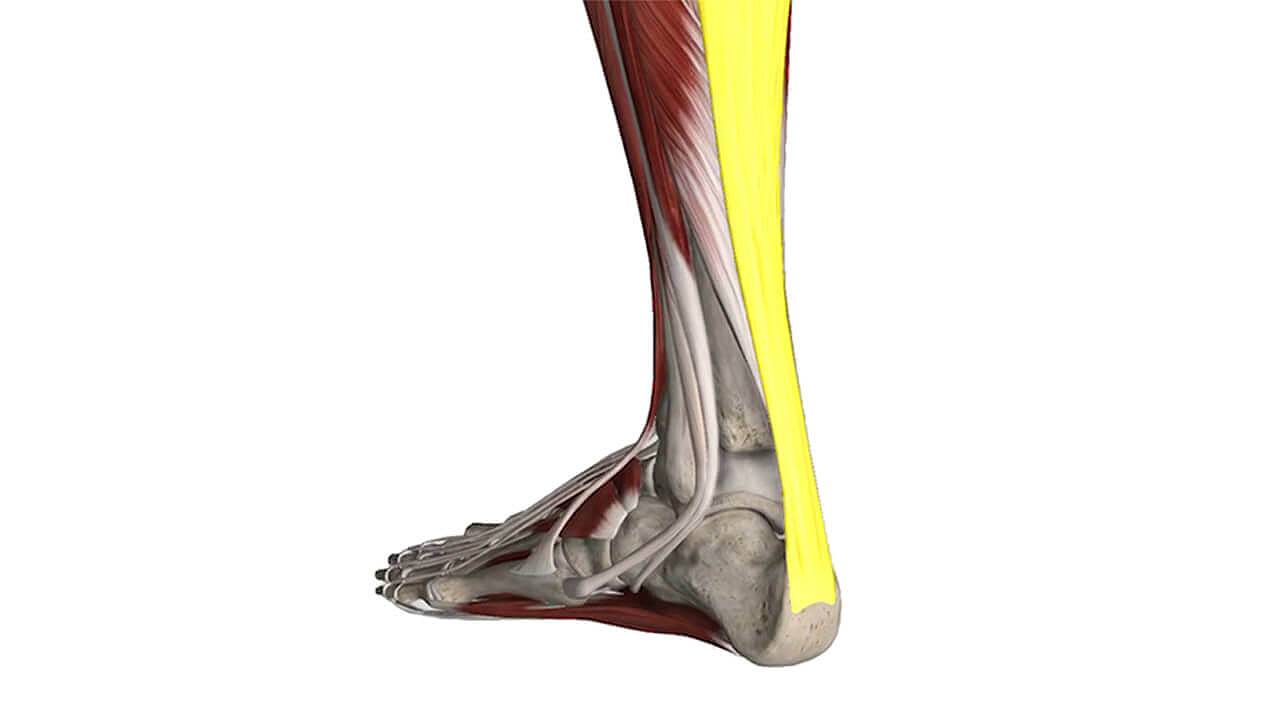
Tendons are thick, fibrous cords of connective tissue that connect muscles and bones to facilitate movement. The Achilles tendon, the strongest tendon in the body, is responsible for flexion of the knee and plantarflexion of the ankle joint for actions such as running, climbing, and jumping. Repetitive stress to this tendon can cause it to become inflamed and irritated, resulting in Achilles tendonitis. This type of inflammation of the tendon often involves tensile overload, especially at the mid-portion where strain on the tendon is typically greatest during propulsion and toe-off.

Achilles tendinopathy can occur if inflammation and microtrauma to the Achilles tendon does not heal properly, causing further damage to build up over time. The ensuing collagen degeneration and scar tissue formation reduces tendon flexibility, causing it to thicken, along with forming lumps within the region of scar tissue. Calcifications can develop at the insertion point of the Achilles into the calcaneus, and even extend into the tendon in chronic cases of Achilles tendinopathy. Further overuse or increase in intensity of physical activity without proper biomechanical alignment can cause the tendon to rupture or tear.

Symptoms of Achilles Tendonitis

  • Ache or sharp pain anywhere along the back of the tendon and posterior heel
  • Limited ankle flexibility
  • Redness or heat over the painful area
  • Mild to severe aching pain the day after exercising
  • Pain and stiffness along the tendon in the morning
  • Swelling at the injury site
  • Noticeable lump development at the posterior heel
Achilles-Tendon-Problems

Causes of Achilles Tendonitis

Achilles tendonitis is typically not related to a specific traumatic incident but results from repetitive stress to the tendon. This can be seen when individuals push their bodies too much and/or too soon, but other factors can also contribute to the injury. These factors are:

  • Leg length discrepancy
  • Overuse
  • Increasing the intensity of activity too quickly
  • Changing training surfaces too abruptly (soft to hard)
  • Inappropriate footwear
  • Too tight or fatigued muscles, especially in the calf, gastrocnemius, or soleus
  • Not stretching enough before activity
  • Deviated or unstable rearfoot axis
  • Underlying pes planus, which can affect gait biomechanics

Other contributing factors include obesity, age, and diabetes, which are known risk factors for musculoskeletal disorders like Achilles tendonitis. Individuals who participate in sports, such as basketball, running, and gymnastics, face a higher risk of Achilles tendon injuries due to high training load and repetitive strain. The tendon can experience stress loads of up to four times the body weight during walking and up to eight times when running.1

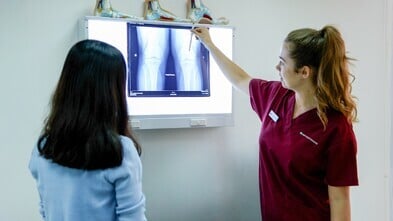
Continuous pressure on the lower limb must be reduced if signs of Achilles tendonitis or tendonopathy are present. Early intervention is vital, and it is important to fully assess the condition with the guidance of a podiatrist, especially to differentiate it from conditions such as patellar tendinopathy, iliotibial band irritation, or hip osteoarthritis. These overlapping pain presentations can reflect broader pain syndromes, including patellofemoral pain or impingement.

To prevent further damage to the tendon, please consult a podiatrist for advice or a second opinion from an orthopaedic or foot and ankle surgery team if your symptoms worsen or become recurrent.
teachers-days-2019-image-2

Managing Achilles Tendinopathy

  • Perform R.I.C.E (Rest, Ice, Compression, Elevation) for a new or minor injury.
    – Rest the injury by cutting back on daily activities, providing the required period of rest
    – Ice the injured site using an ice pack for 15 mins several times a day to reduce the pain
    – Compression can be performed using an elastic wrap or bandage
    – Elevate the affected limb to reduce the swelling
  • Perform eccentric stretching of the calf muscles daily, once the acute pain and inflammation has abated
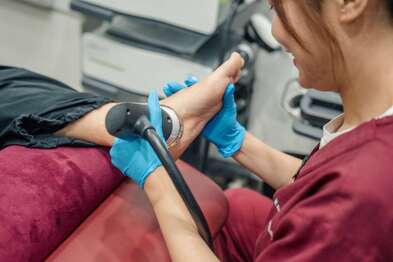
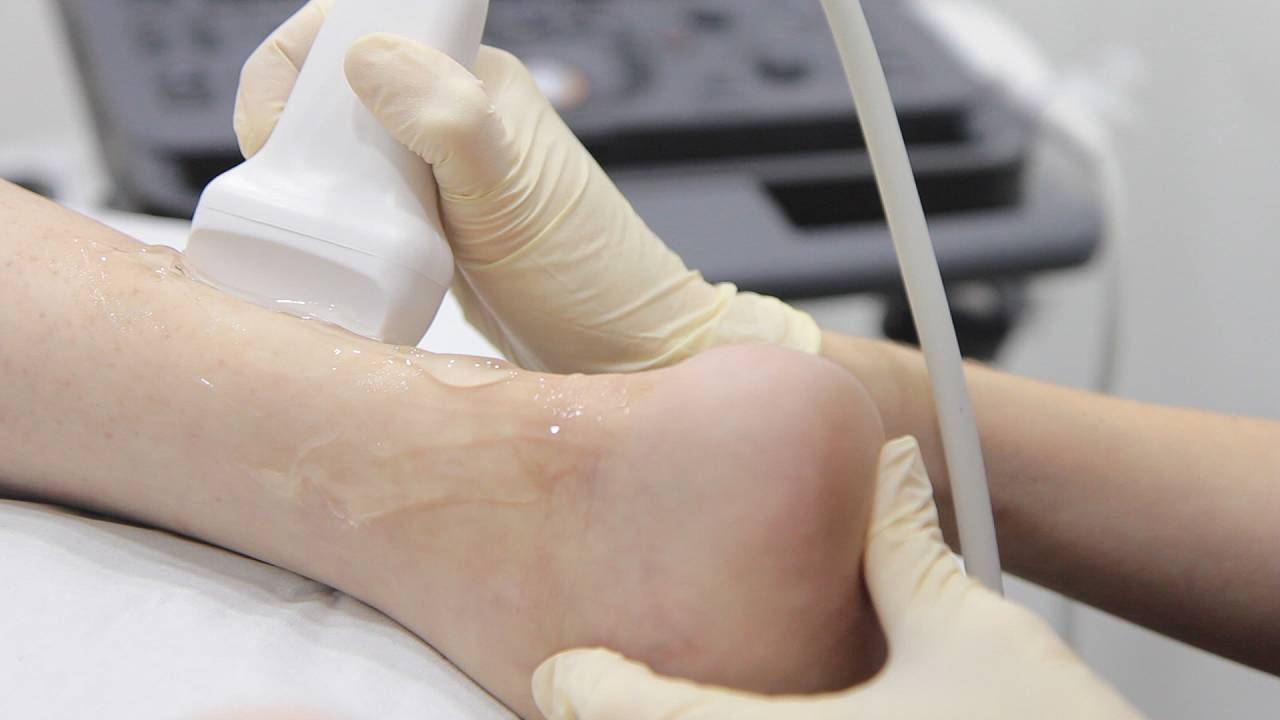
  • Extracorporeal Magnetotransduction Therapy (EMTT) or Extracorporeal Shockwave Therapy (ESWT) may be used to enhance circulation, stimulate healing, and provide pain relief. These therapies are part of modern sports medicine and are considered minimally invasive.
  • In persistent cases, autologous regenerative care may be considered in conjunction with injection-based or intra-articular options, although this is often guided by an orthopaedics consultation.
  • Customised foot orthotics can correct biomechanical misalignment, reduce tension during gait, and optimise joint movements such as plantarflexion. Proper orthotics support the ankle joint and help reduce stress during toe-off.
  • If needed, immobilisation using a walking boot or an ankle foot orthotic splint can reduce strain and allow tissue recovery, especially when the patient is able to walk with reduced pressure.

How Do I Prevent Achilles Tendonitis?
achilles-tendonitis-treatment
  • Choose appropriate footwear for specific activities to support the plantar surface and heel alignment
  • Perform warm-up and cool-down exercises to reduce strain on the tendon during physical activity
  • Maintain flexibility and a healthy range of motion with regular stretching
  • Monitor and adjust your exercise prescription and avoid increasing training load too rapidly
  • Be mindful of terrain changes and surface conditions to minimise biomechanical disruption

If your condition is recurrent or deteriorating, conservative care like physical therapy should be initiated early. With professional advice, non-surgical care can be tailored to reduce the risk of further degeneration and tendon tear, while improving propulsion and overall performance.

Frequently Asked Questions

What is the fastest way to heal Achilles Tendonitis?

Non-invasive interventions, such as shockwave therapy, can help hasten recovery from Achilles tendonitis. Home remedies, such as the R-I-C-E, can help reduce pain, but they will not address the underlying issue.

Is walking good for Achilles tendonitis?

Walking may worsen your Achilles tendonitis condition. Instead, try stretching or other forms of exercise that minimise putting weight on your feet.

Can footwear choices cause or affect Achilles tendonitis?

Yes, improper and ill-fitting footwear can cause Achilles tendonitis by providing inadequate support or affecting the biomechanics and function of your tendons. Speak to a podiatrist for professional advice on footwear if you are currently experiencing any pain.

Does Achilles tendonitis cause footwear to wear out quickly?

Achilles tendonitis often results in a prominent lump at the back of the heel. This lump can cause friction along the soft material at the back of the shoe, causing it to wear out quickly. When shoes are worn out, they need to be replaced as they no longer offer optimal support.

What happens if Achilles tendonitis is ignored?

If left unresolved, it will likely worsen and wind up being a chronic issue. In severe cases, the tendon may rupture, making surgery the only option. Early intervention can help prevent the condition from deteriorating and improve your chances of a full recovery. Do speak to a podiatrist for advice.

Is it possible to ‘run through’ the pain?

It is not advisable to carry on as normal and ignore the pain in your Achilles tendon. Patients frequently only experience pain in the early parts of their run and may think it is possible to run past or through the pain. This will only worsen the injury and cause the situation to develop into a chronic issue. To prevent this, do seek early intervention from a local podiatrist.

Media

Book an Appointment

Opening Hours

With five conveniently located clinics in Bukit Timah, Kembangan, Novena, and Orchard, we provide thorough reviews and personalised care methods to address a wide range of lower limb issues that you or your family members might face. From initial assessment to tailored care plans, we ensure that every step of your journey is handled with expertise and attention to detail.

Mon to Sat - 9am to 6pm, Sun & Public Holidays - Closed

We recommend that you schedule an appointment prior to visiting our clinics.

Orchard

302 Orchard Road
Tong Building #09-02 (Rolex Centre)
Singapore 238862
Tel: +(65) 6884 4123

Kembangan

18 Jalan Masjid
Kembangan Plaza #B1-02
Singapore 418944
Tel: +(65) 6848 5156

Novena

10 Sinaran Drive
Novena Medical Centre #08-13
Singapore 307506
Tel: +(65) 6235 2132

Bukit Timah

1 Fifth Avenue
Guthrie House #02-04
Singapore 268802
Tel: +(65) 6235 9080

Marine Parade

80 Marine Parade Rd
Parkway Parade #08-04
Singapore 449269
Tel: +(65) 6592 8082