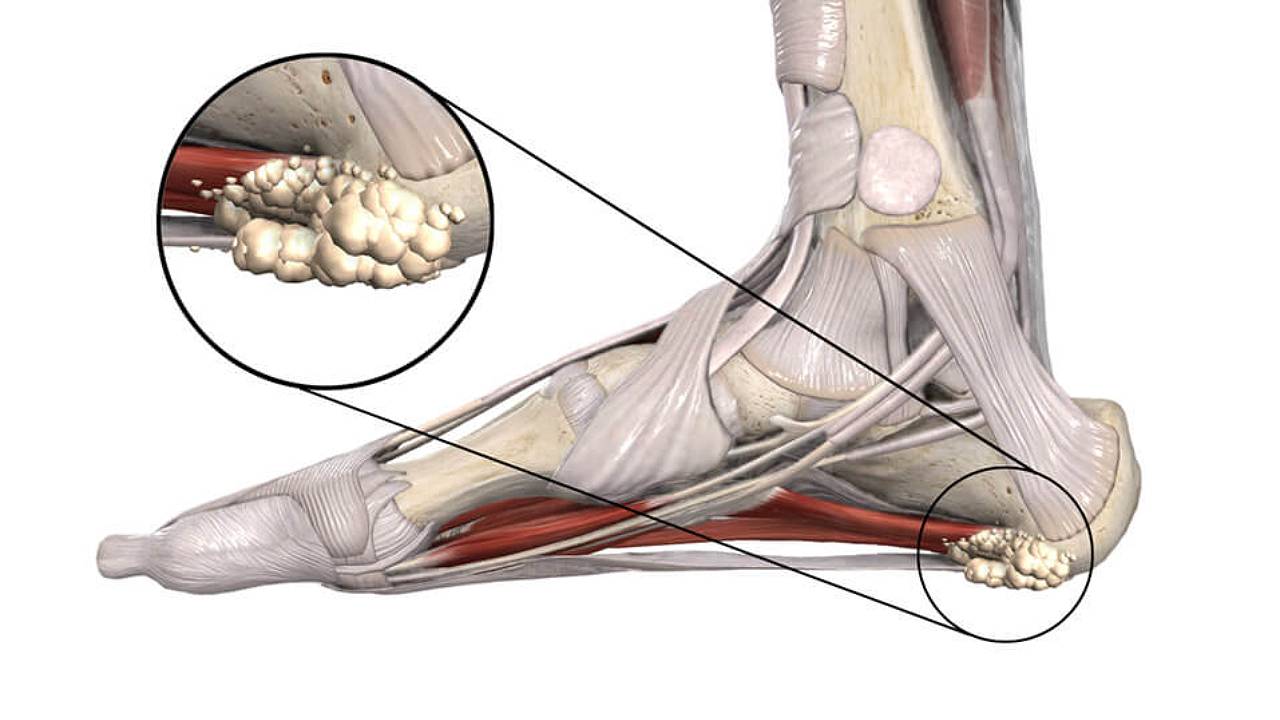
Heel spur syndrome occurs when the plantar fascia and the calcaneus come under tensile stress, causing a reactive bone formation. This bony protrusion on the bottom of the heel that grows towards the plantar fascia often forms a hook-like shape and is medically diagnosed as a “calcaneal spur”, or more commonly known as a “heel spur”.
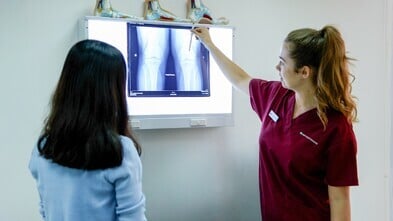
Heel spurs are not uncommon but only 5% of people with this condition report having pain in the heel.1 As a result, heel spurs can grow undetected until an X-ray of the area is performed. Before the presence of heel spurs is confirmed via X-ray, the condition may be termed as heel spur syndrome.
This lack of pain is why heel spurs are often associated with Plantar Fasciitis, another kind of heel pain, because an injured plantar fascia is usually the cause of discomfort in both conditions.
Symptoms
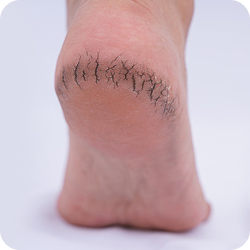
Sharp and stabbing pain like a knife in the heel

Dull aching in the heel upon the first step in the morning
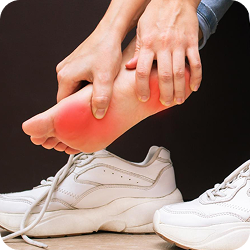
Pain during prolonged periods of standing
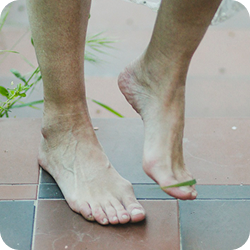
Difficulty walking barefoot
Risk Factors
Even though the main cause of heel spur syndrome is stress on the plantar fascia and calcaneus, multiple risk factors that can increase your chances for it include:

Flat feet

Obesity

Pregnancy

Hypermobility

Unsupportive footwear

Increase in physical activity
Pain Management
The following home remedies can be useful for pain relief and inflammation management, but take care to note that these are only temporary solutions and do not address the root cause of pain.
- Icing the affected heel
- Slow stretching of the calves and feet
- Over-the-counter/prescription painkillers
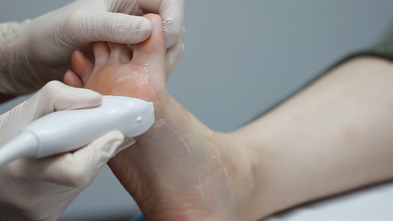
If the pain persists or you feel that it is becoming chronic, it is important to see a podiatrist. A podiatrist can accurately diagnose and manage heel spur syndrome using a variety of diagnostic tools and conservative solution options. These include but are not limited to:
- Shockwave therapy
- Super Inductive therapy
- Sports taping
- Stretching exercises
- Customised orthotics
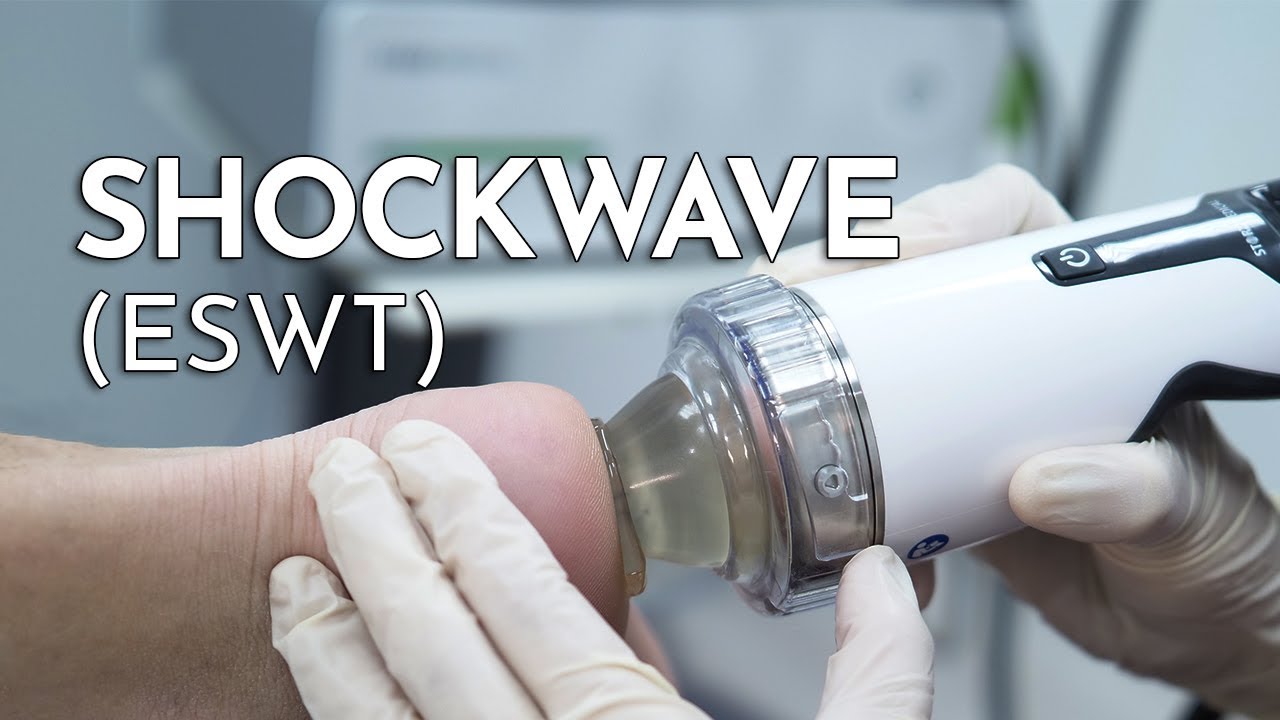
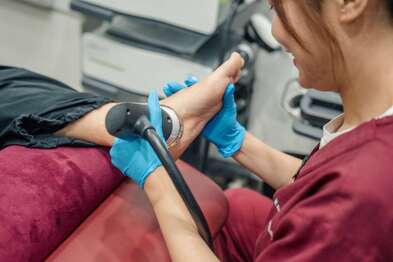
Recurrent pain caused by heel spurs carries a risk of worsening and limiting patients’ mobility. As with any bone in the body, heel spurs can fracture or avulse, and are especially common in cases of plantar fascia tears and ruptures. To prevent this, your podiatrist can perform highly focused extracorporeal shockwave therapy (ESWT) to break down mild to moderate calcifications within the foot and ankle. This serves to effectively reduce pain and inflammation, as well as stop any further deterioration.