
Skip to content

Struggling with Knee Pain That Won’t Go Away?

Knee pain can start as a minor discomfort but gradually interfere with your daily life, whether it’s walking, exercising, or even standing for extended periods. Many people delay getting help, assuming it will resolve on its own. However, untreated knee pain often worsens over time and may lead to chronic instability, reduced mobility, or compensatory injuries in the hips and ankles.

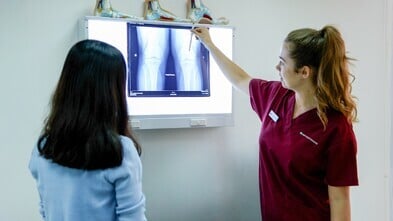
At East Coast Podiatry, we focus on identifying why your knee pain is happening, not just where it hurts. Our podiatrists assess your gait, foot mechanics, and lower limb alignment to uncover hidden causes such as overpronation, muscle imbalances, or joint stress.


With targeted, personalised care plans, we help you:
  • Reduce pain and inflammation
  • Restore proper movement patterns
  • Prevent recurring knee issues
Chronic Knee Pain Management: Causes, Symptoms & Podiatry Solutions

Symptoms of Knee Pain

Knee pain symptoms vary depending on the underlying cause but commonly include:

  • Persistent or intermittent pain
  • Swelling, warmth, or inflammation
  • Stiffness or reduced range of motion
  • Clicking, popping, or grinding sensations
  • Knee instability or “giving way”
  • Pain when walking, climbing stairs, or squatting
  • Difficulty bearing weight

If your symptoms persist or worsen, early assessment can prevent long-term complications.

Types of Knee Pain

Knee pain can arise from a wide range of conditions, including:

  • Ligament injuries (ACL, sprains)
  • Knee Fracture
  • Meniscus tears
  • Patellar tendonitis (jumper’s knee)
  • Iliotibial band syndrome (IT band pain)
  • Osteoarthritis and degenerative conditions
  • Runner’s knee (patellofemoral pain syndrome)
  • Knee bursitis and inflammation
  • Alignment-related pain linked to foot posture

Each condition requires a different approach in management, which is why accurate diagnosis is essential.

Common Causes of Knee Pain

Knee pain is often linked to underlying biomechanical and lifestyle factors rather than a single isolated issue. Understanding these causes is key to effective, long-term recovery.

Common causes include:

  • Poor Foot Mechanics (e.g. flat feet, overpronation)
  • Muscle Imbalances (weak glutes, tight quadriceps or calves)
  • Repetitive Stress from Sports or Occupation
  • Sudden Twisting or Impact Injuries
  • Age-Related Degeneration (e.g. cartilage wear)
  • Prolonged Sitting or Standing
  • Improper Footwear or Lack of Support
  • Excess Load on the Knee Joint (body weight, activity load)

In many cases, knee pain originates from how forces are distributed through your lower limbs, making proper assessment essential.

Knee Pain Causes, Symptoms, and Management

Knee Pain Therapy Options at East Coast Podiatry

We provide non-surgical, evidence-based therapies tailored to your specific condition and lifestyle.

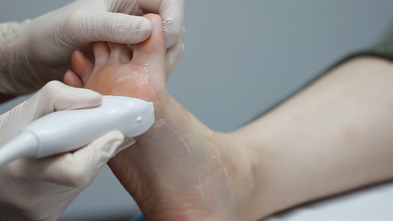
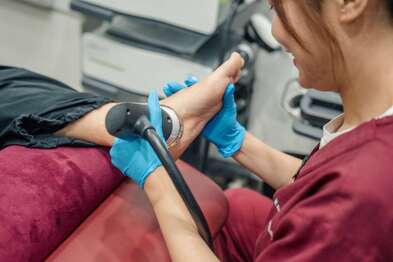
Extracorporeal Shockwave Therapy (ESWT) A clinically proven treatment that stimulates healing in damaged tissues, reduces pain, and improves mobility—commonly used for chronic knee conditions.
Extracorporeal Magnetotransduction Therapy (EMTT) Advanced electromagnetic therapy designed to accelerate tissue repair and reduce inflammation at a cellular level.
Targeted Rehabilitation & Exercise Therapy Customised strengthening and mobility programmes to stabilise the knee joint, improve alignment, and prevent recurrence.
Custom Orthotics (When Required) Prescription orthotic devices may be recommended to correct abnormal foot mechanics and reduce stress on the knee.


Book an appointment and let our dedicated team guide you towards healthier, pain-free knees.

Why Choose East Coast Podiatry for Your Knee Pain?

  • Specialised Lower Limb Expertise – Focused care on foot, ankle, and knee biomechanics
  • Internationally Trained Podiatrists – Licensed in the UK, USA, and Australia
  • Advanced Diagnostic Approach – Gait analysis and movement assessment
  • Personalised Treatment Plans – Tailored to your lifestyle and activity level
  • Non-Surgical, Evidence-Based Care
  • Custom Orthotic Solutions with Long-Term Support
  • Trusted by more than 36,000+ patients
  • 4.9 stars Google reviews
Clinical-Safety

Know More About Knee Pain Management

Chronic Knee Pain management
Patient Testimonial - How Podiatry Help Me with My Knee Pain - Chef Kurt Sombero
Patient Testimonial - How Podiatry Help Me with My Knee Pain - Eva Lee
Age related Knee Pain

Knee Pain Management

Effective knee pain management focuses on relieving symptoms while addressing underlying causes such as poor alignment, overuse, or muscle imbalance. Common approaches include:

  • Rest and Ice: Resting the knee and applying ice helps reduce inflammation and alleviate pain, particularly for overuse injuries.
  • Anti-inflammatory Medication: Nonsteroidal Anti-inflammatory Drugs (NSAIDs) help reduce swelling and provide pain relief.
  • Change of Pace: Temporarily avoiding activities that worsen knee pain helps reduce strain and allows the joint to recover. Switch to low impact activities like swimming or cycling. 
  • Supportive solutions: Custom orthotics or knee braces can improve biomechanics and reduce strain on the joint.

For persistent conditions such as runner’s knee, patellar tendonitis, or early osteoarthritis, advanced non-invasive treatments like shockwave therapy (ESWT) and magnetotransduction therapy (EMTT) can help stimulate healing and reduce pain.

Preventing knee pain is equally important. Maintaining a healthy weight, strengthening the quadriceps and surrounding muscles, and improving flexibility through proper warm-ups and stretching can reduce injury risk. Wearing supportive footwear and addressing early symptoms promptly can also help prevent chronic knee problems and long-term joint damage.

Meet the Podiatrist Team

Experienced & Internationally Trained Podiatrists Ready To Serve

Georgina-Callaghan
British Podiatrist
Georgina Callaghan
Senior Podiatrist
BSc (Hons) Podiatry
Michael Lai, DPM
US
Dr. Michael Lai
Clinical Director
Doctor of Podiatric Medicine, USA
Maria-Salus
Polish Podiatrist
Maria Salus
Senior Podiatrist
BSc (Hons) Podiatry
Peggy-Tian
Australian Podiatrist
Dr. Peggy Tian
Senior Podiatrist
DPM | BSc
Jordan-Williams
British Podiatrist
Jordan Williams
Podiatrist
BSc (Hons) Podiatry
Yasin-Rashid
British Podiatrist
Yasin Rashid
Podiatrist
BSc (Hons) Podiatry | PGCE
Gayatri-Ramesh
Singapore Podiatrist
Gayatri Ramesh
Podiatrist

BSc | MSc Podiatric Medicine

Book an Appointment

Opening Hours

With five conveniently located clinics in Bukit Timah, Kembangan, Novena, and Orchard & Marine Parade, we provide thorough reviews and personalised care methods to address a wide range of lower limb issues that you or your family members might face. From initial assessment to tailored care plans, we ensure that every step of your journey is handled with expertise and attention to detail.

Mon to Sat - 9am to 6pm, Sun & Public Holidays - Closed

We recommend that you schedule an appointment prior to visiting our clinics.

Orchard

302 Orchard Road
Tong Building #09-02 (Rolex Centre)
Singapore 238862
Tel: +(65) 6884 4123

View In Google Map

Kembangan

18 Jalan Masjid
Kembangan Plaza #B1-02
Singapore 418944
Tel: +(65) 6848 5156

View In Google Map

Novena

10 Sinaran Drive
Novena Medical Centre #08-13
Singapore 307506
Tel: +(65) 6235 2132

View In Google Map

Bukit Timah

1 Fifth Avenue
Guthrie House #02-04
Singapore 268802
Tel: +(65) 6235 9080

View In Google Map

Marine Parade

80 Marine Parade Rd
Parkway Parade #08-04
Singapore 449269
Tel: +(65) 6592 8082

View In Google Map

Frequently Asked Questions About Knee Pain

What causes knee pain?

Knee pain can result from injuries (ligament tears, meniscus injuries), overuse conditions (tendonitis, bursitis), or degenerative issues like osteoarthritis. It may also be linked to poor biomechanics, flat feet, inflammatory conditions such as gout or rheumatoid arthritis, and excess body weight placing strain on the joint. Identifying the underlying cause is key to achieving effective knee pain relief and long-term improvement.

Who is more likely to develop knee pain?

Knee pain can affect anyone, but higher-risk groups include athletes involved in running or jumping, older adults with age-related joint wear, and individuals with conditions such as arthritis or flat feet. Hormonal changes, particularly in menopausal women, may also increase joint stress and inflammation. Poor movement patterns and weak supporting muscles can further raise the risk.

Is jumping bad for your knees?

Jumping is not inherently harmful, but repeated high-impact activities can strain the knees—especially with poor technique or inadequate muscle support. Other contributors include running on hard surfaces, improper squatting form, excess body weight, and unsupportive footwear. Managing load and maintaining proper form can help reduce the risk of knee pain.

Will knee pain go away with painkillers alone?

Medications such as NSAIDs may provide temporary knee pain relief by reducing inflammation, but they do not address the root cause. Without correcting issues like poor alignment, muscle weakness, or joint degeneration, pain is likely to return. A comprehensive approach is more effective for lasting results.

How do podiatrists help with knee pain?

Podiatrists focus on correcting lower limb mechanics to reduce stress on the knee. Care options may include:

  • Custom foot orthotics to improve alignment and reduce joint load
  • Shockwave therapy to promote healing and ease chronic pain
  • Magnetotransduction therapy to support tissue repair and reduce inflammation
  • Targeted strengthening and stretching exercises to stabilise the knee

This approach focuses on addressing the root cause of knee pain for sustainable improvement.

When should I see a podiatrist for knee pain?

You should seek professional care if knee pain persists for more than a few days, worsens with activity, or affects your walking and daily function. Early assessment helps prevent minor issues from developing into more persistent problems.

Can flat feet cause knee pain?

Yes. Flat feet can alter lower limb alignment, causing the knees to rotate inward and increasing stress on the joint. Over time, this can lead to knee pain, especially during walking, running, or prolonged standing.

What is the fastest way to relieve knee pain?

Short-term relief may include rest, ice, compression, and elevation (RICE), along with anti-inflammatory medication if appropriate. For longer-lasting results, it’s important to identify and correct underlying factors such as biomechanical issues or muscle imbalances.

Can knee pain be prevented?

Many cases of knee pain can be prevented by maintaining a healthy weight, strengthening the muscles around the knee, wearing supportive footwear, and avoiding sudden increases in activity intensity. Addressing foot alignment issues early can also reduce long-term risk.

Do I need surgery for knee pain?

Most knee pain cases do not require surgery and can be managed with conservative approaches such as orthotics, guided exercises, and non-invasive therapies. Surgery is typically considered only in severe cases where other options have not been effective.