

Rheumatoid Arthritis (RA)
What Is Rheumatoid Arthritis?
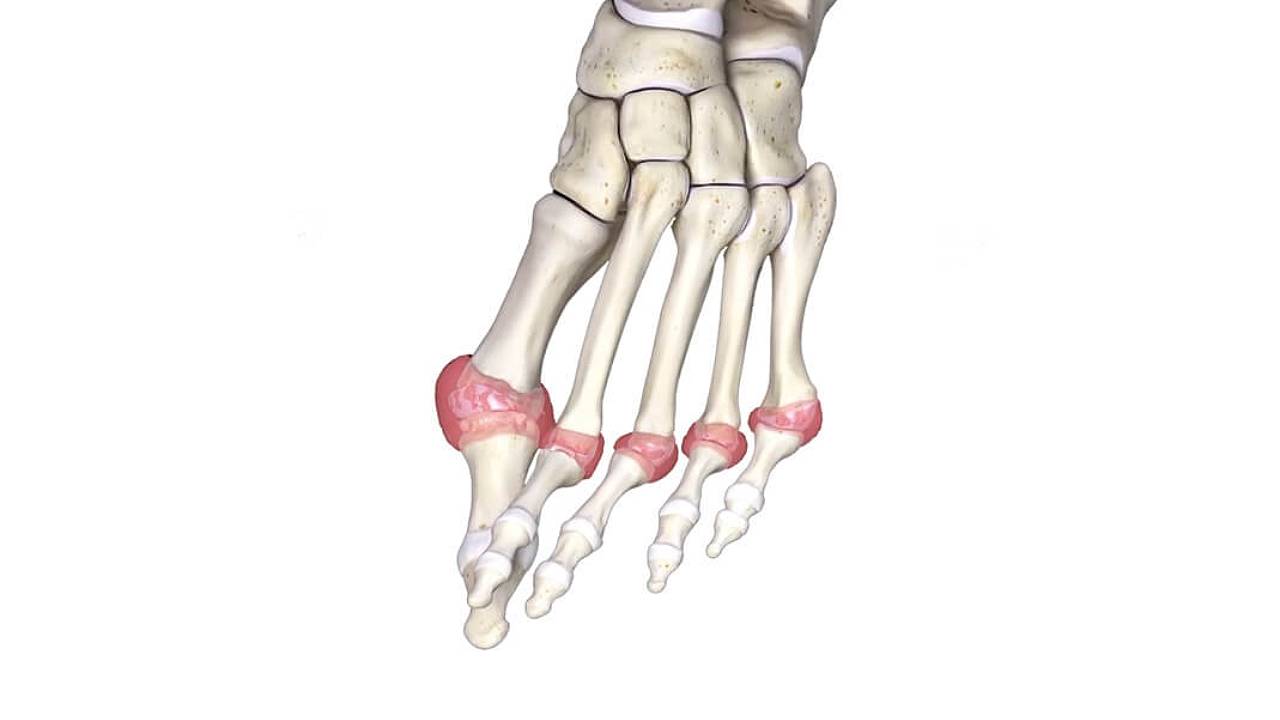
Rheumatoid arthritis (RA) is an inflammatory auto-immune condition that causes the body to attack the joints involuntarily. Unlike osteoarthritis, which happens with the onset of age, RA affects people of all ages, including children who can develop juvenile RA. The development of joint deformities can be swift, aggressive, and irreversible if early intervention is not taken. This can affect mobility and quality of life, leading to deformity or potential disability.
Unlike wear-and-tear conditions like osteoarthritis, RA can affect joints on both sides of the body. It commonly involves the hands, knees, and feet, though joints and surrounding structures across the body may also be affected. In fact, over 90% of people with RA develop symptoms in the foot and ankle.1 Those suffering from rheumatoid arthritis may also experience fatigue, malaise, and low-grade fever, especially during flare-ups.
Although there is no known cure for rheumatoid arthritis, early diagnosis and the right care plan can help reduce inflammation, preserve joint function, and improve quality of life. At our clinic in Singapore, we help patients understand the disease and explore options for relief.
Causes of Rheumatoid Arthritis
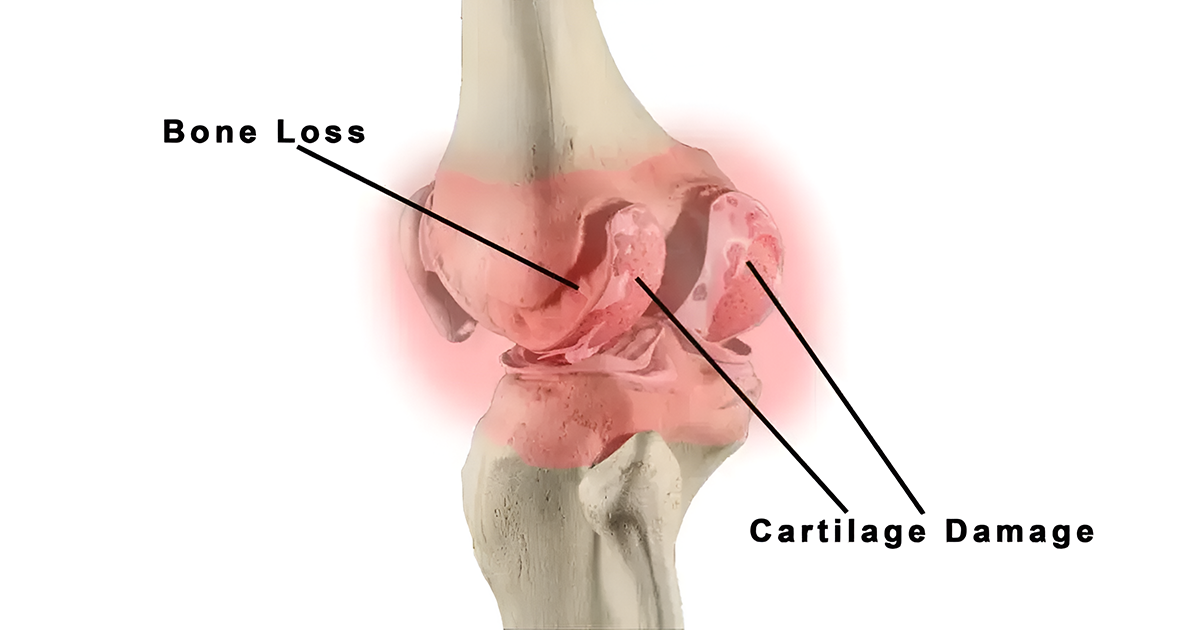
The exact cause of rheumatoid arthritis is not fully understood. However, it is believed to be triggered by a combination of genetic, hormonal, and environmental factors. These factors may activate the immune system, leading to inflammation and damage to bone and cartilage.
Certain individuals carry antibodies such as rheumatoid factor (RF) or anti-CCP, which may increase the risk of developing RA. While not all patients with RA test positive for these markers, their presence may assist in diagnosis. Environmental factors such as smoking, along with hormonal changes, may also increase the risk of onset. Women are times more likely to develop the condition than men.
Because RA is a chronic autoimmune condition, the immune system attacking healthy tissues can lead to lasting damage if left unaddressed.
What Are the Symptoms of Rheumatoid Arthritis?
Symptoms of rheumatoid arthritis may vary depending on the individual and the stage of disease. Symptoms include:
- Pain and stiffness in the affected joints
- Joint inflammation and pain and swelling, especially in the morning
- Warmth and redness around the joints
- Stiffness lasting more than 30 minutes upon waking
- Fatigue, malaise, or general discomfort
- In more severe cases, ligament involvement and joint deformities
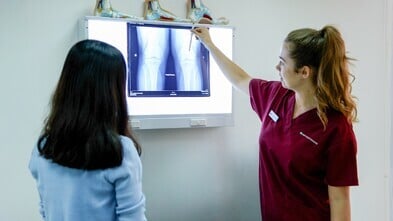
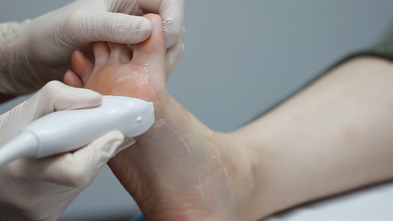
These symptoms can progress over time, making it difficult to carry out daily activities. A physical examination and review of your medical history are essential steps for diagnosis. Imaging tools such as X-rays, MRIs, and ultrasounds may be used to assess joint damage and monitor disease progression.
How Is Rheumatoid Arthritis Diagnosed?
RA is diagnosed using a combination of clinical evaluations, imaging, and laboratory tests. Your rheumatologist or physiotherapist may perform a detailed physical examination, assess your symptoms, and request blood tests for markers such as RF and anti-CCP antibodies.
X-ray and other imaging techniques are used to detect joint erosion, changes to the synovium, and damage to the cartilage and bone. Accurate and timely diagnosis is crucial to help patients avoid long-term complications.
Treatment of Rheumatoid Arthritis in Singapore
The treatment of rheumatoid arthritis aims to reduce symptoms, control joint inflammation, and prevent further joint damage. Pharmacological options offered at affiliated rheumatology centres may include:
- NSAIDs (non-steroidal anti-inflammatory drugs) for short-term pain and inflammation
- DMARDs (disease-modifying antirheumatic drugs) such as methotrexate, leflunomide, and hydroxychloroquine to control disease progression
- Biologic agents, a newer class of targeted drugs that inhibit cytokines like tumour necrosis factor (TNF), may be used when conventional DMARDs are not effective
- Inhibitor therapies aimed at controlling immune system causing inflammation
For severe or advanced cases, orthopaedic surgery may be necessary to restore joint function or replace severely damaged joints.
Complementary approaches like acupuncture, regular exercise, and therapy under the guidance of a physiotherapist may also be part of your care plan.
Managing Rheumatoid Arthritis at Our Singapore Clinic
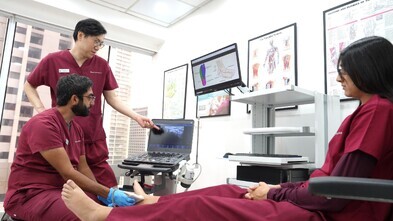
At East Coast Podiatry, we work with patients suffering from rheumatoid arthritis by focusing on the management of lower limb complications caused by chronic joint inflammation. Our clinics offer podiatric care tailored to support mobility, reduce discomfort, and protect the integrity of the joints and surrounding tissues.
While we do not manage the systemic treatment of RA, we work in close coordination with rheumatologists, orthopaedic partners, and other Singapore medical professionals to provide comprehensive care for the lower limbs, especially when deformities or changes from rheumatoid arthritis begin to impact the feet.
Unfortunately, there is no cure for RA. The primary goal of podiatric care is to ensure that your motions are pain-free whilst further damage to the feet is minimised.
What we do at East Coast Podiatry::
- Addressing foot, posture, and joint abnormalities that lead to pain, skin breakdown, and deformities
- Managing complications such as corns, calluses, ulcers, and pressure points caused by joint changes or rheumatoid nodules
- Prescribing customised orthotics or other in-shoe devices to stabilise joints, offload high-pressure areas, and reduce strain on affected joints
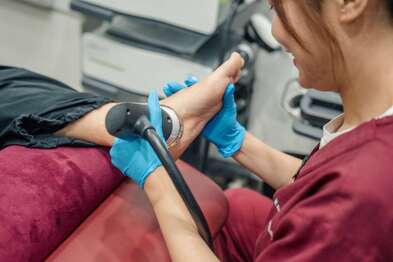
- pplying non-invasive therapies such as shockwave therapy and EMTT to help reduce pain, improve function, and manage acute and chronic flare-ups
RA may also lead to vascular issues such as vasculitis, where inflammation of the blood vessels affects circulation. This can present as rashes, delayed healing, and further complications in the lower limbs. Our podiatrists monitor and manage these developments to prevent deterioration.
There is no known cure for rheumatoid arthritis, but early podiatric care plays a key role in maintaining joint function, preventing complications, and improving quality of life. With targeted interventions and long-term support, we aim to help patients stay active, independent, and pain-free.
Book an Appointment
Opening Hours
With five conveniently located clinics in Bukit Timah, Kembangan, Novena, and Orchard, we provide thorough reviews and personalised care methods to address a wide range of lower limb issues that you or your family members might face. From initial assessment to tailored care plans, we ensure that every step of your journey is handled with expertise and attention to detail.
Mon to Sat - 9am to 6pm, Sun & Public Holidays - Closed
We recommend that you schedule an appointment prior to visiting our clinics.
Orchard
302 Orchard Road
Tong Building #09-02 (Rolex Centre)
Singapore 238862
Tel: +(65) 6884 4123
Kembangan
18 Jalan Masjid
Kembangan Plaza #B1-02
Singapore 418944
Tel: +(65) 6848 5156
Novena
10 Sinaran Drive
Novena Medical Centre #08-13
Singapore 307506
Tel: +(65) 6235 2132
Bukit Timah
1 Fifth Avenue
Guthrie House #02-04
Singapore 268802
Tel: +(65) 6235 9080
Marine Parade
80 Marine Parade Rd
Parkway Parade #08-04
Singapore 449269
Tel: +(65) 6592 8082