Skip to content

What is Heel Pain? 

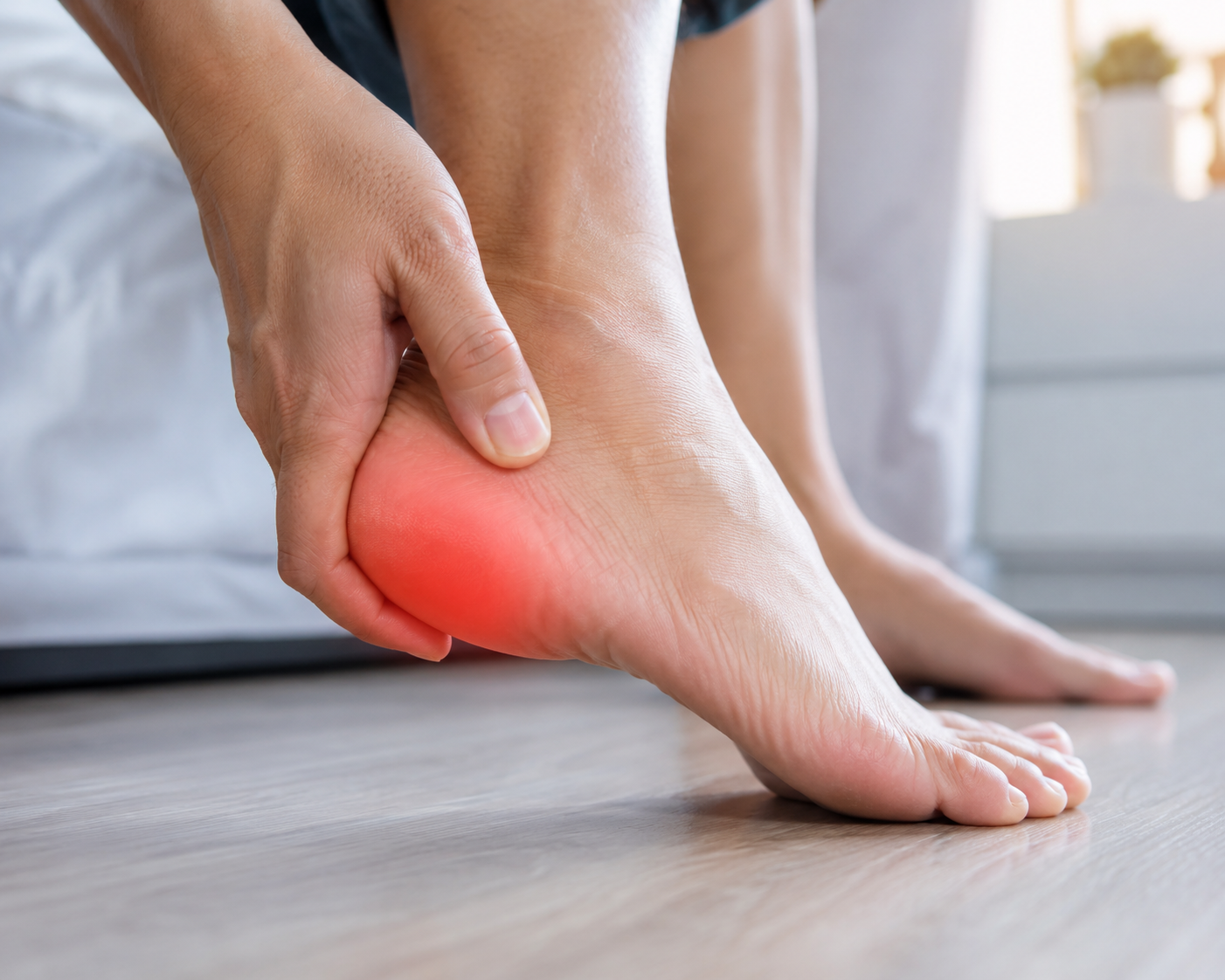
Heel pain is increasingly common in Singapore and can affect daily movement if left unmanaged. It often starts as mild discomfort but can gradually worsen over time. Without proper care, it may begin to interfere with simple activities like walking or standing.

  • Common causes: Plantar fasciitis, heel spurs, Achilles tendonitis
  • Lifestyle factors: Prolonged standing, hard surfaces, walking barefoot
  • Body factors: Obesity, flat feet, high arches, tight calf muscles
  • Footwear impact: Unsupportive shoes can worsen pain and delay recovery
faM3zS-otNU-HD
Heel Pain: Causes, Risks & How Podiatry Can Help

Types of Heel Pain

Heel pain can stem from various conditions, each requiring specific attention and care. Here are the most common types:

ankle-sprain_1-1
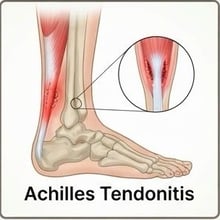
Achilles Tendonitis

Inflammation of the Achilles tendon, connecting the calf muscle to the heel bone, often caused by overuse. 
ankle-sprain_1-1
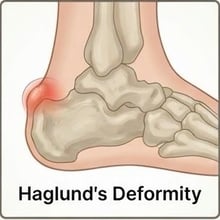
Haglund’s Deformity

A bony bump on the back of the heel caused by irritation, commonly from wearing stiff or high-backed shoes. It results in swelling and discomfort at the back of the heel, often referred to as “pump bump”.

ankle-sprain_1-1
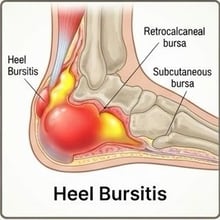
Heel Bursitis

Inflammation of fluid-filled sacs (bursae) around the heel. There are three types: Retrocalcaneal Bursitis, Subcutaneous Calcaneal Bursitis, Sub Achilles Bursitis

ankle-sprain_1-1
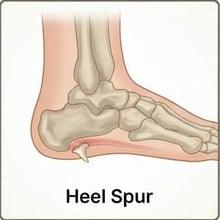
Heel Spurs

Bony growths on the bottom of the heel bone, usually associated with Plantar Fasciitis. They can cause sharp pain, especially when standing after rest.
ankle-sprain_1-1
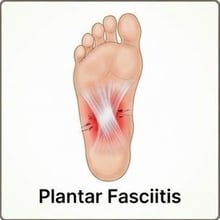
Plantar Fasciitis

Involves inflammation of the plantar fascia, a thick band of tissue that supports the arch of the foot. Pain is usually felt under the heel, especially with the first steps in the morning or after long periods of inactivity.
ankle-sprain_1-1
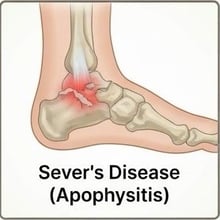
Sever’s Disease

This is a paediatric condition that affects children during growth spurts. It is caused by irritation of the growth plate in the heel, leading to pain that is typically triggered by high-impact movements.
ankle-sprain_1-1
Stress Fractures

Small cracks in the heel bone (calcaneus) due to repetitive force or overuse. Stress fractures lead to consistent pain, especially during weight-bearing activities, and are common in athletes.

ankle-sprain_1-1
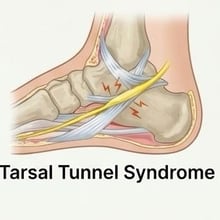
Tarsal Tunnel Syndrome

Occurs when the posterior tibial nerve becomes compressed. This results in pain, tingling, or numbness in the heel and can extend to the rest of the foot.

Symptoms of Heel Pain

Heel pain can stem from various conditions with distinct symptoms. Here's a list of common heel pain symptoms and conditions:

Plantar Fasciitis Symptoms:

Pain is worst in the morning after rest. Movement can ease the pain but prolonged standing or activity brings it back. Pain and/or swelling at the bottom of the heel, pain in the arch of the foot, increased pain in the Achilles Tendon, and increased pain after exercise.

Achilles Tendonitis or Heel Bursitis:

Swelling and tenderness, this include swelling around the back or bottom of the heel often worsening with walking or pressure. The heel may feel warm to the touch. Stiffness and limited mobility is also a common symptom, especially after inactivity, making it difficult to flex or extend the foot fully.

Rheumatoid Arthritis:

Heel pain along with morning stiffness. This is often accompanied by swelling and discomfort in other joints as part of a broader inflammatory response.

Stress fractures:

Bruising and localised pain that intensifies with weight-bearing activities like walking or running. The pain typically worsens over time.

Tarsal Tunnel Syndrome:

Radiating pain that spread from the heel to the arch or toes, particularly during walking or standing. It can also present itself as burning or tingling sensation that radiates from the heel to the toes, usually due to nerve compression.

Gout:

Redness, heat, and sudden pain. While gout usually affects the big toe, it can sometimes cause sudden heel pain with redness and swelling due to uric acid buildup in the joint.

Peripheral Arterial Disease (PAD) and Diabetes:

Numbness or a cold sensation in the heel caused by poor circulation, accompanied by chronic pain that worsens with activity.

Menopausal Joint Pain:

The drop in oestrogen during menopause can lead to joint stiffness and heel pain. Hormonal changes also often cause weight gain, adding extra stress on the heel and worsening discomfort.

Sever’s Disease:

Common in children, heel pain worsens during physical activity such as running or jumping and improves with rest. Pain is usually localised at the back or bottom of the heel.

Common Causes of Heel Pain

Heel pain can arise from a wide range of factors, from common lifestyle habits to underlying medical conditions. Here are some potential causes:

heel pain from overuse and repetitive stress
Overuse and Repetitive Stress

Heel pain can arisee from high-impact activities like running, jumping, or prolonged standing can overstress the heel, leading to conditions such as Plantar Fasciitis or stress fractures.

heel pain - improper foot wear
Improper Footwear

improper footwear or wearing shoes without adequate support or cushioning can misalign the foot, increasing pressure on the heel.

heel pain - weight gain and obesity
Weight Gain or Obesity

Extra weight puts significant pressure on the heel, aggravating existing conditions such as Plantar Fasciitis. The added strain also increases the likelihood of injuries like stress fractures in the heel bone.

heel pain - standing on hard surfaces
Standing or Moving on Hard Surfaces

Prolonged periods of standing or walking on hard surfaces cause stress on the heel’s tissues, leading to inflammation.

heel pain - age related and diabetes
Age-related Changes

As we age, the fat pad under the heel naturally thins, reducing cushioning and increasing the risk of developing conditions like Plantar Fasciitis or heel spurs.

heel pain - heel trauma
Heel Trauma

Direct impact or continuous micro-trauma to the heel can cause conditions like stress fractures or inflammation of the bursae. 

Foot-and-Ankle-Arthritis-scaled-e1753154664284
Heel Bursitis

Repetitive pressure or irritation can inflame the bursa, small fluid-filled sacs that cushion joints. This inflammation, particularly Retrocalcaneal Bursitis, can cause significant heel pain during movement.

heel pain - paediatric growth spurts
Growth Spurts in Children

A common cause of heel pain in active children. It involves inflammation of the growth plate during growth spurts. It’s often triggered by repetitive activities like running or jumping.

Non Surgical Therapy Options at East Coast Podiatry

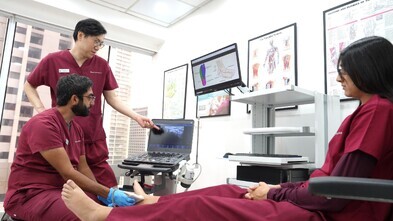
At East Coast Podiatry, we understand how debilitating and frustrating heel pain can be. As Singapore’s leading podiatry clinic, we provide personalised care plans tailored to your specific needs, ensuring you receive the best care for your condition. Whether your heel pain stems from Plantar Fasciitis, gout, menopausal joint pain, or other related conditions, our team utilises the latest techniques and technology to address a variety of heel problems:

Sports Taping Taping the foot provides temporary stability, reducing strain on the heel and offering relief during physical activities.
Custom Shoe Insoles/ Customised Foot Orthotics Customised orthotics offer support to the heel and arch, distributing pressure more evenly and reducing stress on the heel.
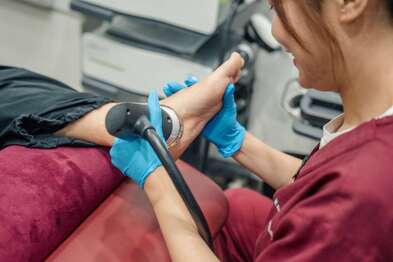
Extracorporeal Shockwave Therapy (ESWT) ESWT is a technology that promotes healing and regeneration by stimulating the affected tissue with acoustic waves.
Extracorporeal Magnetotransduction Therapy (EMTT) EMTT is a technology that uses electromagnetic pulses to accelerate tissue repair and reduce heel pain.
If you are in pain, contact us today to schedule a consultation and begin your path to recovery. Our dedicated team is here to provide the support you need to regain healthy, pain-free feet.

Know More About Heel Pain Management

ESWT Shockwave for Heel Pain Management
How to Manage Heel Pain? (Plantar Fasciitis)

Heel Pain Management

Heel pain is addressed through a range of care options, which vary depending on the cause and severity of the condition. Whether the pain is mild or severe, conservative methods are often the first step, while more advanced options are available if needed. Common care methods include:

  • Rest and Ice: Resting the heel and applying ice helps reduce inflammation and alleviate pain, particularly for overuse injuries.
  • Stretch and Strengthen: Stretching the calf muscles and plantar fascia, along with strengthening exercises, helps improve flexibility and provides better support.
  • Anti-inflammatory Medication: Nonsteroidal Anti-inflammatory Drugs (NSAIDs) help reduce swelling and provide pain relief.
Preventing-Ankle-Sprains
Ankle-Sprain-Management

Preventive Measures

  • Shoes that Fit Properly: Make sure your shoes offer support and cushioning. Avoid shoes with worn-down heels or soles, as they can contribute to heel pain.
  • Avoid Walking Barefoot on Hard Surfaces: Walking barefoot on hard surfaces puts unnecessary strain on the heel, leading to discomfort.
  • Use Heel Pads or Inserts: Heel pads or custom orthotics can absorb shock and reduce pressure on the heel, especially during prolonged standing or walking.
  • Maintain a Healthy Weight: Keeping a healthy weight reduces stress on the heels, lowering the risk of pain or injury.
  • Warm Up Before Any Activity: Proper warm-up exercises before engaging in physical activity can help prevent heel pain by preparing the muscles and joints.
  • Rest Your Feet: Take breaks from standing whenever possible to reduce strain on the heel and prevent overuse.

Meet the Podiatrist Team

Experienced & Internationally Trained Podiatrists Ready To Serve

Georgina-Callaghan
British Podiatrist
Georgina Callaghan
Senior Podiatrist
BSc (Hons) Podiatry

Michael Lai, DPM
US
Dr. Michael Lai
Clinical Director
Doctor of Podiatric Medicine, USA
Maria-Salus
Polish Podiatrist
Maria Salus
Senior Podiatrist
BSc (Hons) Podiatry
Peggy-Tian
Australian Podiatrist
Dr. Peggy Tian
Senior Podiatrist
DPM | BSc
Jordan-Williams
British Podiatrist
Jordan Williams
Podiatrist
BSc (Hons) Podiatry
Yasin-Rashid
British Podiatrist
Yasin Rashid
Podiatrist
BSc (Hons) Podiatry | PGCE
Gayatri-Ramesh
Singapore Podiatrist
Gayatri Ramesh
Podiatrist

BSc | MSc Podiatric Medicine

Book an Appointment

Opening Hours

With five conveniently located clinics in Bukit Timah, Kembangan, Novena, and Orchard & Marine Parade, we provide thorough reviews and personalised care methods to address a wide range of lower limb issues that you or your family members might face. From initial assessment to tailored care plans, we ensure that every step of your journey is handled with expertise and attention to detail.

Mon to Sat - 9am to 6pm, Sun & Public Holidays - Closed

We recommend that you schedule an appointment prior to visiting our clinics.

Orchard

302 Orchard Road
Tong Building #09-02 (Rolex Centre)
Singapore 238862
Tel: +(65) 6884 4123

View In Google Map

Kembangan

18 Jalan Masjid
Kembangan Plaza #B1-02
Singapore 418944
Tel: +(65) 6848 5156

View In Google Map

Novena

10 Sinaran Drive
Novena Medical Centre #08-13
Singapore 307506
Tel: +(65) 6235 2132

View In Google Map

Bukit Timah

1 Fifth Avenue
Guthrie House #02-04
Singapore 268802
Tel: +(65) 6235 9080

View In Google Map

Marine Parade

80 Marine Parade Rd
Parkway Parade #08-04
Singapore 449269
Tel: +(65) 6592 8082

View In Google Map

Frequently Asked About Heel Pain

What is heel pain?

Heel pain typically develops when the calcaneus, the largest bone in the foot, is subjected to excessive stress or inflammation in the surrounding tissues. This bone plays a crucial role in absorbing the impact of walking, running, and other weight-bearing activities. Conditions like Plantar Fasciitis (inflammation of the connective tissue beneath the foot) and Achilles Tendonitis (inflammation of the Achilles tendon) commonly lead to heel pain. When left alone, heel pain can affect mobility and posture, making each step painful and limiting daily activities.

What causes heel pain?

Heel pain is most often caused by repetitive stress or overuse, leading to conditions like Plantar Fasciitis, where the thick band of tissue supporting the arch becomes inflamed, or heel spurs, which are bony growths on the heel bone. These conditions are commonly aggravated by activities such as prolonged standing, walking, or running on hard surfaces. Inflammatory conditions like Rheumatoid Arthritis or gout can also lead to heel pain due to joint inflammation, further contributing to discomfort and stiffness in the heel. Addressing the underlying cause is key to the management of this condition.

How do I know if I have heel pain?

If you’re experiencing sharp, stabbing pain in the bottom or back of your heel, especially when taking your first steps in the morning or after periods of rest, it could indicate heel pain. Other common signs include tenderness, swelling, and aching in the heel, particularly after walking or standing for long periods. You may also feel pain during or after physical activities such as running. If you notice discomfort when wearing certain shoes or experience stiffness in the heel after rest, these are additional indicators of heel pain. If symptoms persist, it’s advisable to see a podiatrist for proper diagnosis.

Will heel pain go away if I only take NSAIDs?

NSAIDs can help reduce inflammation and provide temporary relief from heel pain, but they are unlikely to fully resolve the issue if used alone. Heel pain is often caused by conditions such as tissue strain, overuse, or other structural problems in the foot. While NSAIDs may ease symptoms, they do not address the root cause of the pain. To achieve lasting relief, NSAIDs should be combined with other methods like rest, stretching exercises, or supportive footwear. Consulting a podiatrist for a proper diagnosis is essential to effectively manage and resolve heel pain.

What are some options offered by podiatrists for heel pain?

At East Coast Podiatry, we offer a range of options for heel pain, tailored to each patient’s specific needs. Our podiatrists use a combination of methods to promote healing, manage pain, and prevent recurrence. Below are some service offerings we provide:

  • Custom Foot Orthotics: Specially designed shoe inserts that provide support to the heel and arch, helping to redistribute pressure and relieve pain in the heel.
  • Extracorporeal Shockwave Therapy: A non-invasive technology that uses acoustic waves to stimulate healing and reduce chronic heel pain.
  • Extracorporeal Magnetotransduction Therapy: An advanced technology that uses electromagnetic pulses to accelerate tissue repair and reduce inflammation.
  • Physiotherapy and Exercises: Targeted stretches and strengthening exercises help improve flexibility and foot support, reducing heel pain and preventing future injury.
  • Sports Taping: Application of sports tape to the foot to provide additional support and cushioning to reduce strain on the heel and offer pain relief.