

Skip to content
CdxCP_p8aaU-HD

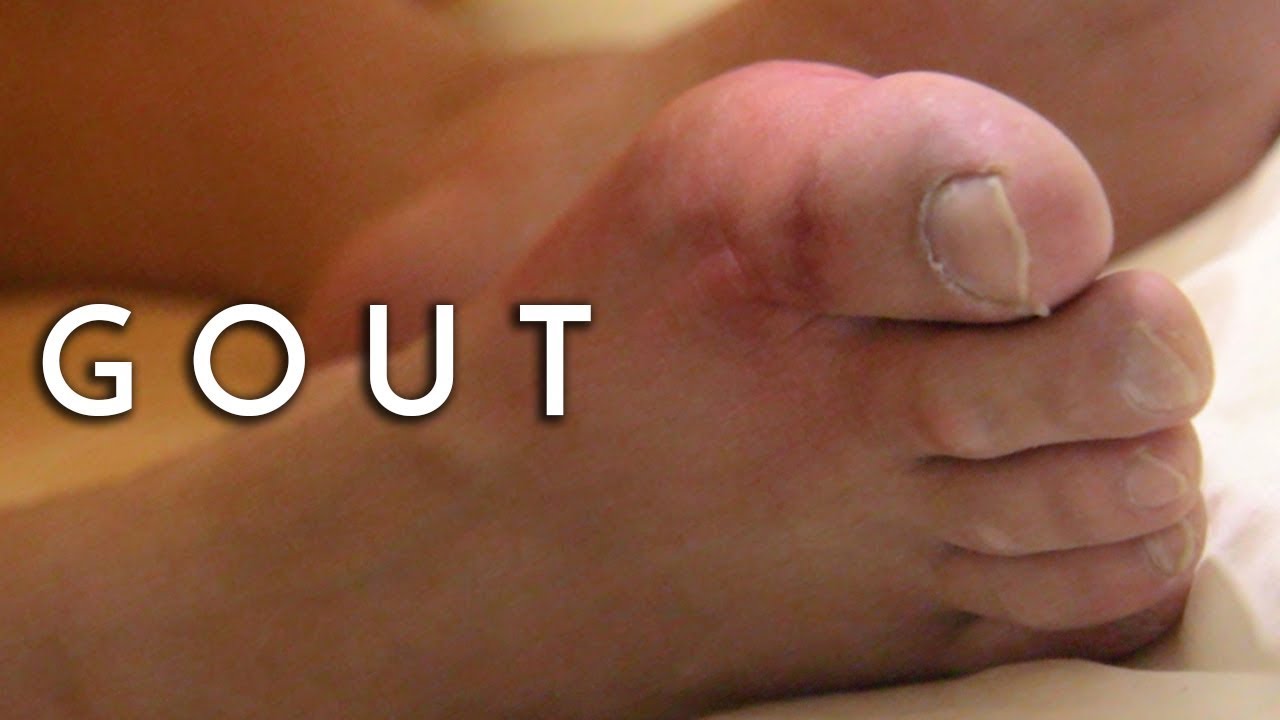
If you’ve ever woken up in the middle of the night with sharp, searing pain in your big toe, you may have experienced gout. This pain can be so intense that even the smallest movements become overwhelming, affecting your mobility and making daily activities, like walking or standing, difficult.

It’s important to understand that certain groups are at greater risk of developing gout, and knowing where you fit can help manage your risk. For example, men, particularly those in their 30s and beyond, are more susceptible. This increased risk is linked to the fact that uric acid levels tend to rise naturally as men age. Similarly, women face a greater risk of gout after menopause due to hormonal changes. Specifically, the decline in oestrogen levels during this time can reduce the body’s ability to remove uric acid effectively, thereby making women more vulnerable to it. Therefore, by identifying these risk factors, you can take proactive steps to reduce the likelihood of future gout attacks. With this understanding in mind, let’s now explore the causes of gout and ways to manage it.

Causes of Gout

Gout occurs when the body struggles to manage rising levels of uric acid. As uric acid accumulates in the bloodstream, it eventually forms needlelike crystals in the joints, which the immune system identifies as foreign invaders. This triggers an inflammatory response, resulting in swelling, redness, and significant pain.

The big toe joint is particularly vulnerable, with over 90 per cent of gout cases involving this area. Its distance from the heart makes it cooler, and since uric acid crystallises more easily at lower temperatures, the big toe becomes an ideal spot for these crystals to form, leading to discomfort and inflammation.
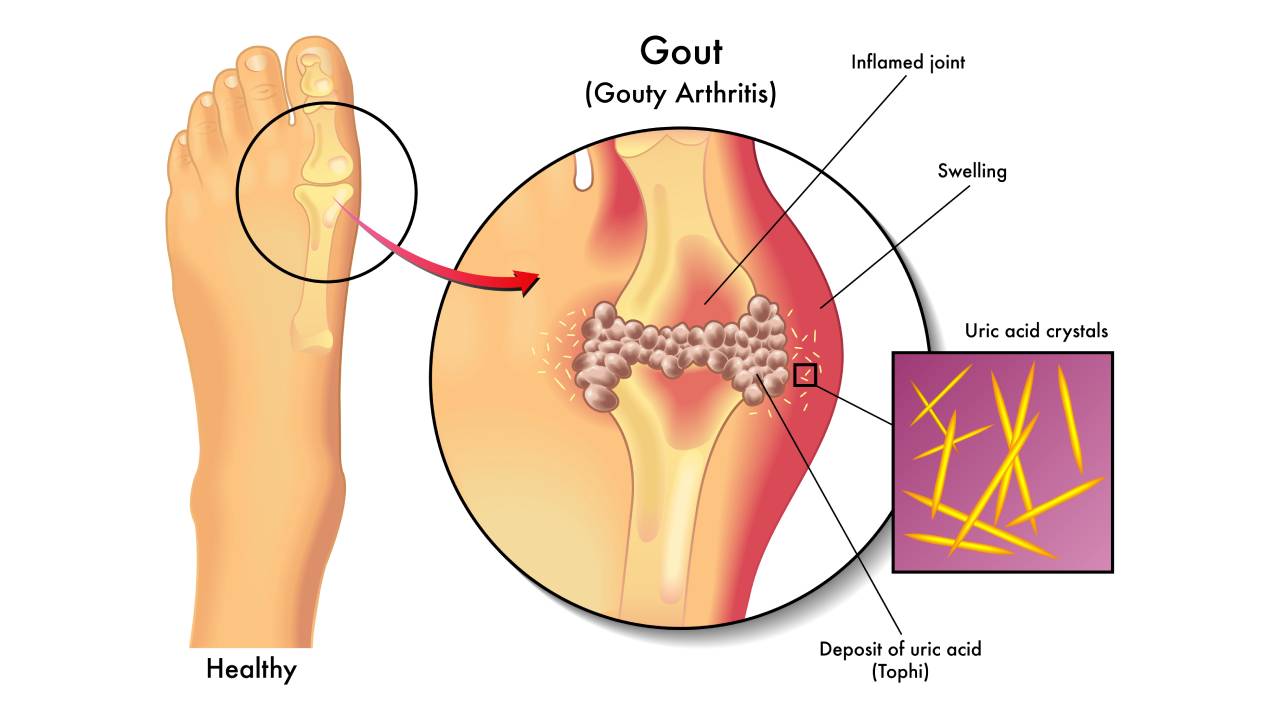
gout-uric-acid-crystals

Several factors contribute to elevated uric acid levels, each playing a role in the onset of these painful episodes:

  • Dietary Influences: One major factor is diet. A diet rich in purines can lead to increased uric acid production. As purines are metabolised by the body, uric acid is produced, and foods like red meat, shellfish, alcohol, and sugary drinks can significantly raise uric acid levels, especially in those predisposed to gout.
  • Excess Uric Acid Production: Some individuals may produce more uric acid than their bodies can handle. This overproduction often results from genetic factors, metabolic disorders, or certain medical conditions like leukaemia. Additionally, treatments such as chemotherapy can further increase uric acid levels.
  • Kidney Inefficiency: The kidneys play a crucial role in filtering uric acid from the bloodstream. However, when its function is impaired by chronic conditions, excessive alcohol use, or certain medications like diuretics, the body struggles to remove uric acid, leading to a higher risk of crystal buildup and painful gout attacks.

4 Stages of Gout

Gout progresses through four distinct stages
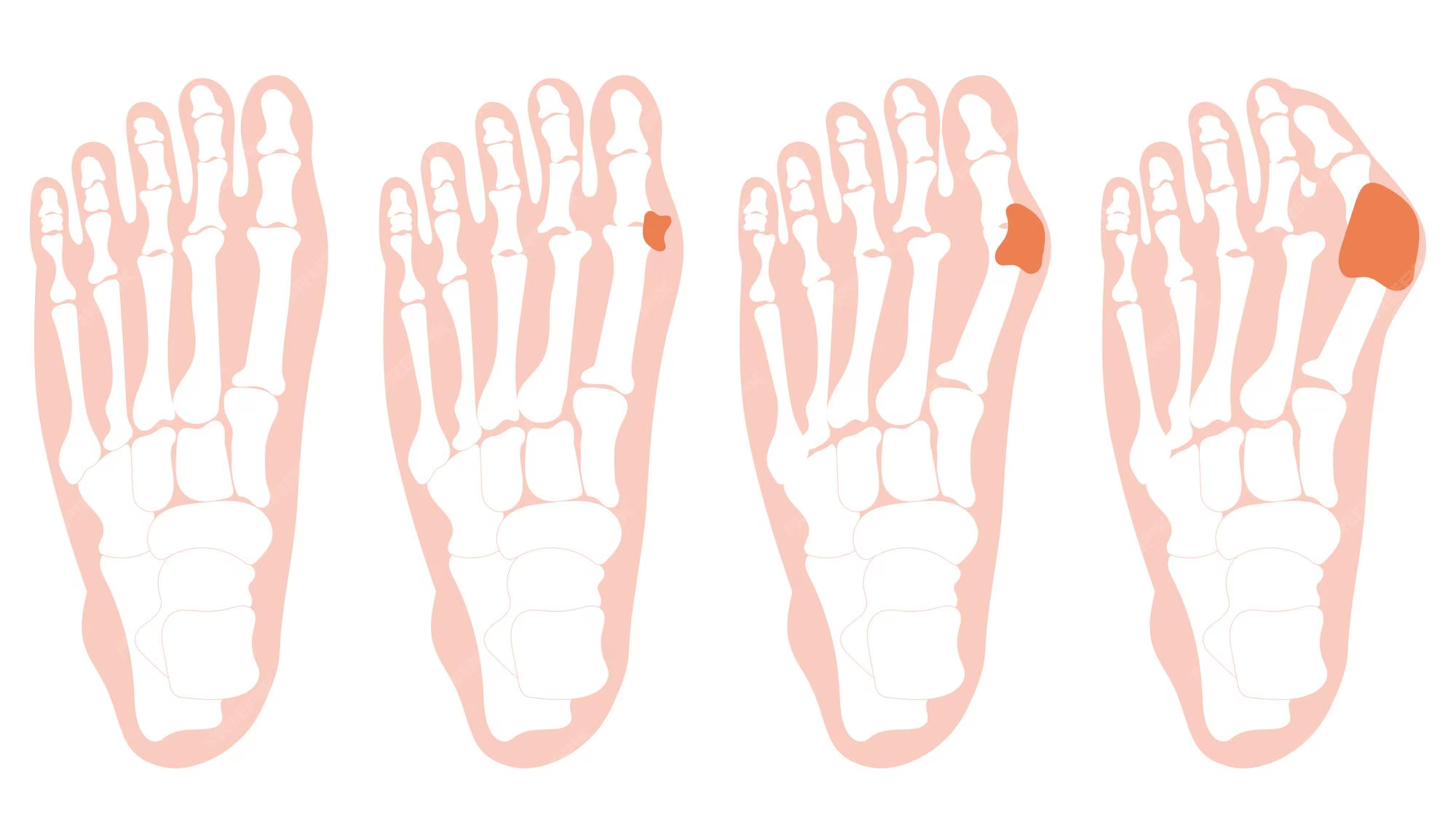
Gout-4-Stages-of-Gout

Stage 1: Asymptomatic Gout

In this stage, uric acid slowly builds up in the blood, a condition known as hyperuricemia. Though uric acid crystals begin to form in the joints, there are no noticeable symptoms. This stage can persist for years, as the body silently accumulates uric acid, creating the potential for future gout flare-ups if the condition remains unmanaged.

Stage 2: Acute Gout

As the crystals form in the joints, they trigger sudden and severe pain, along with swelling and inflammation. Diagnosis is confirmed through joint fluid analysis, where they are identified. It’s essential to differentiate this from pseudogout, which presents similar symptoms but involves calcium pyrophosphate crystals and thus requires a different approach.

Stage 3: Intercritical Gout

After an acute attack subsides, gout enters a symptom-free phase known as intercritical gout. Despite the lack of symptoms, uric acid continues to build up in the joints, increasing the risk of future attacks. This phase can last anywhere from months to years, depending on the individual’s uric acid levels and how well the condition is managed.

Stage 4: Chronic Tophaceous Gout

If left ignored, gout can advance to chronic tophaceous gout, the most severe form of the condition. Large deposits of urate crystals, known as tophi, develop in joints and tissues, causing pain and deformity. Over time, these tophi can lead to joint damage, restricted movement, and other complications such as kidney stones.

Symptoms of Gout
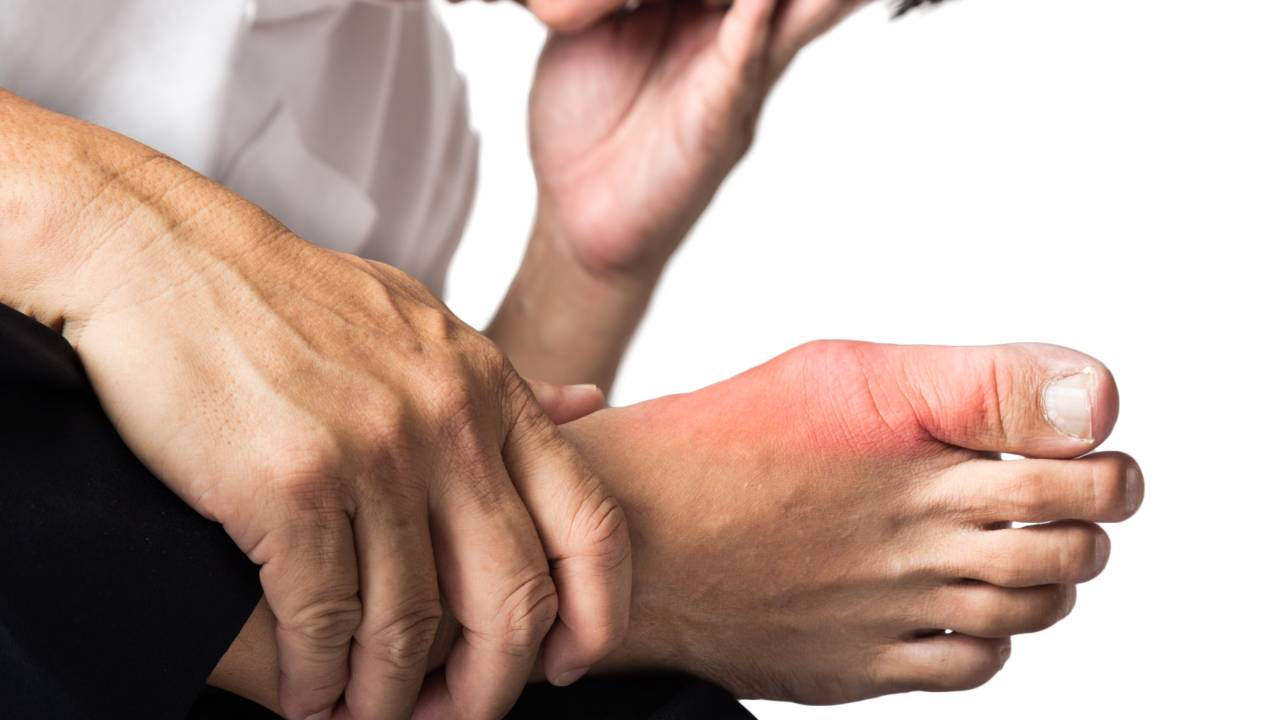
gout-attack

Gout attacks are sudden and often start with a warm, throbbing sensation that quickly turns into sharp pain. While symptoms may ease within a week, some effects can linger. Gout primarily affects the lower limbs, such as the big toe, foot, ankle, heel, instep, and knee. The key symptoms include:

  • Intense Joint Pain: Pain peaks within the first four to 12 hours, making it difficult to bear weight or move the affected joint.
  • Lingering Discomfort: After the initial pain subsides, discomfort can last for days or weeks, with repeated attacks often lasting longer.
  • Inflammation and Tenderness: The joint becomes swollen, warm, and red, with surrounding skin becoming tender and sensitive to touch.
  • Reduced Movement and Stiffness: Stiffness and limited range of motion may occur, making movement more difficult.

Gout Management and Prevention

Gout is a progressive condition that, if left unmanaged, can lead to serious long-term complications, including kidney failure and gout-induced osteoarthritis. As uric acid builds up in the body, its crystallisation in the joints worsens, resulting in more frequent and painful attacks. Moreover, this progression is compounded by risk factors such as obesity, excessive alcohol consumption, and kidney dysfunction, highlighting the need for a comprehensive approach.

While medication like Non-Steroidal Anti-Inflammatory Drugs (NSAIDs) and Corticosteroids may offer temporary relief, they often come with side effects and will not address the root causes of gout-related joint damage. Additionally, although dietary changes like reducing purine-rich foods and limiting alcohol can help lower uric acid levels, these adjustments alone are often insufficient for managing severe or recurring cases.

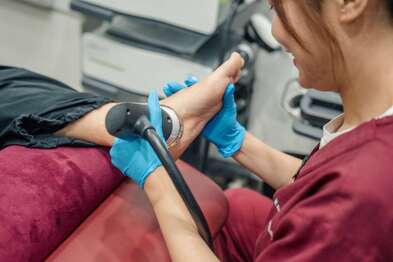
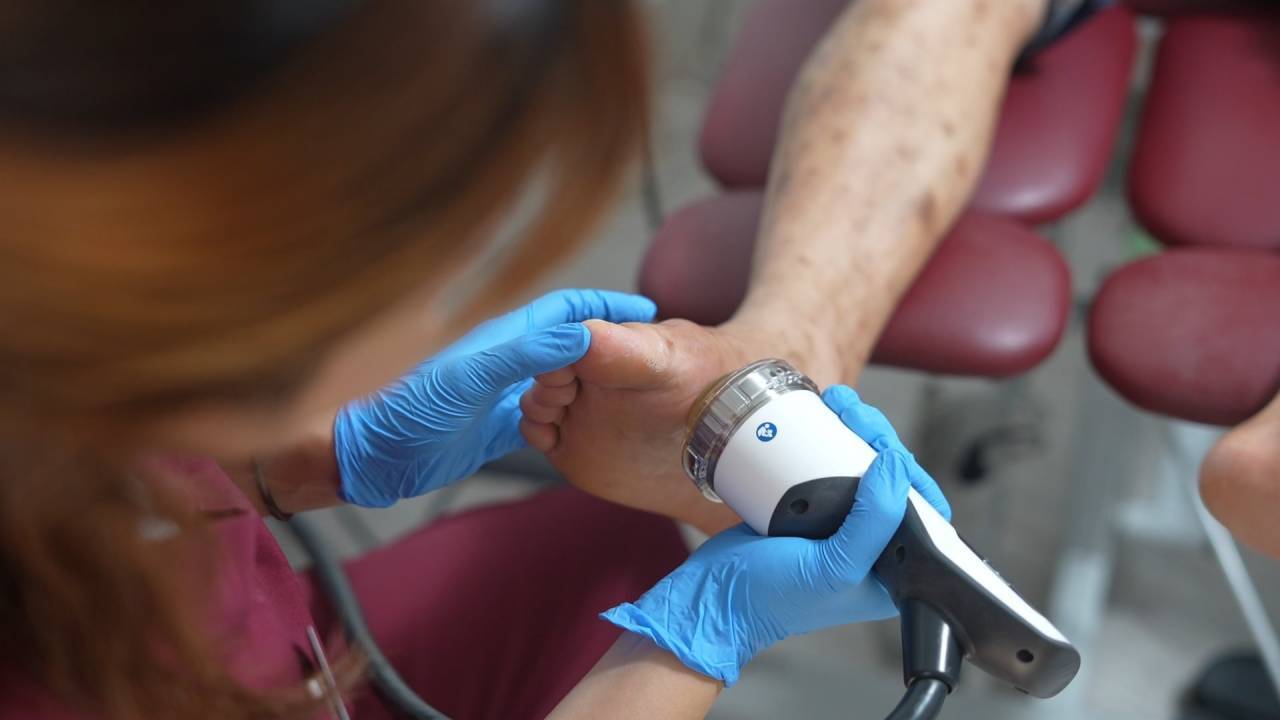
This is where Extracorporeal Shockwave Therapy (ESWT) provides an advanced approach to managing gout. By delivering high-energy sound waves directly to the affected joints, this non-invasive method not only reduces pain and inflammation, it also stimulates the body’s natural healing processes. It promotes angiogenesis, which improves blood flow to damaged areas, and stimulates collagen synthesis, helping to repair and strengthen joint tissues weakened by uric acid crystal buildup. As a result, the use of shockwaves addresses the immediate symptoms and underlying joint damage caused by gout.

To provide additional support, Extracorporeal Magnetotransduction Therapy (EMTT) can be included. EMTT uses magnetic fields to stimulate cellular activity, improve blood flow, and accelerate tissue regeneration. This complementary method reduces inflammation, alleviates pain, and improves joint flexibility, offering a well-rounded approach to the management of gout-related discomfort.

Preventing future gout attacks requires a proactive approach to lifestyle adjustments. Since the buildup of uric acid is a major factor in triggering gout, managing it involves addressing various lifestyle choices. For instance, starvation triggers the production of ketones, which increases inflammation, while rapid weight fluctuations can cause spikes in uric acid, worsening symptoms. Additionally, poor eating habits, such as consuming purine-rich foods or sugary drinks high in fructose, raise uric acid levels. Processed foods and those high in saturated fats further aggravate the issue, making it crucial to adopt a balanced, healthier diet to help prevent flare-ups.

In addition to immediate lifestyle adjustments, managing the long-term effects of unchecked gout is crucial. When left unmanaged, uric acid can gradually accumulate in the kidneys, potentially leading to serious complications like kidney stones or even renal failure. Over time, the impact extends to the joints, where it will cause gradual bone erosion and deformities, particularly in areas like the feet, which bear the stress of daily movement. Additionally, chronic stress can worsen the condition, as elevated hormones such as cortisol and adrenaline further drive uric acid levels and increase the likelihood of flare‑ups.

Take Control of Gout with East Coast Podiatry

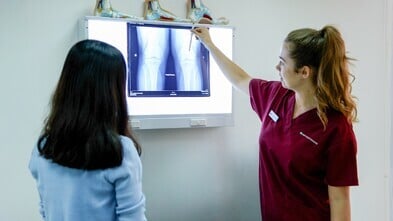
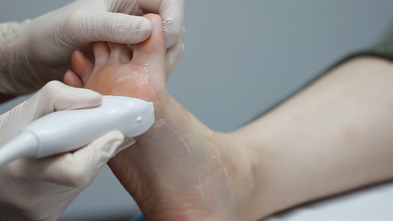
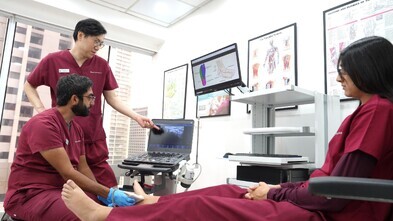
If you’re struggling with knee, ankle, or foot pain and suspect it’s gout, taking swift action is key. At East Coast Podiatry, Singapore’s leading podiatry clinic, we offer comprehensive evaluations using advanced tools like ultrasounds to accurately diagnose your condition and understand the extent of the problem.

While medication may provide temporary relief, they don’t address the deeper joint and bone damage caused by recurring gout attacks. That’s where our non-invasive methods, ESWT and EMTT, come in. These advanced technology not only reduce pain and inflammation, they also promote healing. After addressing the immediate pain, our approach shifts toward long-term care, using customised in-shoe orthotics to stabilise your joints, improve mobility, and prevent future complications, ensuring your overall foot health.

Contact us today, and our experienced podiatrists will work closely with you to develop a personalised care plan. By addressing both the acute and long-term effects of gout, we’ll help you manage the condition and regain comfort and mobility.
gout-treatment

Frequently Asked Questions About Gout

What is gout and what causes it?

Gout is a type of arthritis that occurs when there is an imbalance of uric acid in the body, leading to its accumulation in the blood. Uric acid is a natural byproduct formed when the body breaks down purines, substances found in certain foods. Normally, uric acid is dissolved in the blood and excreted through urine, but when the body produces too much or fails to eliminate enough, it leads to high levels in the bloodstream. This excess uric acid forms sharp urate crystals, which accumulate in and around the joints, causing irritation, inflammation, and severe pain. Commonly affected areas include the big toe, foot, ankle, heel, instep, and knee.

How do I know if the pain I have is gout?

Gout pain tends to come on suddenly and is often described as throbbing, sharp, or intensely painful, typically affecting the big toe, foot, or ankle. The pain can become severe within hours, making even the lightest touch, like a bedsheet, feel unbearable. In addition to this intense discomfort, the affected joint may appear swollen, red, and warm to the touch. Gout attacks frequently happen at night or in the early morning, sometimes waking you up from sleep. If you’re experiencing these symptoms, it’s recommended that you consult a podiatrist for a proper diagnosis.

What are the four stages of gout?

Gout progresses through four stages, starting with asymptomatic hyperuricemia, where uric acid levels in the blood are elevated but symptoms are absent. As the condition advances, it moves into acute gout, where uric acid crystals build up in the joints, causing sudden, intense pain and inflammation during attacks that can last days to weeks. Between these attacks, intercritical gout occurs, where symptoms temporarily subside but uric acid levels remain high, silently increasing the risk of future flare-ups. If left unmanaged, gout can progress to chronic tophaceous gout, the most severe stage, where large deposits of uric acid crystals, known as tophi, form in the joints, leading to chronic pain, joint deformity, and potential long-term damage.

What can a podiatrist do for my gout?

A podiatrist can help assess your symptoms and may use tools like ultrasound to check for uric acid crystals in the joints. They can develop a personalised care plan that may include non-invasive methods such as ESWT and EMTT to help reduce pain and inflammation. Additionally, customised in-shoe orthotics may be recommended to support joint stability and improve mobility, aiding in the overall management of gout.

How do the advanced technologies relieve gout pain?

ESWT stimulates blood flow and triggers angiogenesis, which is the formation of new blood vessels. This improved circulation helps flush out inflammatory mediators and delivers oxygen and nutrients to the damaged tissue, reducing pain and swelling. It also promotes collagen synthesis, a key process where collagen, an essential protein, is produced to repair and strengthen joint tissues weakened by uric acid crystals. EMTT complements this by using magnetic fields to enhance cellular activity, accelerate tissue regeneration, and further reduce inflammation. Together, these options provide pain relief and support healing by addressing inflammation and tissue repair.

Media

Book an Appointment

Opening Hours

With five conveniently located clinics in Bukit Timah, Kembangan, Novena, and Orchard, we provide thorough reviews and personalised care methods to address a wide range of lower limb issues that you or your family members might face. From initial assessment to tailored care plans, we ensure that every step of your journey is handled with expertise and attention to detail.

Mon to Sat - 9am to 6pm, Sun & Public Holidays - Closed

We recommend that you schedule an appointment prior to visiting our clinics.

Orchard

302 Orchard Road
Tong Building #09-02 (Rolex Centre)
Singapore 238862
Tel: +(65) 6884 4123

Kembangan

18 Jalan Masjid
Kembangan Plaza #B1-02
Singapore 418944
Tel: +(65) 6848 5156

Novena

10 Sinaran Drive
Novena Medical Centre #08-13
Singapore 307506
Tel: +(65) 6235 2132

Bukit Timah

1 Fifth Avenue
Guthrie House #02-04
Singapore 268802
Tel: +(65) 6235 9080

Marine Parade

80 Marine Parade Rd
Parkway Parade #08-04
Singapore 449269
Tel: +(65) 6592 8082