
Skip to content

HEEL PAIN SYMPTOMS, CAUSES, AND TREATMENT

Understanding Heel Pain

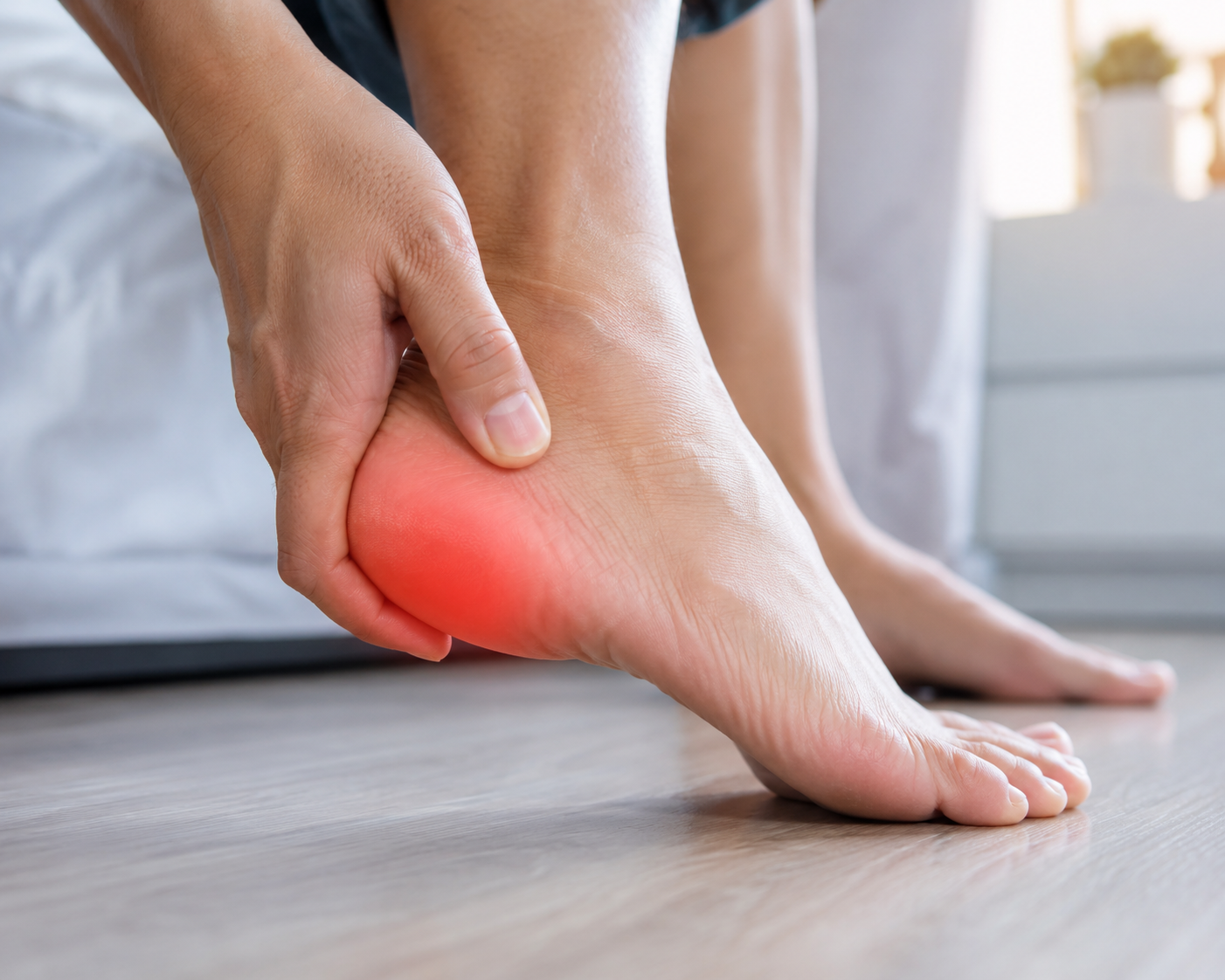
Experiencing sharp heel pain when you take your first steps in the morning or after long periods of standing? Our podiatrists diagnose the underlying cause, such as plantar fasciitis, Achilles tendinitis, or biomechanical issues, and provide targeted, non-surgical treatment for lasting relief.

PinGreen
Causes
PinGreen
Symptoms
PinGreen
Treatments
East Coast Podiatry Heel Pain blog 23-7
Heel Pain: Causes, Risks & How Podiatry Can Help

What is Heel Pain?

Heel pain typically develops when the calcaneus, the largest bone in the foot, is subjected to excessive stress or when the surrounding tissues become inflamed. The calcaneus plays a crucial role in absorbing the impact of walking, running, and other weight-bearing activities, so conditions such as plantar fasciitis and Achilles tendonitis commonly lead to heel pain. Increasingly common in Singapore, heel pain often starts as mild discomfort but can gradually worsen and affect mobility and posture if left unmanaged.

Types of Heel Pain
Heel pain can stem from various conditions, each requiring specific attention and care. Here are the most common types:
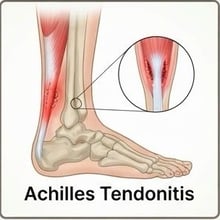
Achilles Tendonitis

Achilles Tendonitis

Achilles tendonitis is the inflammation of the Achilles tendon, which connects the calf muscle to the heel bone, often caused by overuse.
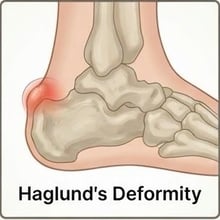
Haglunds Deformity

Haglund's Deformity

A bony bump on the back of the heel caused by irritation, commonly from stiff or high-backed shoes. It results in swelling and discomfort at the back of the heel, often referred to as a "pump bump".
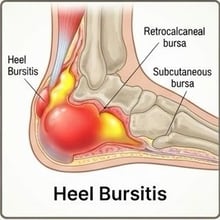
heel bursitis

Heel Bursitis

Heel bursitis is the inflammation of the fluid-filled sacs (bursae) around the heel. There are three types: retrocalcaneal bursitis, subcutaneous calcaneal bursitis, and sub-Achilles bursitis.
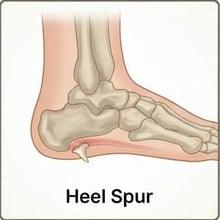
heel spurs

Heel Spurs

Heel spurs are caused by bony growths on the bottom of the heel bone, usually associated with plantar fasciitis. They can cause sharp pain, especially when standing after rest.
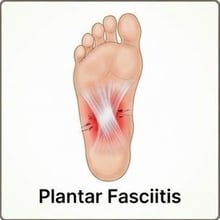
plantar fasciitis

Plantar Fasciitis

Plantar fasciitis is the inflammation of the plantar fascia, the thick band of tissue that supports the arch of the foot. Pain is usually felt under the heel, especially with the first steps in the morning or after long periods of inactivity.
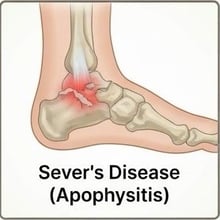
severs disease

Sever's Disease

A paediatric condition affecting children during growth spurts, caused by irritation of the growth plate in the heel. Pain is typically triggered by high-impact movements.
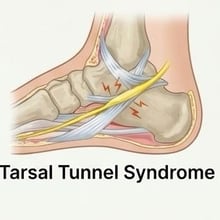
tarsal tunnel syndrome

Tarsal Tunnel Syndrome

Tarsal tunnel syndrome is caused by compression of the posterior tibial nerve, resulting in pain, tingling, or numbness in the heel that can extend across the rest of the foot.

Common Causes and Risk Factors of Heel Pain

Heel pain can arise from everyday habits and activities, as well as from underlying physical and medical factors.

Causes

Overuse and repetitive stress: High-impact activities like running, jumping, or prolonged standing can overstress the heel, leading to conditions such as plantar fasciitis or stress fractures.

Improper footwear: Shoes without adequate support or cushioning can misalign the foot and increase pressure on the heel.

Standing or moving on hard surfaces: Prolonged standing or walking on hard surfaces stresses the heel's tissues, leading to inflammation.

Heel trauma: Direct impact or continuous micro-trauma to the heel can cause stress fractures or inflammation of the bursae.

Risk Factors

Weight gain or obesity: Extra weight places significant pressure on the heel, aggravating conditions like plantar fasciitis.

Age-related changes: The fat pad under the heel naturally thins with age, reducing cushioning.

Flat feet or high arches: Both can alter how weight is distributed across the foot and heel.

Tight calf muscles: Reduced flexibility can increase strain on the heel and plantar fascia.

Growth spurts in children: Active children can develop heel pain from irritation of the heel's growth plate.

Underlying conditions: Diabetes, rheumatoid arthritis, and gout can all contribute to heel pain.

Signs and Symptoms of Heel Pain

Heel pain can present in several ways. Common signs include:

  • First-Step or Morning Pain: Sharp, stabbing pain in the bottom or back of the heel when taking the first steps in the morning or after periods of rest.
  • Pain After Rest or Inactivity: Discomfort that returns after sitting or lying down for a while, often easing with gentle movement before returning with prolonged activity.
  • Tenderness and Swelling: Aching, tenderness, or swelling around the heel, particularly after walking or standing for long periods.
  • Stiffness and Limited Mobility: Stiffness in the heel after inactivity, sometimes making it difficult to flex or extend the foot fully.
  • Pain That Worsens with Activity: Pain during or after physical activities such as running, or when wearing certain shoes.
  • Burning or Tingling: A burning or tingling sensation radiating from the heel, which can point to nerve involvement.

cn-heelpain-image-1

When Should You Seek a Podiatrist?

Dr Michael Lai

It's worth seeing a podiatrist if your heel pain lasts more than a couple of weeks, keeps returning, or doesn't improve with rest and supportive footwear.

You should seek care sooner if the pain is severe, follows an injury, or is affecting how you walk and go about daily activities. Early assessment is especially important if you have diabetes or reduced circulation, as foot problems can carry a higher risk in these cases. Prompt diagnosis helps address the underlying cause before it becomes more difficult to treat.

Heel Pain Treatment Options

There is no single treatment that suits every case. The right option depends on the type and severity of the infection, its likely cause, and your general health, and because nails grow slowly, visible improvement appears gradually as a healthy nail grows in. A podiatrist may recommend one approach or a combination of the following:

ankle foot orthotics

Custom Foot Orthothics

Customised foot orthotics that support the heel and arch, distributing pressure more evenly and reducing stress on the heel.
Shockwave_Therapy_Icon_bg_f2f3f1

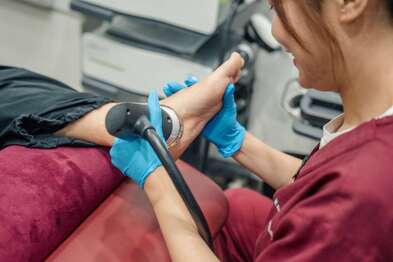
Extracorporeal Shockwave Therapy (ESWT)

Shockwave therapy is a non-invasive technology that uses acoustic waves to stimulate healing and regeneration in the affected tissue.
EMTT

Extracorporeal Magnetotransduction Therapy (EMTT)

EMTT is a technology that uses electromagnetic pulses to accelerate tissue repair and reduce heel pain.
exercise

Physiotherapy and Exercises

Targeted stretches and strengthening exercises improve flexibility and foot support, reducing pain and helping prevent recurrence.

sports taping icon-1

Sports Taping

Sports taping on the foot provides temporary stability, reducing strain on the heel and offering relief during physical activities.

Complications if Heel Pain is Left Untreated

Heel pain that is left unmanaged tends to worsen over time and can begin to interfere with everyday activities like walking and standing. As the pain persists, many people unconsciously change the way they walk to avoid it.

These compensations can place extra strain on other areas, including the other foot, the knees, hips, and lower back, potentially leading to further discomfort. Chronic heel pain can also reduce activity levels and affect overall mobility and quality of life, which is why addressing the underlying cause early is important.

Management and Prevention of Heel Pain

Alongside professional treatment, self-care and preventive habits play an important role in managing heel pain and reducing the chance of it returning.

Management Methods

  • Rest and ice: Resting the heel and applying ice helps reduce inflammation and ease pain, particularly for overuse injuries.
  • Stretch and strengthen: Stretching the calf muscles and plantar fascia, along with strengthening exercises, improves flexibility and provides better support.
  • Anti-inflammatory medication: Nonsteroidal anti-inflammatory drugs (NSAIDs) can help reduce swelling and provide pain relief.

Preventive Care

  • Wear supportive, well-fitting shoes: Choose footwear with good support and cushioning, and avoid shoes with worn-down heels or soles.
  • Avoid walking barefoot on hard surfaces: This puts unnecessary strain on the heel.
  • Use heel pads or inserts: These absorb shock and reduce pressure on the heel, especially during prolonged standing or walking.
  • Maintain a healthy weight: Reducing excess weight lowers stress on the heels.
  • Warm up before activity: A proper warm-up prepares the muscles and joints and helps prevent heel pain.
  • Rest your feet: Take breaks from standing where possible to reduce strain and prevent overuse.

Get Rid of Heel Pain at East Coast Podiatry

East Coast Podiatry Heel Pain blog 23-7

At East Coast Podiatry, we understand how frustrating toenail fungus can be when it persists over time. As Singapore’s leading podiatry clinic, we offer a range of care methods, including Photodynamic Antimicrobial Therapy (PACT) and topical applications, to target fungal infections and restore healthy nails. In rare cases where the infection is more severe, toenail avulsion may be considered, but our primary focus is on less invasive options to promote nail recovery.

If you’re dealing with toenail fungus, addressing it early can help prevent complications. Contact us today to schedule a consultation and take the first step toward clear, healthy nails. Our team of podiatrists is here to provide personalised care and solutions to support long-term nail health.

Frequently Asked Questions About Heel Pain

Can heel pain go away on its own?

Mild heel pain from a temporary strain may settle with rest and supportive footwear. More often, though, heel pain is linked to an underlying cause that needs to be addressed — if it persists or keeps returning, it's unlikely to fully resolve on its own.

Will heel pain go away if I only take NSAIDs?

NSAIDs can reduce inflammation and provide temporary relief, but they're unlikely to fully resolve heel pain on their own, as they don't address the root cause. For lasting relief, they're best combined with measures like rest, stretching, or supportive footwear, alongside a proper diagnosis from a podiatrist.

Can heel pain return after treatment?

It can, particularly if the underlying cause isn't addressed. Following your podiatrist's footwear, exercise, and prevention advice helps reduce the chance of recurrence.

Will my heel pain require surgery?

The vast majority of heel pain is managed successfully with non-surgical care. Surgery is rarely needed and is usually only considered when conservative treatments have been fully explored.

How long does a heel pain treatment session take?

Depending on the cause of the heel pain, the treatment session length may vary. Generally, each treatment session may last between 5 - 20 minutes, not including the initial consultation. 

Is heel pain treatment painful?

Most treatments are well tolerated. Some, such as shockwave therapy, may cause mild discomfort during the session, and the intensity can be adjusted for your comfort.

How many treatment sessions will I need?

This depends on the cause and severity of your heel pain and the treatment used. Your podiatrist will outline an expected plan and review your progress along the way.

What is the difference between heel pain treatment and NSAIDs?

NSAIDs are anti-inflammatory medications that can ease pain and swelling temporarily, but they only manage symptoms rather than address what's causing them.

Treatments such as shockwave therapy or custom orthotics work differently: they target the underlying tissue or biomechanical issue directly, aiming for longer-term improvement rather than short-term relief.

Our Specialists

Meet The Podiatrist Team

Experienced & Internationally Trained Podiatrists Ready To Serve

Michael-Lai-team
USA

Dr. Michael Lai

Clinical Director

Doctor of Podiatric Medicine

Georgina-Callaghan-team
UK

Georgina Callaghan

Senior Podiatrist

BSc (Hons) Podiatry

Gayatri-Ramesh-Profile
SG

Gayatri Ramesh

Podiatrist

BSc | MSc Podiatric Medicine

Jordan-Williams-team
UK

Jordan Williams

Podiatrist

BSc (Hons) Podiatry

Maria-Salus-1
polish-flag

Maria Salus

Senior Podiatrist

BSc (Hons) Podiatry

Yasin-Rashid-team
UK flag-png

Yasin Rashid

Podiatrist

BSc (Hons) Podiatry | PGCE

Your Journey to Recovery

Your Treatment Journey

1
icon-9
Book Your Consultation

Book online or WhatsApp us.

2
icon-6
Comprehensive Heel Pain Assessment

We will examine your symptoms, gait, biomechanics and identify the underlying cause of your heel pain.

3
icon-14
Personalised Treatment Plan

Receive an evidence-based treatment plan tailored to your diagnosis and recovery goals.

4
icon-9
Return To Pain-Free Movement

We'll monitor your progress, adjust treatment where needed and help you confidently return to work, exercise and daily life.

Book an Appointment

Find An East Coast Podiatry Clinic Near You

With five conveniently located clinics in Bukit Timah, Kembangan, Novena, and Orchard & Marine Parade, we provide thorough assessments and personalised care methods to address a wide range of lower limb issues that you or your family members might face. From initial assessment to tailored care plans, we ensure that every step of your journey is handled with expertise and attention to detail.

Clinic Location Operating Hours
Bukit Timah, Kembangan, Marine Parade, Novena Mon to Sat - 9am to 6pm, Sun & Public Holidays - Closed
Orchard Mon to Sun - 9am to 6pm, Public Holidays - Closed


We recommend that you schedule an appointment prior to visiting our clinics.

Orchard

302 Orchard Road
Tong Building #09-02 (Rolex Centre)
Singapore 238862
Tel: +(65) 6884 4123

Kembangan

18 Jalan Masjid
Kembangan Plaza #B1-02
Singapore 418944
Tel: +(65) 6848 5156

Novena

10 Sinaran Drive
Novena Medical Centre #08-13
Singapore 307506
Tel: +(65) 6235 2132

Bukit Timah

1 Fifth Avenue
Guthrie House #02-04
Singapore 268802
Tel: +(65) 6235 9080

Marine Parade

80 Marine Parade Rd
Parkway Parade #08-04
Singapore 449269
Tel: +(65) 6592 8082