
Iliotibial Band Syndrome
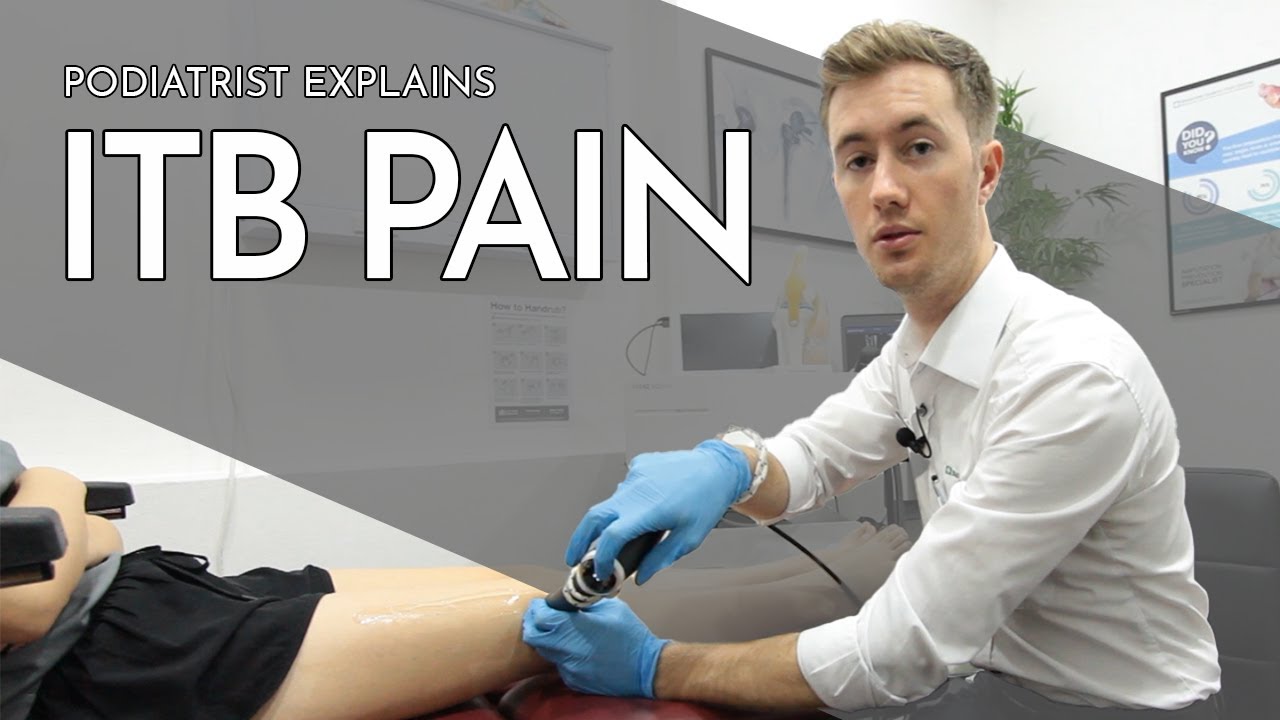
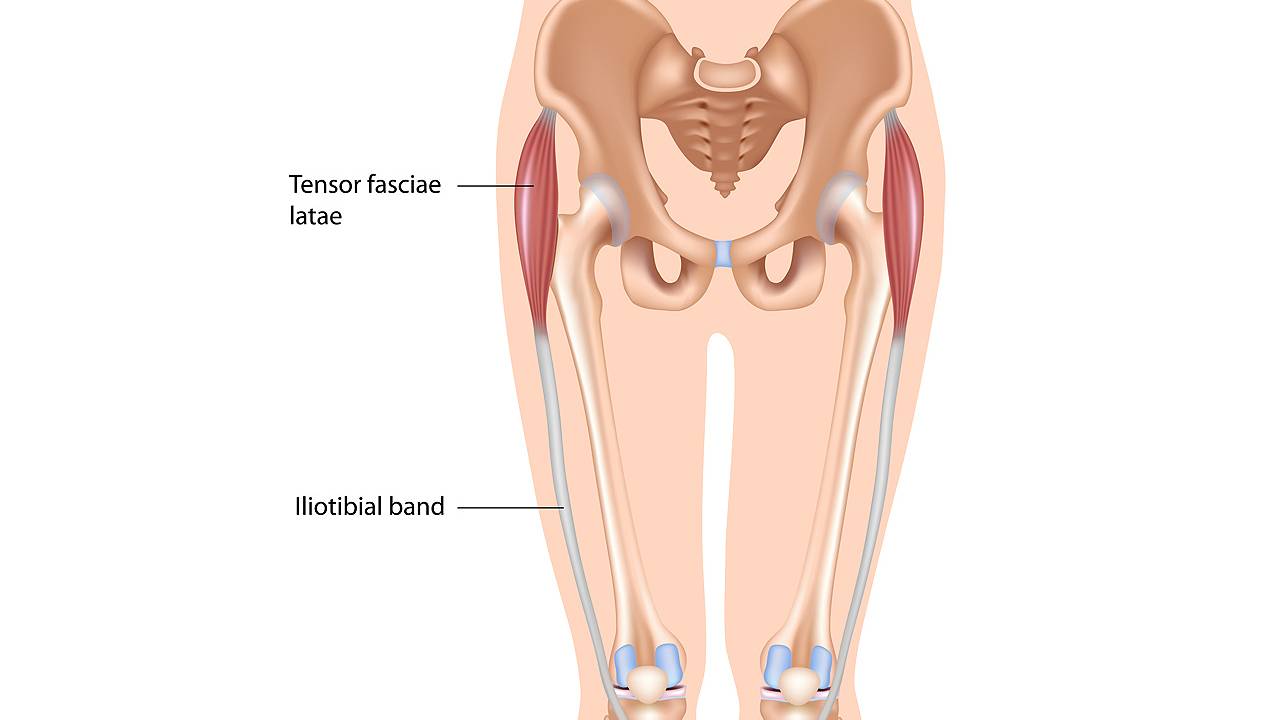
Iliotibial band friction syndrome, or ITB syndrome, is a common injury among runners and cyclists that is typically caused by the repetitive bending motion of the knee. These movements cause increased friction to the lateral femoral epicondyle and the Iliotibial band (ITB), leading to injury.
Symptoms
- Burning pain at the level or just underneath the lateral femoral epicondyle
- Pain when bending the knee
- Pain with pressure
- Pain while running , increasing in intensity while running downhill
Causes
There are multiple causes of ITB syndrome, including but not limited to: pre-existing weakness of the hip abductor muscles or repetitive stress on the lateral femoral epicondyle and iliotibial tract these are considered non-traumatic overuse injuries and typically significant in runners and cyclists because of the nature of these sports, demanding high intensity and consistent knee flexion and extension movements during cycling and running.
Risk factors:
- Weakness of hip abductor muscles
- Repetitive bending of the knee
- Frequent cycling and running
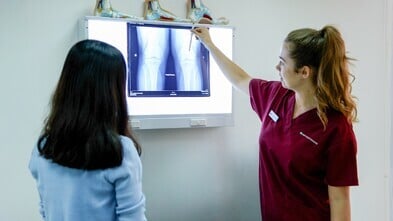
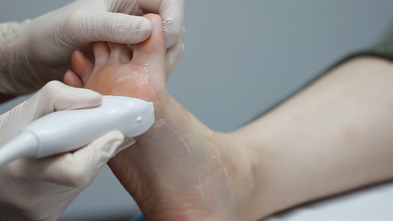
Fracture cases often be managed without surgery, but patients must rest and immobilise their injured area ifor 4 to 8 weeks. Diagnostic tools such as ultrasound or X-rays provide detailed images of the injury to guide therapy. More severe fractures may require surgery. It is important to seek podiatry care, if unaddressed or delayed can lead to prolonged recovery and complications.
Managing ITB Syndrome
The first thing to do is to avoid further strain to the Iliotibial band.
You can try the R.I.C.E method at home:
- Rest the injury by cutting back on daily activities.
- Ice the injury using an ice pack for 15 minutes several times a day calms down the damaged tissue and slows down blood flow to an injury, reducing swelling, inflammation and controlling the pain in the knee.
- Compress using an elastic wrap or bandage.
- Elevate the affected limb to reduce the swelling.
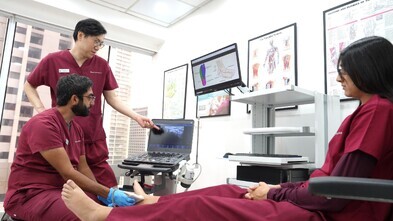
If there is no improvement of your symptoms and swelling persists after 7-10 days, it is best to seek professional help. A podiatrist can provide an accurate diagnosis of your problem and offer conservative approaches to manage the symptoms effectively.
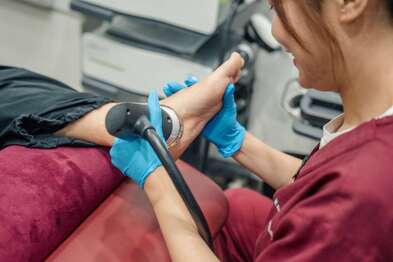
Managing ITB Syndrome may include focal shockwave therapy to stimulate healing of the muscle and reduce pain. Customised orthotics may be prescribed to support your foot and prevent further aggravation of the injured area as well as to offload the area and allow for your daily activities to continue with a shortened recovery time.