

Sever’s Disease
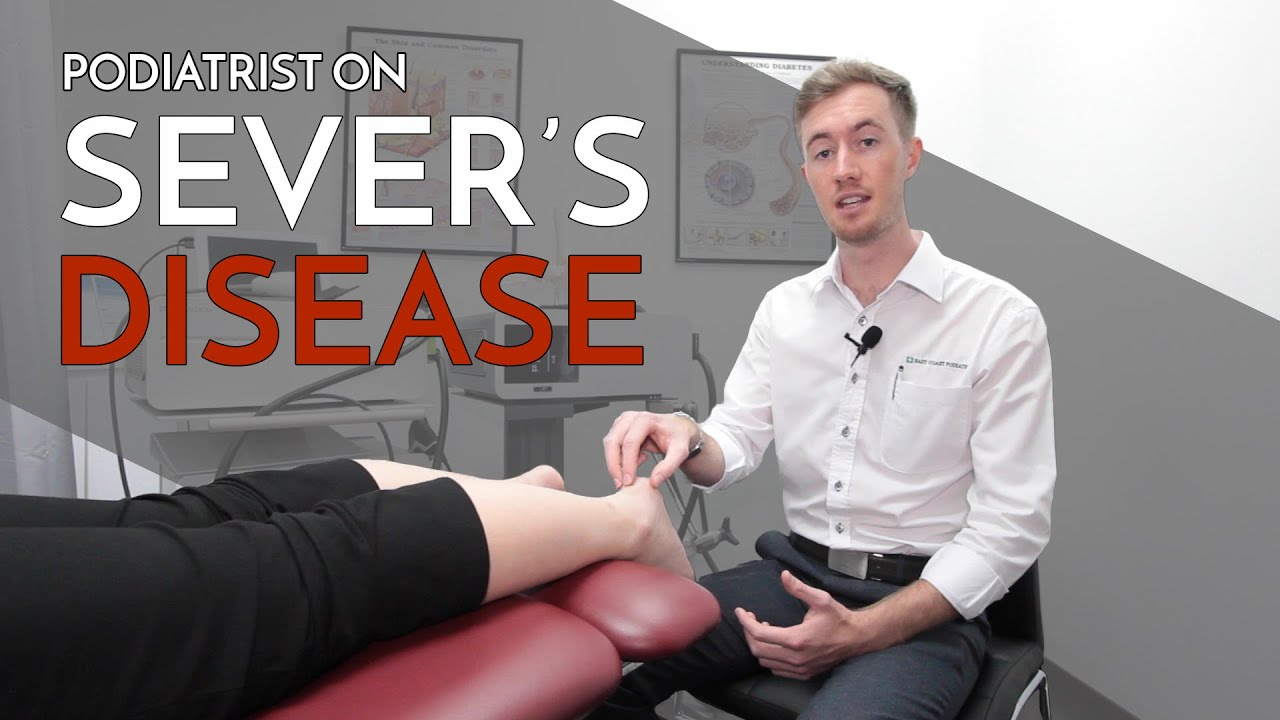
Sever’s Disease, also known as calcaneal apophysitis, is a very common cause of heel pain in children that affects the growth plate in the calcaneal bone at the back of the heel. This condition can affect one or both heels and is caused by repetitive stress to the heel. Typically this affects children ages 7-12 years old.
A child’s foot is constantly developing and the extra activities that students in Singapore frequently participate in exposes them to the risk of Sever’s disease. Activities that can worsen symptoms include jumping, running and other high impact activities.
Although this condition is related to the growth of the child and is therefore self-limiting, the child may eventually grow out of it. As the condition affects each child differently, the condition may last several years or more. During this period, if left unresolved, the child may experience immense pain, limiting their activities and making it difficult for him/her to complete daily tasks.
Causes
During growth spurts, a child’s heel bone often grows faster than the muscles and tendons in the leg. This causes the muscles and tendons to be stretched out as they are unable to keep up, causing tightness and loss of flexibility. In particular, the Achilles tendon is attached to the growth plate and puts further pressure on it, damaging the growth plate over time, and causing the pain and swelling commonly associated with Sever’s disease.
Symptoms
The most common symptoms are:
- Heel pain
- Tenderness underneath the heel
- Swelling of the heel
- Difficulty walking
- Discomfort or stiffness in the morning
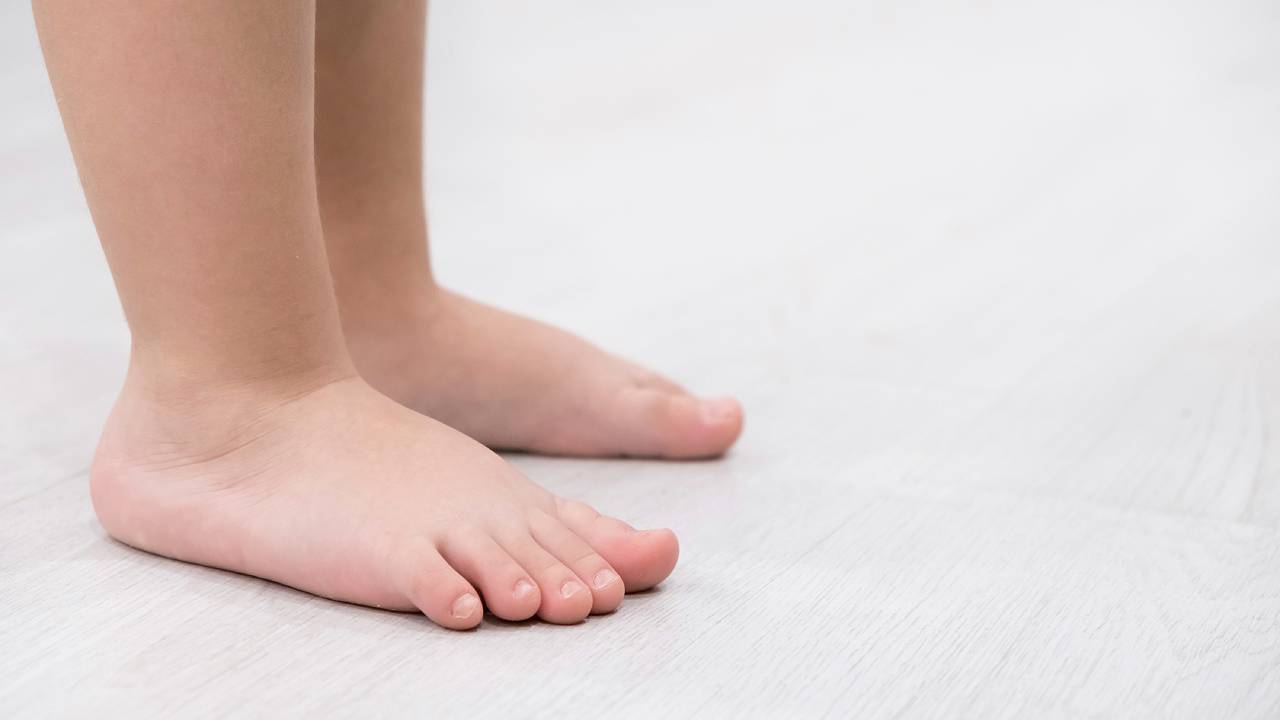
Sever’s disease management
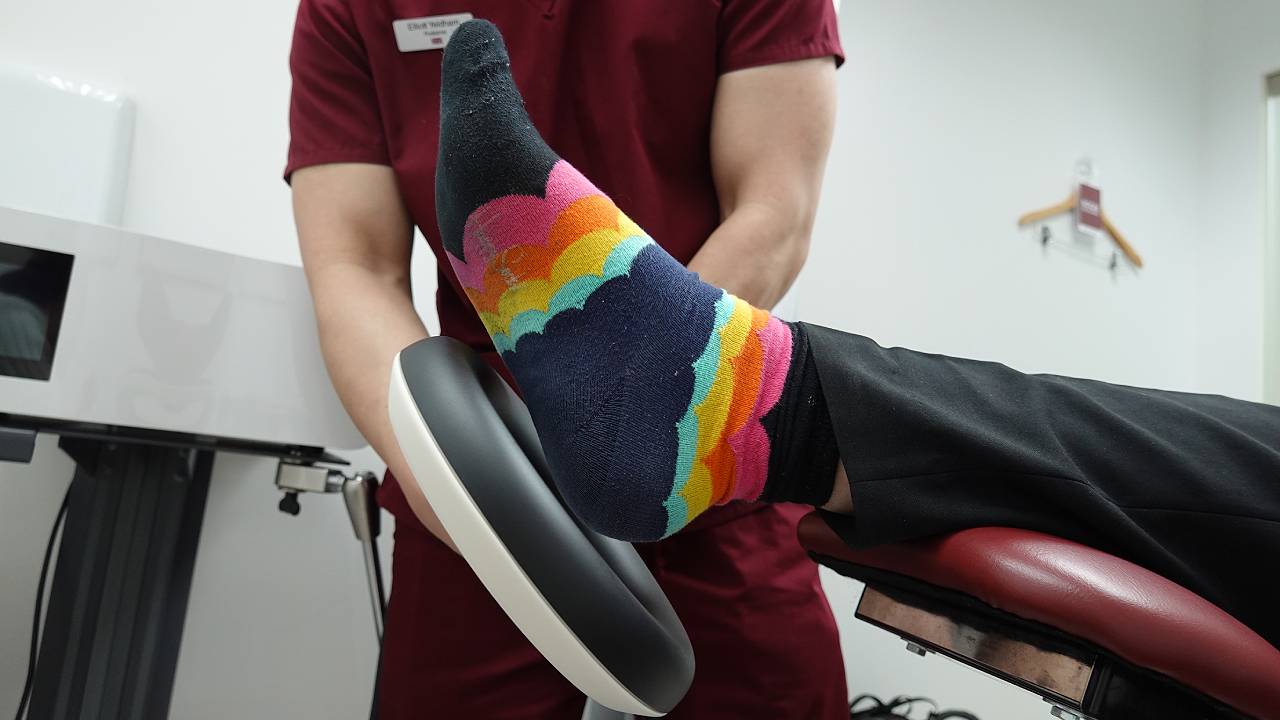
Managing Sever’s disease requires a multi-pronged approach
- Reduce swelling and inflammation
- Reduce pressure on the area
- Stabilise the heel
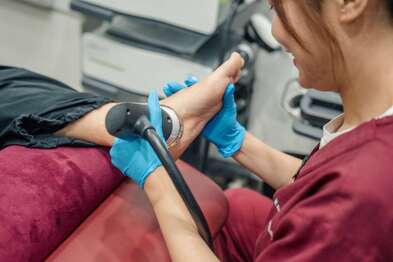
The first step is to work on reducing pain and swelling. This can be accomplished in a number of ways including, but not limited to, administering the R.I.C.E protocol and reducing exercise activity. Specialised modalities such as shockwave therapy, PEMF therapy, or Magnetolith therapy are also quick-acting solutions for reducing pain and swelling.
The second objective is to reduce the pressure on the growth plate to prevent the condition from recurring. This can be accomplished through the use of orthotics to provide increased support for the foot, reducing pressure while allowing the child to continue with their daily activities.
Please bear in mind that there are multiple differential diagnosis available for paediatric heel pain and as such a thorough examination should be carried out to ensure the cause of the heel pain is determined. If your child is suffering with heel pain or feels their heel is hindering their activities, please know there are solutions available with your podiatrist.