




Thursday, 18 June 2026
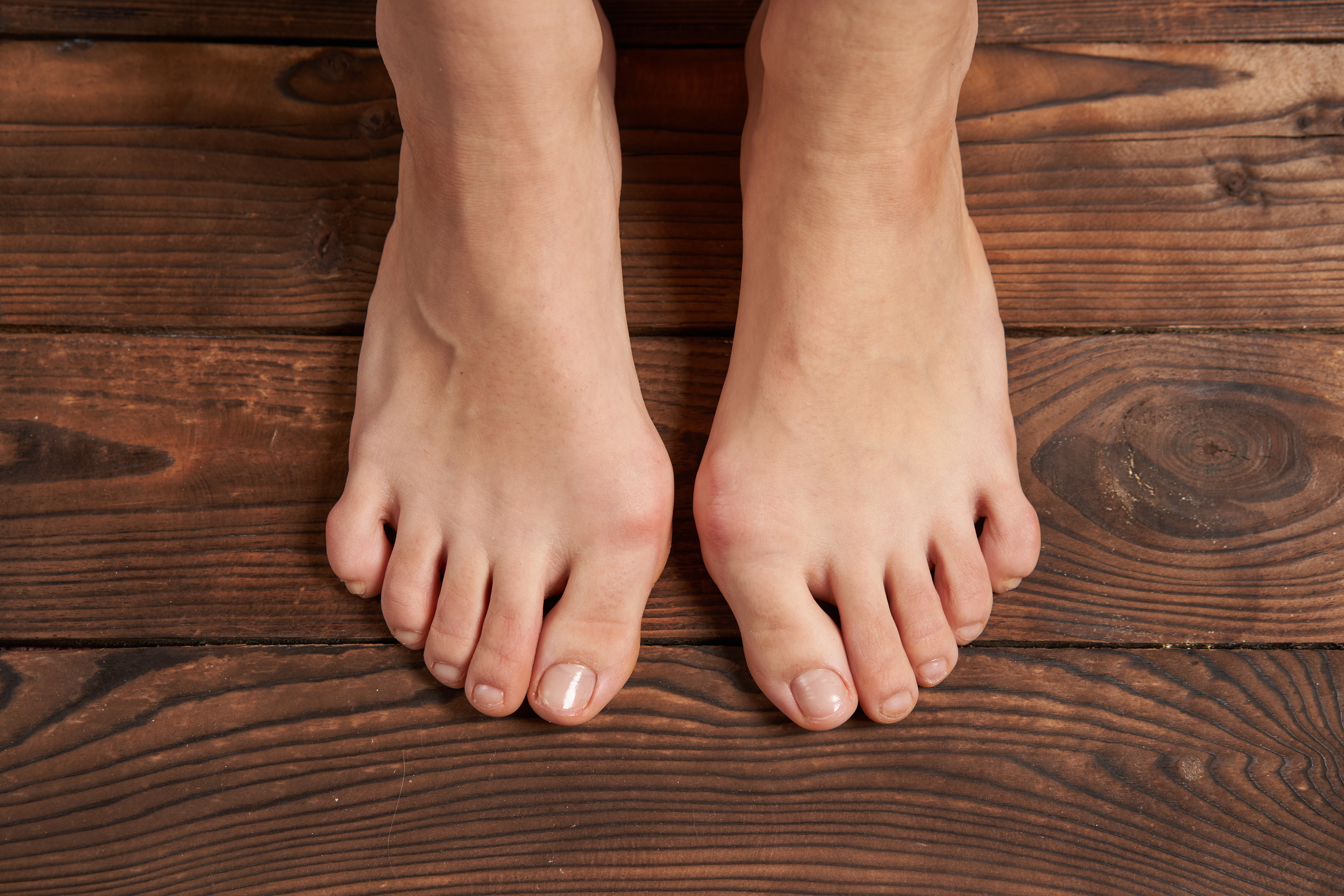
If you've noticed a painful bump forming at the base of your big toe, you're not alone. Bunions are one of the most common foot conditions treated by podiatrists, affecting millions of people worldwide.
Many people assume that surgery is the only solution. As a result, we've seen patients resort to all sorts of home remedies to "fix" their bunions, from toe spacers, bunion splints to regular icing and daily foot soaks. While some of these methods may relieve pain, it rarely does any real fixing to the root problem.
This raises an important question: can a bunion actually be fixed without surgery?
What Is a Bunion? 
A bunion is a structural deformity that occurs when the big toe gradually shifts toward the second toe, causing the joint at the base of the toe to protrude outward. It can also exist as Tailor's bunions where the bunion develops along the outer edge of the foot instead. Like traditional bunions, both are progressive structural deformity involving changes in the alignment of the bones and joint.
As the condition worsens, it can lead to pain, inflammation, difficulty fitting into shoes, and even changes in the way you walk.
What Happens If a Bunion Is Left Untreated?
Bunions often develop gradually over many years. In the early stages, they may only exist as a occasional discomfort or a difficulty finding when finding comfortable shoes. Most people ignore it but over time, the deformity can worsen.
As the bunion progresses, you may experience:
- Increased pain and tenderness around the joint
- Swelling and inflammation
- Corns or calluses caused by toe crowding
- Reduced mobility of the big toe
- Individuals who frequently use communal changing facilities
- Changes in walking pattern and balance
For some individuals, untreated bunions can eventually interfere with everyday activities such as walking, exercising, or standing for prolonged periods.
Non-Surgical Treatment Options for Bunions
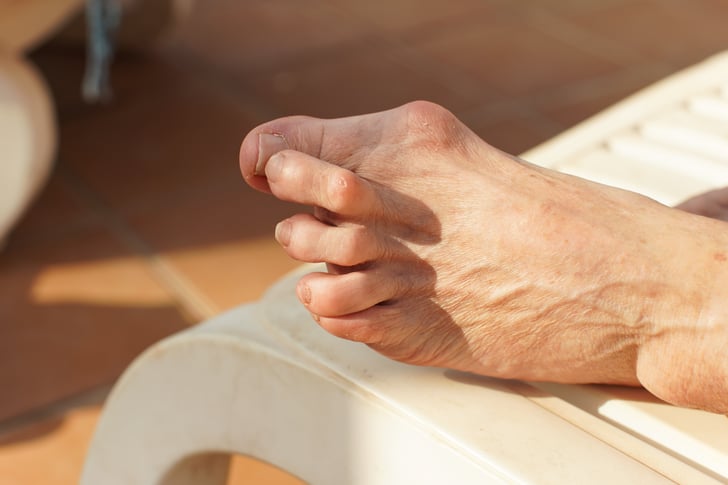
Although conservative treatments cannot reverse a bunion, they can significantly reduce pain and improve function.
1. Wearing the Right Footwear
One of the simplest and most effective ways to manage bunion discomfort is to choose shoes that accommodate the shape of your foot.
Look for shoes that offer:
- A wide toe box
- Soft, flexible upper materials
- Good arch support
- A low heel height
Narrow shoes and high heels place additional pressure on the bunion and may worsen symptoms over time.
2. Custom Orthotics
Abnormal foot mechanics can contribute to bunion development and progression. Custom orthotics are designed to support the foot, improve alignment, and reduce excessive stress on the big toe joint.
While orthotics won't make a bunion disappear, they can help relieve pain and improve walking comfort.
3. Padding and Toe Spacers
Bunion pads and toe spacers are commonly used to reduce pressure and friction between the foot and footwear.
Look for shoes that offer:
- Toe stretches
- Toe-spreading exercises
- Picking up small objects with the toes
- Calf and foot flexibility exercises
It's important to understand that these products do not permanently correct the bunion itself.
4. Exercises and Stretching
Maintaining mobility and strength in the foot can help improve overall function.
Simple exercises may include:
- Cushioning the affected area
- Reducing rubbing inside shoes
- Improving comfort during daily activities
It's important to understand that these products do not permanently correct the bunion itself.
5. Personalised Treatment Plans
Because every bunion is different, treatment should be tailored to the individual. A podiatrist can assess your condition and recommend the most appropriate combination of treatments tailored to your needs and daily activities.
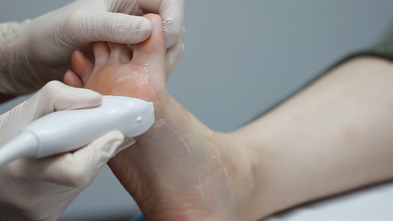
For patients with persistent pain, treatments such as Extracorporeal Shockwave Therapy (ESWT) may also be considered. The goal is to improve comfort, maintain mobility, and help slow the progression of the bunion.
When Is Surgery the Best Option?
Surgery is generally considered when conservative treatments no longer provide sufficient relief.
You may benefit from a surgical assessment if:
- Pain is affecting your daily activities
- Walking becomes increasingly difficult
- You struggle to find comfortable footwear
- The deformity continues to worsen
- Other treatment options have failed to control symptoms
Modern bunion surgery focuses on correcting the underlying alignment of the bones and restoring function to the foot. Getting professional advice and your condition assessed for severity of the deformity is the best call when in doubt.
Why Early Treatment Matters
Early treatment is especially important for people with bunions.
Many patients simply learn to live with their bunion pain, hoping it will eventually settle on its own. Unfortunately, bunions are unlikely to disappear without treatment and often become more pronounced over time. Seeking professional advice early can help manage symptoms more effectively, maintain mobility, and potentially slow the progression of the deformity.
As a result, many people only seek professional help when their symptoms become severe. However, the earlier a bunion is assessed, the easier it is to develop an effective management plan that keeps you comfortable, active, and moving with confidence.
Early assessment also provides access to a wider range of treatment options and may help slow the progression of the condition.
When Should You See a Podiatrist?
While a bunion cannot usually be permanently corrected without surgery, many people achieve excellent symptom relief through conservative treatment. Proper footwear, custom orthotics, activity modification, and podiatric care can all play an important role in managing pain and maintaining mobility.
If you're experiencing bunion pain or have noticed changes in the shape of your foot, don't hesitate any longer.
An early podiatry assessment might just save you from that surgery.