

Wednesday, 13 May 2026
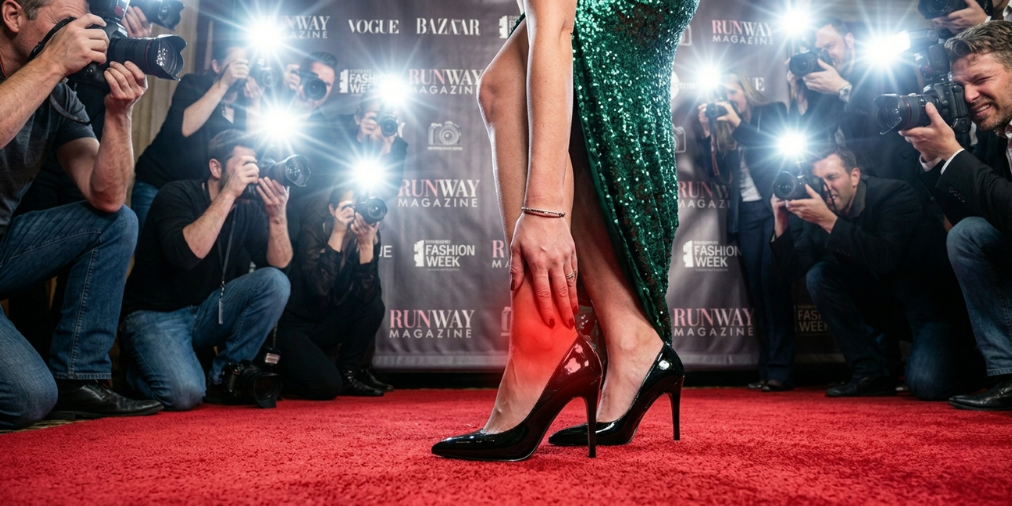
The world of high fashion has always celebrated posture, poise, and the confident stride, often achieved in footwear that prioritises aesthetics over comfort. With renewed attention with the recent movie release The Devil Wears Prada 2 and the ongoing influence of red-carpet fashion events like the Met Gala, high heels continue to symbolise elegance, authority, and endurance.
From towering stilettos to sculptural runway footwear, fashion culture frequently normalises the idea that discomfort is simply part of looking polished. Miranda Priestly herself would likely describe pain as a "minor inconvenience in pursuit of perfection."
But in clinical practice, the story looks very different.
Heel pain is one of the most common foot complaints seen across a wide range of patients—from professionals in formal workplaces to retail staff, healthcare workers, runners, and even individuals simply walking long distances daily in unsupportive footwear. What many people dismiss as temporary soreness can gradually progress into chronic plantar fasciopathy, fat pad irritation, tendon overload, or stress-related injuries.
Contrary to popular belief, heel pain is no longer just a sports injury. Increasingly, it reflects the cumulative effects of modern lifestyles, workplace demands, footwear choices, and urban living habits.
Fashion, Footwear & The Biomechanics of Heels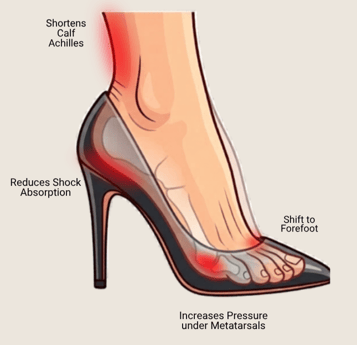
Fashion footwear has long been associated with sophistication and confidence, but from a biomechanical perspective, high heels significantly alter the way the body distributes force through the foot.
When heel height increases, body weight shifts forward onto the forefoot. This changes normal gait mechanics, increases pressure beneath the metatarsals, and reduces the foot’s ability to absorb shock efficiently. Over time, prolonged heel use may also shorten the calf muscles and the Achilles tendon, limiting ankle mobility and increasing strain on the plantar fascia when transitioning back into flatter footwear.
This effect becomes especially noticeable after extended events such as weddings, corporate functions, or fashion-related occasions where patients may spend hours standing or walking in heels. While these footwear choices are often worn intermittently, even short periods of excessive loading can aggravate symptoms in individuals with pre-existing calf tightness, flat feet, reduced ankle flexibility, or underlying plantar fascia strain.
“The Cerulean Effect”: How Culture Influences Foot Pain
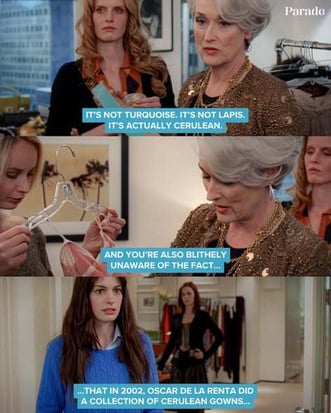
One of the most memorable moments in The Devil Wears Prada is Miranda Priestly’s monologue explaining the difference between blue hues (particularly the colour Cerulean) and about the fashion trends quietly influence everyday consumer choices. The same principle can also apply to footwear and foot health.
Modern fashion cycles, driven by celebrity culture, social media, runway events, and influencer aesthetics often shape how people choose shoes in their daily lives. Many footwear choices are influenced more subtly than we realise. Becoming more selective about footwear, not just aesthetically, but also functionally may help reduce unnecessary strain on the feet over time. In many cases, paying attention to features such as stability, cushioning, and appropriate support can make a huge difference between footwear that simply looks good and footwear that also supports long-term foot health, much like identifying "Cerulean" from just blue.
In Singapore, this becomes particularly relevant due to the climate and lifestyle environment. Slides, sandals, and lightweight footwear are practical choices in humid weather and are often considered a "must-have" footwear in our country. Prolonged use of these types of footwear especially without adequate support may contribute to repetitive strain through the heel and arch.
The issue is not fashion itself. Rather, it is the cumulative behavioural effect that fashion trends create. Repeated exposure to unsupportive footwear, combined with prolonged standing or walking, can gradually increase stress on structures such as the plantar fascia and calcaneal fat pad. Fashion does not directly cause heel pain but it often influences the habits that determine how we select our footwear.
When Workwear Also Becomes Wear and Tear
While fashion-driven heel pain receives attention culturally, occupational heel pain is often the more clinically significant issue.
Many professions in Singapore involve prolonged standing and walking on hard surfaces. Healthcare workers, retail employees, hospitality staff, teachers, beauty professionals, and service industry workers frequently spend long hours on their feet with limited opportunities for recovery.
Certain workplace dress expectations may also contribute to the problem. Formal footwear with inadequate cushioning, narrow toe boxes, or elevated heels can also alter pressure distribution through the foot, particularly during extended standing periods.
Unlike athletic injuries that arise from sudden overload, occupational heel pain typically develops gradually through repetitive low-grade stress. Continuous loading on the calcaneal fat pad and plantar fascia may lead to microtrauma, tissue irritation, and chronic inflammation-like degeneration over time.
Singapore’s urban environment further amplifies these stresses. Daily MRT commuting increases overall step counts, while hard concrete walking surfaces reduce natural shock absorption. Combined with long working hours and fast-paced schedules, many patients continue functioning through early symptoms until pain begins affecting daily mobility.
By the time they seek treatment, the condition is often no longer acute, it has become chronic.
What Patients Often Misunderstand About Heel Pain
One of the most common misconceptions surrounding heel pain is the assumption that all heel pain is simply “plantar fasciitis.”
In reality, heel pain can arise from multiple different structures and conditions. While plantar fasciopathy remains common, other causes may include:
- Calcaneal fat pad irritation
- Achilles tendinopathy
- Nerve entrapment conditions such as tarsal tunnel syndrome
- Stress reactions or stress fractures
- Referred pain from inflammation of the foot or ankle
Another misconception is that complete rest alone will resolve symptoms. While temporary activity modification may help during flare-ups, prolonged inactivity often weakens the foot and calf complex further. Effective management usually involves appropriate load modification, strengthening, mobility work, and addressing contributing biomechanical factors.
Patients are also often surprised to learn that heel pain is not limited to runners or athletes. In many cases, occupational demands, footwear habits, body mechanics, and lifestyle patterns play a greater role than sport itself.
Just as fashion trends are layered and multifactorial, the causes of heel pain are rarely explained by a single factor alone.
Modern Footwear Trends... Help or Harm?
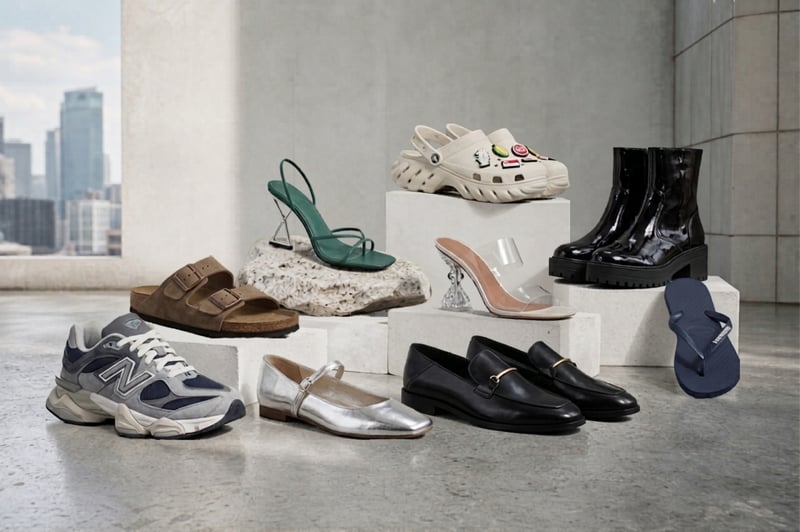
The relationship between fashion and heel pain is rarely direct. But that does not mean that fashionable and modern footwear should be avoided. As consumers, we can however, be selective on the types of footwear and balance aesthetics with comfort, support and physical demands.
Here's what to look out for:
Adequate Cushioning and Shock Absorption
Shoes with moderate cushioning may help reduce repetitive impact forces during prolonged standing and walking, particularly on hard urban surfaces such as concrete flooring commonly encountered in Singapore.
Stable Heel Support
A firm heel counter, the structured portion surrounding the back of the shoe, can improve rearfoot stability and reduce excessive motion during walking.
Footwear that collapses too easily around the heel may increase strain on soft tissue structures, especially in individuals with flatter foot mechanics or poor lower limb control.
Appropriate Arch Support
Arch support requirements vary significantly between individuals. While not everyone requires aggressive support, footwear that provides some degree of midfoot stability may help reduce excessive strain on the plantar fascia during weight-bearing activities.
Importantly, support should feel comfortable and functional rather than overly restrictive.
Sufficient Toe Box Width
Footwear with a narrow toe box may compress the forefoot and alter normal pressure distribution during gait. Shoes that allow the toes to spread more naturally may improve balance, load distribution, and overall comfort during prolonged wear.
Gradual Transition Into Minimalist Footwear
Minimalist and barefoot-style footwear are not inherently harmful, but transitioning too rapidly may overload tissues that are not adequately conditioned for increased demand.
Patients considering minimalist footwear should generally transition progressively, allowing sufficient time for the foot and calf complex to adapt gradually to altered loading patterns.
Footwear Red Flags to Watch Out For
Certain footwear characteristics may increase the likelihood of irritation or overload, particularly when worn for extended periods:
- Extremely thin or unsupportive soles
- Worn-out cushioning or uneven shoe wear
- Poor heel stability
- Excessively rigid or excessively flexible footwear
- Narrow toe boxes causing compression
- Shoes chosen primarily for appearance despite discomfort
- Sudden changes in footwear style without adaptation
In many cases, discomfort is not caused by a single pair of shoes alone, but by the cumulative effect of repetitive loading combined with insufficient recovery and support.
Conclusion: What This Means for Patients
Heel pain is rarely caused by a single moment or single shoe. More often, it develops gradually through the interaction between lifestyle, footwear, occupation, biomechanics, and repetitive loading patterns.Whether influenced by fashion trends, workplace demands, prolonged standing, or evolving footwear movements, heel pain reflects how modern living continuously shapes the way our feet function.
Early intervention is important. Persistent heel pain that lasts beyond several weeks should not be ignored, particularly when symptoms begin affecting walking tolerance, standing comfort, or daily activities. Addressing symptoms early may help prevent progression into chronic degeneration and prolonged recovery periods.
Ultimately, footwear should be selected not only for appearance, but also for function, support, and the demands placed on the body throughout the day. Combined with strengthening, mobility work, and appropriate load management, these factors play a critical role in both treatment and prevention.
In fashion, shoes complete an outfit. In podiatry, they often explain the pain and complete the diagnosis.
When Should You Seek Professional Assessment?
If you experience:
- Heel pain lasting longer than 2–3 weeks
- Pain during the first steps in the morning
- Increased discomfort after prolonged standing or walking
- Pain affecting work, exercise, or daily mobility
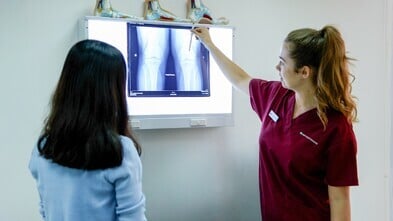
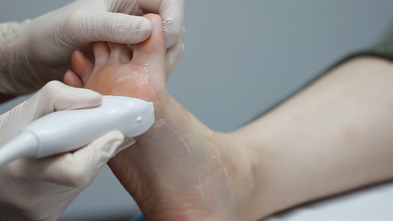
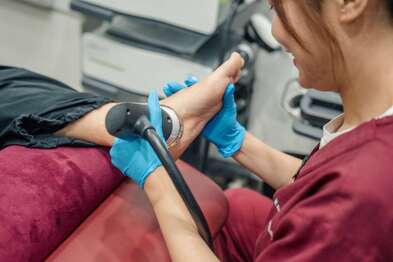
A podiatric assessment may help identify the underlying cause and contributing biomechanical factors. Depending on the diagnosis, treatment may include footwear recommendations, gait analysis, strengthening programmes, activity modification, shockwave therapy, or customised orthotic intervention tailored to your individual needs.
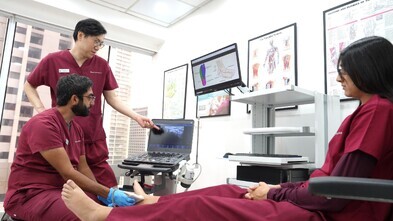
At East Coast Podiatry, we utilise scientifically proven methods of analysis combined with thorough examination and personalised care of each patient to better address the root problems causing the issues instead of just symptom relief.