

Wednesday, 05 November 2025
Fungal Toenail vs Paronychia: Know the Key Differences
Singapore’s warm, humid climate creates fertile ground for nail issues. Podiatrists often distinguish between toe fungal infection and paronychia—conditions that may look similar, but affect different parts of the nail.
Knowing which is which is crucial for accurate care and effective foot hygiene.
What Is a Fungal Toenail?
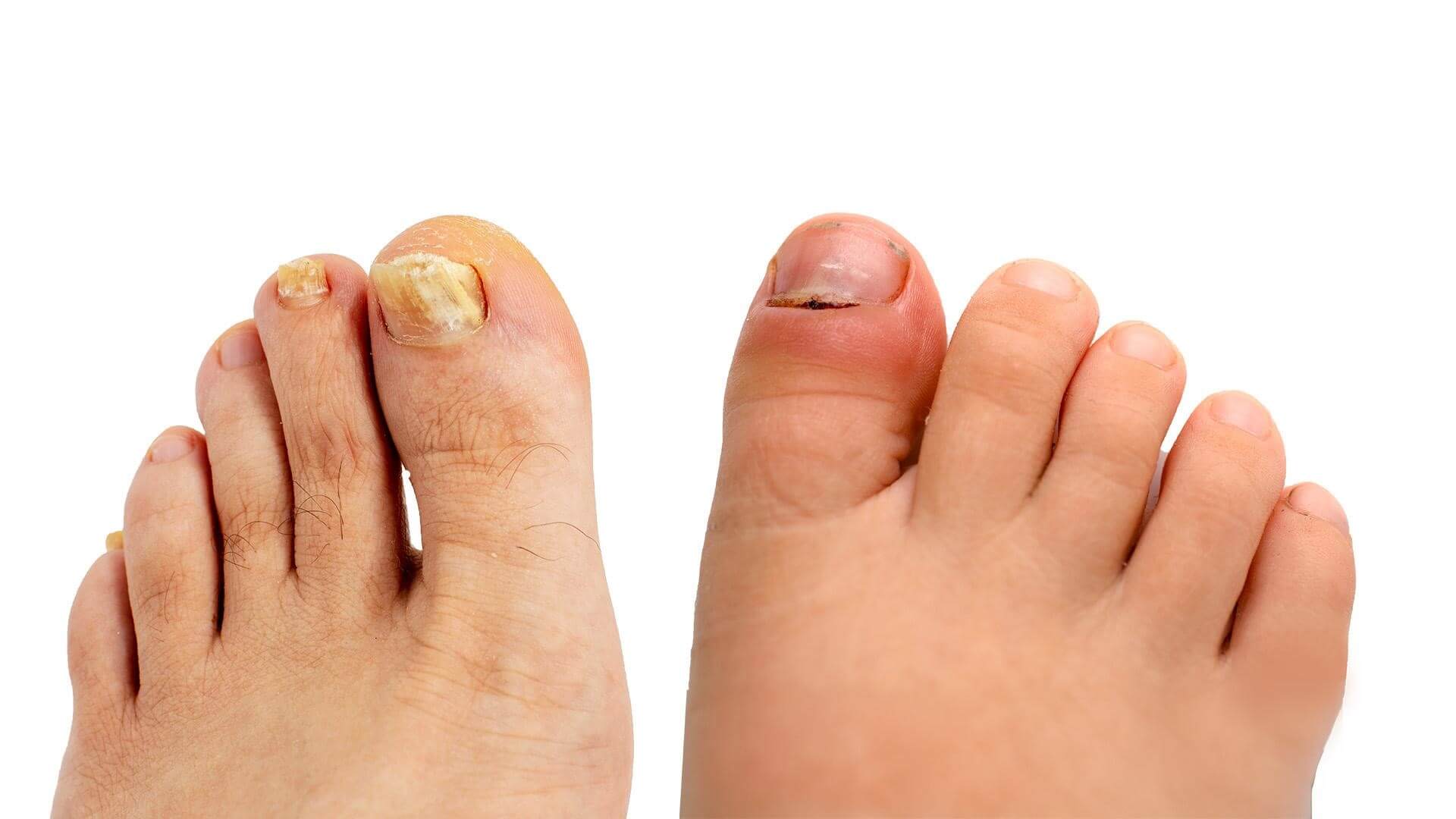
Known medically as onychomycosis, this is a fungal invasion of the nail plate and bed. Common signs include thickening, yellowish or brown discolouration, onycholysis (nail lifting), and crumbling edges. Singapore’s high humidity and frequent use of enclosed footwear only amplify the risk.
What Is Paronychia?
Paronychia affects the skin folds around the nail (nail folds or cuticle region), not the nail itself. It can be acute, with rapid onset causing redness, swelling, warmth, and pus, or chronic, which develops over weeks. Causes include nail biting, hangnails, frequent water exposure, and trauma from nail care.
Key Differences at a Glance
| Feature | Fungal Toenail (Onychomycosis) | Paronychia |
|---|---|---|
| Location | Nail plate or bed | Skin around nail fold |
| Visual Signs | Thick, discoloured, crumbly nail | Swollen, red, tender skin edge, may ooze |
| Onset | Gradual nail changes over months | Sudden skin symptoms over days |
| Common Causes | Fungal spores, athlete’s foot, warm, damp settings | Trauma like hangnails, manicures, prolonged moisture |
Shared Risk Factors
- Humidity & moisture: Fungus thrives; constant wet feet soften skin.
- Trauma/poor foot care: Inappropriate nail trimming, nail-biting, harsh pedicures.
- Public spaces: Communal pools, showers, and gyms increase fungal exposure.
What to Look Out For
Fungal Toenail
- White, yellow, or brown-decoloration
- Nail thickening and brittleness
- Debris beneath the nail plate
- Nail lifting away from the bed
Paronychia
- Tender, tender, red skin around a nail fold
- Warmth and swelling
- Blister or pus formation
- Changes to nail shape due to ongoing inflammation
Toenail Issues Management
Non‑invasive Nail Care
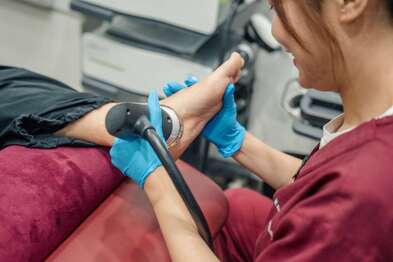
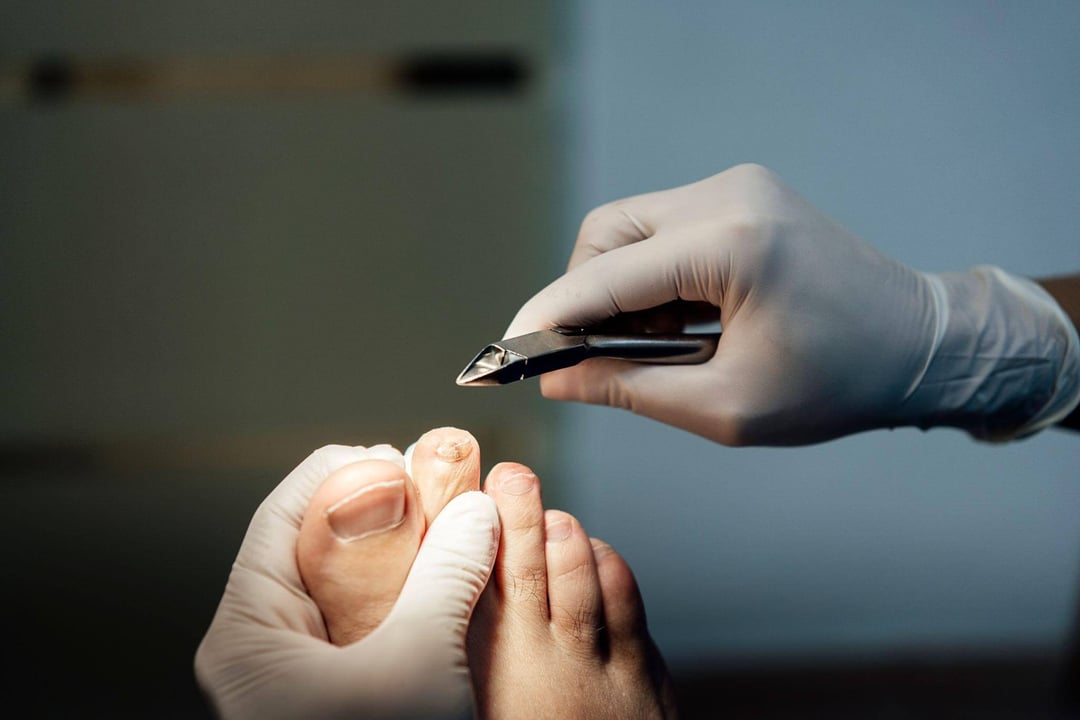
- Photodynamic Antimicrobial Therapy (PACT)—a light-based option ideal for moderate fungal cases to avoid potential side effects from oral medication.
- Nail bed care and possible gentle drainage for paronychia to relieve skin-surface pressure.
Specialised Interventions
- For stubborn fungal nails: deeper influence options like oral antifungals and occasional nail avulsion in severe cases.
- Paronychia that does not resolve may require combined topical agents or careful skin fold removal.
Education & Guidance
- Foot hygiene routines tailored to Singapore’s conditions
- Advice on shoe material, sock changes, nail trimming, and cuticle care
Prevention & Foot-Care Habits
1. Wash and dry your feet thoroughly every day
Clean your feet daily with soap and water to remove dirt, sweat, and bacteria. Be sure to dry them completely especially between the toes to prevent fungal infections like athlete’s foot.
2. Change socks regularly
Put on a fresh pair of socks at least once a day, or more often if your feet sweat heavily. This helps keep your feet dry and reduces the risk of bacterial or fungal growth.
3. Wear breathable shoes and rotate pairs
Choose footwear made of breathable materials such as leather or mesh to improve airflow. Alternating between pairs gives shoes time to dry out and reduces moisture buildup that can lead to foot odour and infections.
4. Trim toenails straight across
Cut your toenails straight across. Avoid trimming them too short or pushing back cuticles too aggressively, which can damage the nail bed and increase infection risk.
5. Disinfect your nail tools and don’t share them
Always clean and sanitise grooming tools before and after use. Sharing items like nail clippers or files can spread fungal infections and other contagious conditions.
When to Reach Out
Seek podiatric assessment if you experience:
- Nail discolouration or surface changes worsening over weeks
- Persistent skin pain, swelling, pus, spreading redness
- Nail deformities or recurring skin issues
- Any foot condition that affects mobility, comfort, or daily life
Conclusion
Even in Singapore’s humid climate, understanding and differentiating between fungal toenails and paronychia is possible. One affects the nail plate; the other affects the surrounding skin. Spotting the signs early—and adopting proper nail care routines—puts you in control. At East Coast Podiatry Clinic, we offer tailored assessment plans, skin-and-nail care practices, and advanced therapies designed for tropical conditions. Preserve your nail health—book a consultation today!