

Friday, 05 June 2026
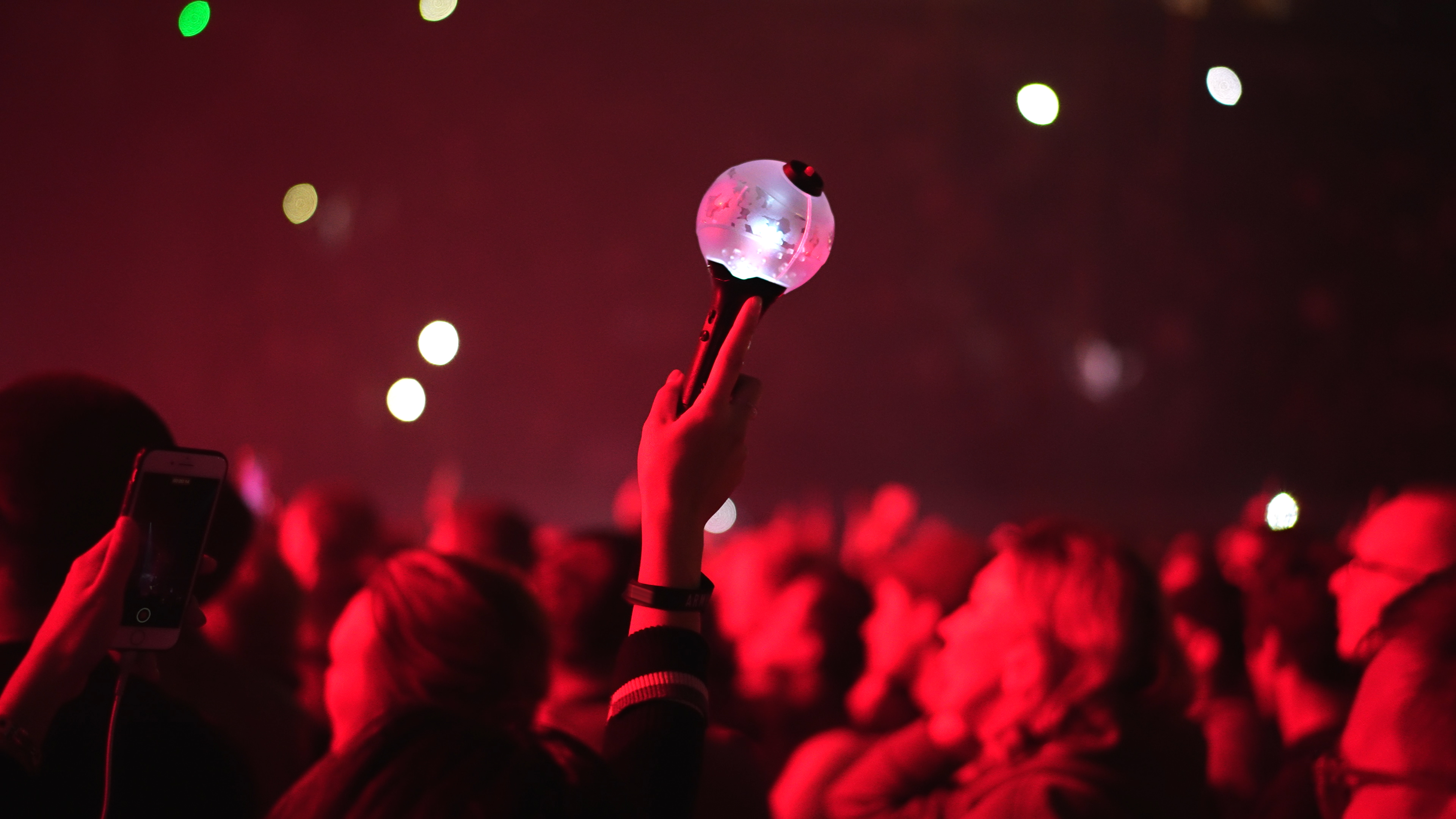
With excitement building around BTS ticketmaster queues and concert tickets becoming one of the hottest topics online, many fans are already planning their outfits, travel arrangements, and concert day essentials.
However, there's one thing that often gets overlooked: your feet.
Getting BTS tickets is one thing. Surviving the concert on your feet is another. Attending a major concert may not seem physically demanding at first, but many concert goers spend hours walking, queueing, standing, climbing stairs, and remaining on their feet throughout the event. For those with existing foot conditions, or those wearing the wrong footwear, this can lead to significant discomfort before the final encore.
Here's what you should know to keep your feet comfortable before, during, and after the concert.
Why Concerts Are Surprisingly Demanding on Your Feet
A concert is rarely just a two/three hour performance.
Most people do not think of attending a concert as physically demanding, but the reality is that your feet take a significant amount of stress that goes beyond the performance hours. Between the long queues before the gates open, hours of standing on hard stadium floors, sudden bursts of jumping and dancing, and the walk back to your transport afterwards, the total time on your feet can easily exceed six to eight hours.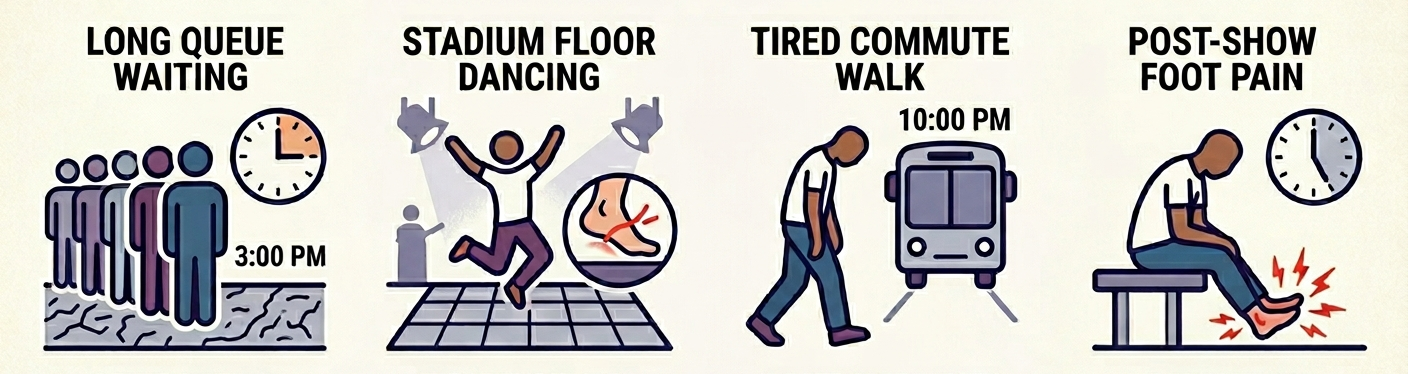
Unlike a typical day of walking, concert conditions stack several problems at once. Hard, unforgiving flooring offers no shock absorption. The crowd limits how freely you can shift your weight or move around. Many people choose footwear based on how it looks rather than how it supports the foot. And the excitement means most people are completely unaware of how much strain is building up until the concert ends and the adrenaline fades.
This is when the pain tends to hit.
Common Foot Problems Seen After Major Concerts
One of the most common causes of heel pain, plantar fasciitis occurs when the thick band of tissue supporting the arch of the foot becomes irritated.
Extended periods of standing can increase strain on the plantar fascia, especially if footwear lacks adequate support.
Symptoms may include:
- Sharp pain under the heel
- Pain when taking the first steps in the morning
- Discomfort after long periods of standing
The Achilles tendon works continuously while walking, standing, and climbing stairs.
Concert-goers who spend long hours on their feet may experience tenderness or stiffness at the back of the ankle, particularly if they are not accustomed to prolonged activity.
Metatarsalgia
Metatarsalgia refers to pain in the ball of the foot.
This condition is commonly aggravated by prolonged standing and footwear that does not distribute pressure evenly across the foot.
Hours of standing, walking, dancing, and jumping on hard stadium surfaces can place additional stress on the ankles and knees. As the muscles of the feet and legs become fatigued, they may provide less support and shock absorption, increasing the strain on nearby joints.
Symptoms may include ankle stiffness, knee discomfort, or even foot pain that develops during or after the concert.
Skin Irritation and Fungus Buildup
New shoes may look great for concert photos, but they are a common cause of painful blisters, skin irritation, calluses and fungus buildup.
Friction, heat, and moisture can quickly turn a fun evening into an uncomfortable experience.
Concert Tips To Prepare Your Feet for the Big Day

Here are some tips you can look out for, before and during the concert day:
1. Choose Comfort Over Fashion
While stylish footwear may complete an outfit, supportive shoes are often the better choice for concert events that involve extenstive walking and standing.
Look for footwear that:
- Provides adequate arch support
- Cushions impact
- Fits comfortably without rubbing
- Has already been worn and broken in
Avoid wearing brand new shoes for the first time at the concert, even though it is tempting.
2. Consider Supportive Insoles
Everyone's feet are unique and differences in foot structure can affect how pressure is distributed during prolonged standing and walking. For some individuals, especially those with flat feet, high arches, or a history of foot pain, supportive insoles may help improve comfort and reduce fatigue by providing additional support and cushioning.
3. Trim Your Toenails Beforehand
This may seem like a small matter but toenails are one of the "common injuiries" that result from concert events. This is particularly common when footwear is too tight or when there is insufficient room in the toe box or the toe nail is way too long, resulting in worse issues like trauma toenails, ingrown toenails, nail thickening and even fungal toenails.
4. Shift Your Weight Regularly
Standing static in one position for hours concentrates pressure on the same areas repeatedly. Make a conscious effort to move your weight from one foot to the other, roll gently from heel to toe, or take a few steps when the space allows.
Stretching the calves and plantar fascia can help relieve tightness that develops after prolonged standing.
5. Listen To Body
Pain is not always something to push through. If you begin experiencing significant discomfort, taking a brief rest may prevent symptoms from worsening.
If seating is available, short breaks can help reduce fatigue and improve circulation. Even a few minutes off your feet may make a noticeable difference later in the evening.
After the Concert: Help Your Feet Recover
Most discomfort after a concert should settle within 24 to 48 hours. However, how you handle the recovery period affects how quickly that happens.
Elevate Your Feet
If your feet feel swollen after the event, elevating them above heart level for a short period may help reduce swelling.
Gentle Stretching
Stretching the calves and plantar fascia can help relieve tightness that develops after prolonged standing.
Apply Ice If Needed
If you experience soreness or inflammation, applying an ice pack for short intervals may help manage discomfort.
Wear Supportive Footwear the Following Day
If your feet are feeling fatigued, avoid spending the next day in unsupportive footwear such as flat sandals or worn-out shoes.
Giving your feet proper support during recovery can make a meaningful difference.
When Should You See a Podiatrist?
While temporary soreness after a concert is generally expected, persistent pain is not.
If you experience:
- Pain is severe, localised, or worsening rather than improving after 48 to 72 hours
- Sharp heel pain with your first fews steps in the morning that persits beyond a few days
- Limping or altering in the way you walk
- Noticable swelling that does not reduce with elevation or rest
- Pain in the arch or ball of the foot
- Toenail that is traumatised, lifted or show signs of infection
- Numbness or tingling in the lower limbs
- Pain that affects your daily activities
- If you have existing diabetes or circulatory condition and got a foot wound during the event
It may be worth seeking a professional assessment.
Don't ignore the warning signs, early intervention can often prevent minor issues from developing into more persistent problems.
Don't Let Foot Pain Steal the Spotlight
Concert memories should last longer than foot pain. While hours of standing, walking, dancing, and queueing can take a toll on your feet, a little preparation can go a long way. If discomfort persists long after the concert ends, seeking professional advice may help prevent a minor issue from becoming a longer-term problem.
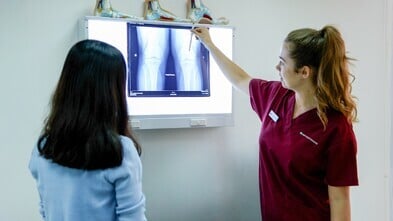
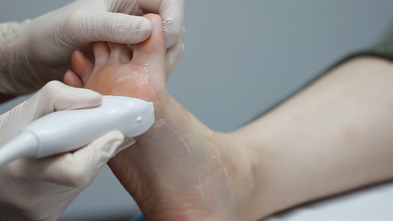
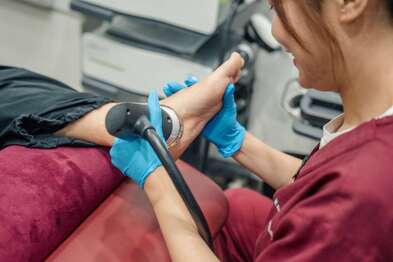
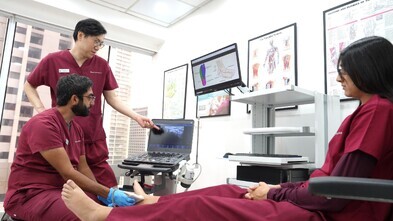
At East Coast Podiatry, treatment plans are tailored based on how your foot moves, functions, and compensates, not just where it hurts. Our podiatrists also utilise technologies such as ESWT, EMTT, rehabilitation strategies, and custom orthotics to support recovery and long-term stability.
If your foot continues to hurt or simply don't feel the same, its time to seek professional podiatry help.