

Wednesday, 07 January 2026

Walking is part of our everyday activities; whether it is going to work or to the store, or walking in a park. Most of us take numerous steps daily and perform them without thinking of how we are moving through space. It is not until we begin to feel discomfort that we notice how many times we have moved through the day.
But it is not as easy as it seems; by definition, it involves a complex and coordinated series of walking biomechanics movements that occur within your feet and the joints and muscles of your lower body, and how these functions are coordinated by your nervous system. Therefore, any inefficiency or lack of coordination within this gait function may lead to increased stress on the body and ultimately result in fatigue, discomfort, and/or injury over time, often with no prior warning. Read this article to understand the entire process and movement inefficiencies in detail.
Walking Is a Skill, Not Just a Habit
Many people assume walking is instinctive and therefore immune to dysfunction. It is a common belief that walking is such a natural thing that it cannot possibly go wrong
Factors that influence walking biomechanics include:
- Joint mobility
- Muscle strength and timing
- Previous injuries
- Foot structure
- Footwear and walking surfaces
As these variables shift, the body adapts. Sometimes those adaptations are good. Other times, they create stress in areas not designed to absorb it.
How Small Inefficiencies Create Big Problems
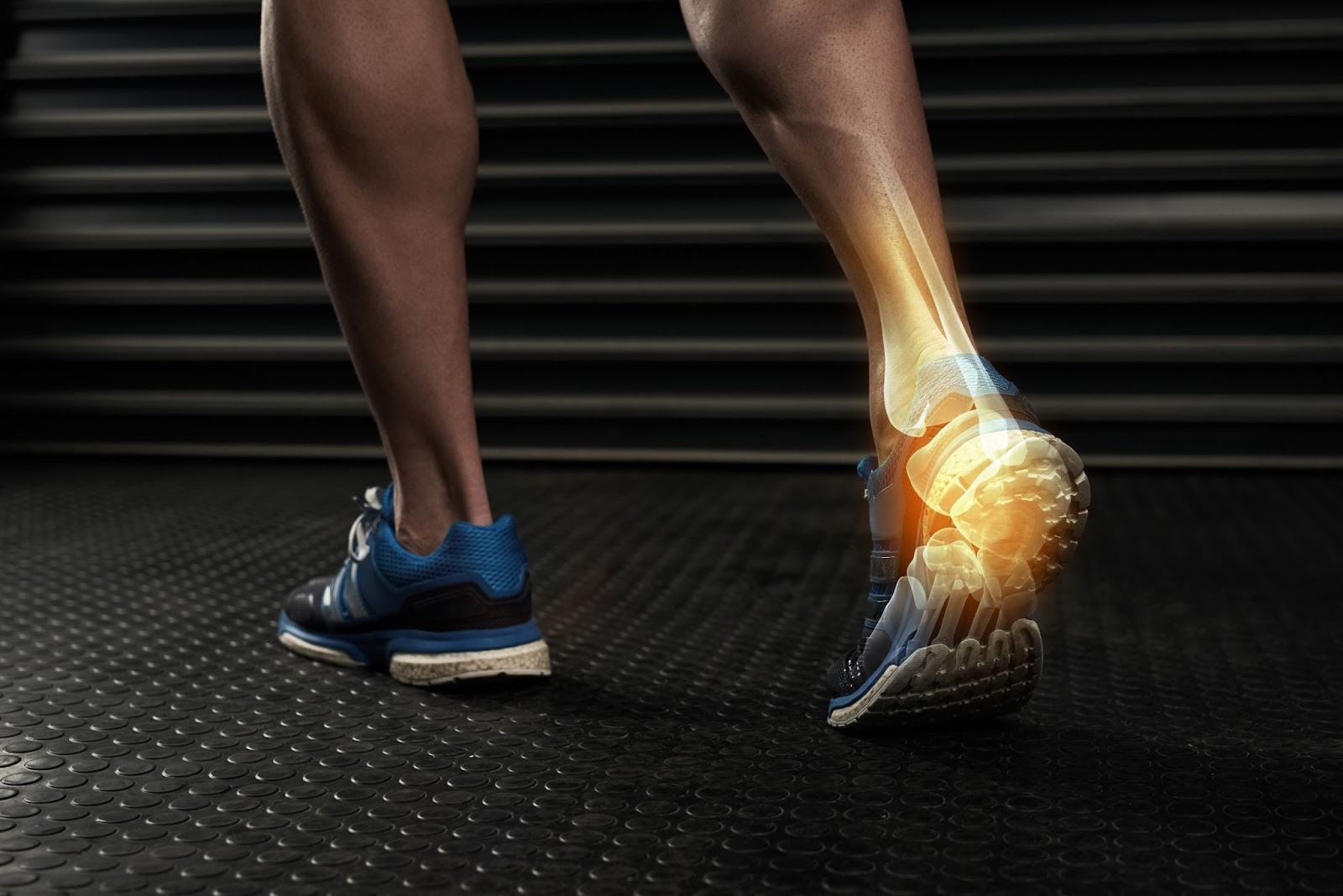
Most walking-related issues don’t cause immediate foot pain. Instead, they create micro-stresses, small loads repeated thousands of times a day.
Examples include:
- Reduced ankle movement increases strain on the foot arch
- Delayed muscle activation alters push-off mechanics
- Uneven weight distribution increases joint stress
Because these stresses are subtle, the body compensates. Pain only appears once tissues exceed their tolerance.
By then, the problem has usually been developing for months or years.
Pain Isn’t Always Where the Problem Is
One of the most misunderstood aspects of walking biomechanics is pain location.
Heel pain, for example, may not originate in the heel. It can reflect:
- Limited ankle dorsiflexion
- Calf muscle stiffness
- Poor load transfer during stance
Likewise, pain in the knee or hip can also come from the foot mechanism being changed, such that the forces are traveling on the kinetic chain in a different way.
Treatment that only targets pain is blind to the larger situation.
Why Urban Walking Changes Movement
Singapore’s environment places unique demands on walking mechanics:
- Hard, unforgiving surfaces
- Long walking distances during commutes
- Escalators and stairs
- Extended periods of standing
Demands of this kind gradually wear out inefficiencies which might not show up in quieter surroundings.
Tiredness builds up, the body posture changes, and the way we move deteriorates.
The Role of Gait Analysis
Gait analysis allows podiatrists to observe how the body moves as a system.
It can reveal:
- Asymmetries between the left and right sides
- Timing delays in muscle activation
- Abnormal load distribution
- Compensatory strategies that increase injury risk
These findings often explain pain patterns that imaging alone cannot.
Walking Well Is About Longevity
Good walking mechanics aren’t just about pain avoidance. They support:
- Joint longevity
- Balance and stability
- Energy efficiency
- Confidence in movement
As people age, maintaining walking quality becomes increasingly important for maintaining independence and preventing falls.
Why Early Assessment Matters
The earlier walking inefficiencies are identified, the easier they are to address.
Targeted interventions may include:
- Movement retraining
- Strength and mobility exercises
- Footwear guidance
- Load management strategies
Conclusion
Despite the feeling of "automatic" walking, there are many inefficiencies in the walking biomechanics that can cause pain, fatigue, and decreased mobility later in life due to compromised joints and/or compromised muscle mass capacity for activity. The focus should not be on treating symptoms, but on addressing the movement pattern itself in order to promote joint health and confident movement that comes with promoting the functional nature of the skeletal system.
At East Coast Podiatry, we utilise scientifically proven methods of analysis combined with thorough examination and personalised care of each patient to better address the root problems causing the issues and therefore causing improvement in the overall function of the foot.