


Friday, 12 June 2026

Every FIFA World Cup showcases some of the world's most talented athletes. This year is no exception. With FIFA season in full swing, fans marvel at spectacular goals, lightning-fast sprints, and incredible displays of skill. However, behind every match is a body that endures significant physical demands, especially the feet and ankles.
Football players rely on their feet for virtually every aspect of the game. From explosive acceleration and sudden changes in direction to powerful strikes on goal, their feet absorb tremendous forces throughout a match. Although most of us are not competing on football's biggest stage, there are valuable lessons we can learn from these elite athletes when it comes to maintaining healthy feet and preventing injuries.
Today, let's take a look at some key foot health lessons inspired by the world's best footballers.
Strong Feet Create a Strong Foundation
Professional footballers understand that performance starts from the ground up. A strong foundation provide stability, balance, and efficient movement, helping athletes perform at their best while reducing their risk of injury.
The same principle applies to everyday life. Whether you're walking, exercising, playing recreational sports, or standing for long hours at work, your feet form the foundation of your body's movement.
When the muscles, joints, and supporting structures of the feet are functioning well, they help distribute forces effectively throughout the body. It is important for us to exercise and strengthen these muscles to maintain a good and strong foundation.
Maintaining good foot strength and mobility can help support overall movement and reduce unnecessary strain on other parts of the body.
The Right Footwear Makes a Difference
Footballers don't choose their shoes based solely on appearance. Their footwear is carefully selected to provide the right fit, support, comfort, and traction for the demands of the game.
Similarly, the shoes we wear every day can have a significant impact on our foot health.
Footwear that is too tight, too loose, or poorly suited to a person's activity may contribute to various problems, including:
- Heel pain
- Arch discomfort
- Forefoot pain
- Blisters and calluses
- Bunion irritation
Choosing footwear that fits properly and suits your lifestyle is one of the simplest ways to support healthy feet. While there is no single "perfect" shoe for everyone, selecting footwear that matches your foot shape and activity level can help reduce unnecessary stress on your feet.
If foot pain persists despite changing footwear, it may be worth seeking professional assessment to identify any underlying contributing factors.
Don't Ignore Small Discomforts
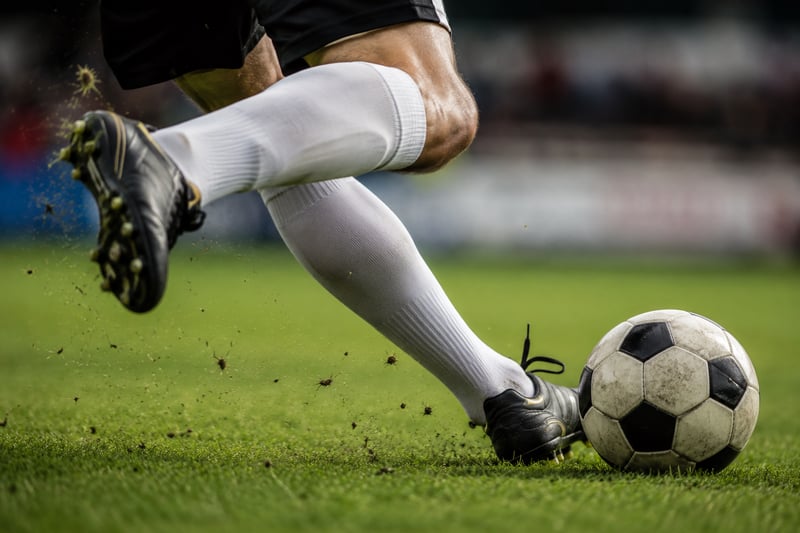
Elite athletes rarely wait until a minor problem becomes a major injury. Sports medicine teams work closely with players to identify and address issues early, helping prevent longer periods away from competition.
Many of us take the opposite approach. It is common to ignore foot discomfort and hope it resolves on its own. While some aches may settle naturally, persistent symptoms can sometimes worsen over time if left untreated.
Here are some common warning signs, you should pay attention to:
1. Heel Pain First Thing in the Morning
A sharp or aching pain under the heel when taking your first few steps out of bed is a common symptom of plantar fasciitis. While the discomfort may ease as you move around, persistent heel pain should not be ignored.
2. Persistent Arch Discomfort
Ongoing pain or fatigue in the arch of the foot may indicate excessive strain on the muscles, tendons, or ligaments that support the foot. This can become more noticeable after prolonged standing, walking, or exercise.
3. Recurring Ankle Sprains
If you frequently "roll" your ankle or experience repeated sprains, it may suggest underlying instability. Without proper rehabilitation, recurring ankle injuries can increase the risk of long-term joint problems and future injuries.
4. Achilles Tendon Pain or Tightness
Pain, stiffness, or tenderness along the back of the ankle particularly during walking, running, or climbing stairs, may be a sign of Achilles tendinopathy. Early management can help prevent more serious tendon injuries.
5. Pain During Physical Activity
Foot or ankle pain that consistently occurs during exercise, sports, or recreational activities is often a sign that something is not functioning optimally. Addressing the issue early may help prevent symptoms from worsening.
6. Bunions Becoming Increasingly Painful
A bunion may start as a mild prominence at the base of the big toe, but increasing pain, redness, or difficulty finding comfortable footwear may indicate that the condition is progressing.
Prevention Is Better Than Cure
One of the reasons elite football teams invest heavily in sports medicine is that preventing injuries is often far easier than treating them.
The same concept applies to foot health.
Simple preventative measures may include:
- Wearing appropriate footwear
- Maintaining strength and flexibility
- Progressing exercise gradually
- Addressing symptoms early
- Attending regular assessments when concerns arise
Proactive foot care can help individuals stay active, maintain mobility, and reduce the likelihood of future injuries.
When Should You See a Podiatrist?
While occasional soreness after activity is common, persistent or recurring symptoms should not be ignored.
Consider seeking professional advice if you experience:
- Pain is severe, localised, or worsening rather than improving after 48 to 72 hours
- Ongoing heel pain
- Recurring ankle sprains
- Foot pain during exercise
- Increasing bunion discomfort
- Persistent foot fatigue
- Changes in the way you walk
A podiatric assessment can help identify potential causes and provide personalised recommendations based on your individual needs and lifestyle.
The Winning Formula for Healthy Feet
The FIFA World Cup may showcase elite athletes, but the principles that keep these players healthy are relevant to everyone. After all, you don't need to be a World Cup footballer to benefit from healthy feet.
At East Coast Podiatry, treatment plans are tailored based on how your foot moves, functions, and compensates, not just where it hurts. Our podiatrists also utilise technologies such as ESWT, EMTT, rehabilitation strategies, and custom orthotics to support recovery and long-term stability.
If your foot continues to hurt or simply don't feel the same, its time to seek professional podiatry help.