
Skip to content

Our Focus on Paediatric Podiatry
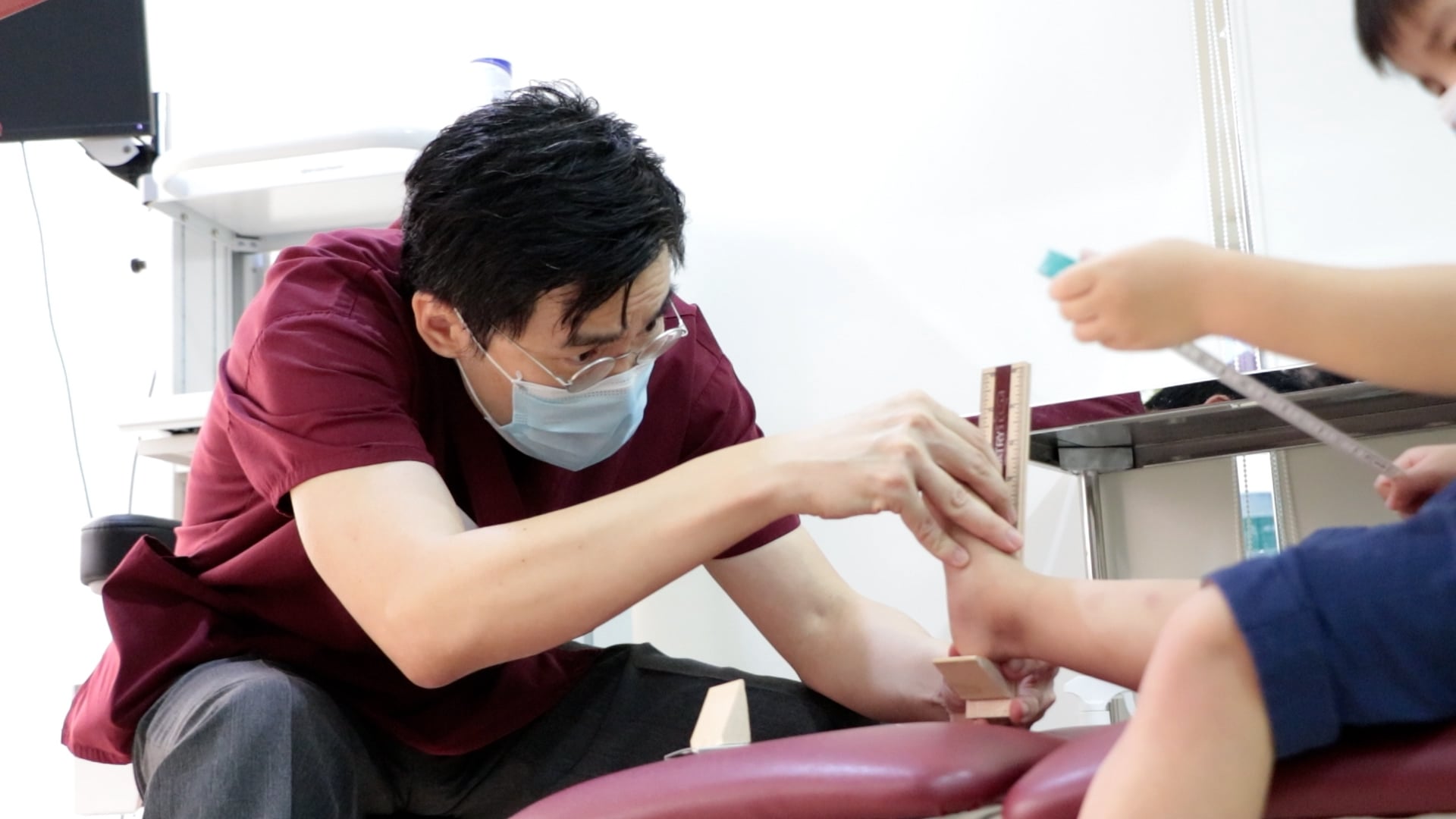
Paediatric Specialist

East Coast Podiatry Paediatrics is our specialisation focusing on children below the age of 16. It is important to emphasise that children are different from adults; their bodies are still developing and need a different approach. Some paediatric conditions require prompt attention shortly after birth, while other conditions may manifest during growth. If you as a parent have specific goals in mind for your child, i.e. reducing rates of falling or “clumsiness”, encouraging foot arch development, or improving stability, then early targeted intervention is always key with paediatric cases.

Conditions We Manage

Children's foot and lower limb concerns tend to fall into four broad areas. Our podiatrists assess and manage all of them, working closely with you and your child at every stage.
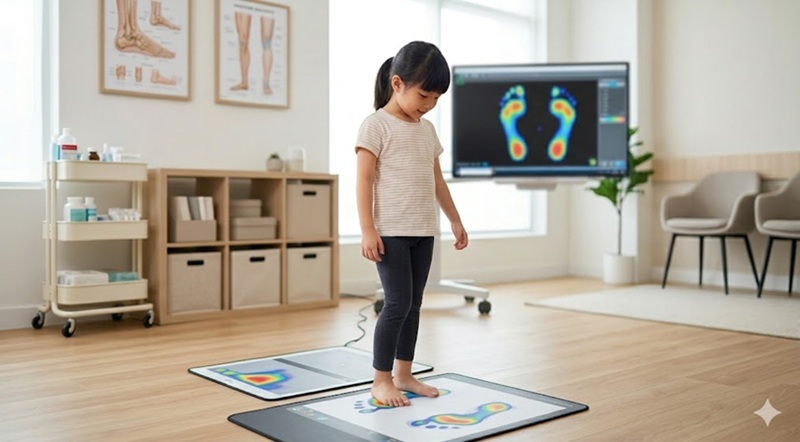
paed gait and posture 1

Gait & Posture

How your child walks, runs, and carries their body reveals a great deal about what is happening from the feet upward. Conditions such as in-toeing, out-toeing, and toe walking are common reasons parents visit us and they are often very manageable when caught early. If you have noticed an unusual walking pattern, our gait and posture assessment service is the right starting point. 

paed growth pains

Growth Pain

Growing children are not supposed to be in persistent pain. When your child complains of sore heels, aching legs, or foot pain that comes and goes with activity, there is usually a clear clinical reason and a clear treatment path. Learn more about how we address pain and growth conditions in children, including Sever's disease and growing pains.

paed structural conditions

Structural Conditions

Flat feet, bow legs, knock knees, and club foot are structural concerns that can affect your child's comfort and development if left unaddressed. Some resolve naturally with the right support; others benefit from targeted intervention. Our podiatrists will assess exactly where your child sits and what, if anything, needs to be done. Explore our approach to structural conditions in children's feet and legs
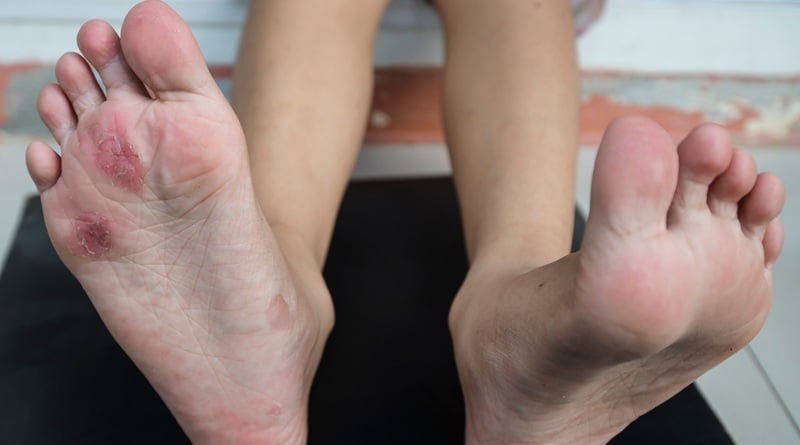
paed nail and skin condition

Nails & Skin

Ingrown toenails, fungal infections, verrucas, and skin conditions on the feet can cause real discomfort for children and real worry for parents. These conditions are common, they are treatable, and our team handles them with a gentle, child-friendly approach. Find out how we manage children's nail and skin conditions in a way that puts your child at ease.

Why Choose East Coast Podiatry for Your Child

Specialist paediatric focus We are dedicated to caring for children's foot and lower limb conditions. 
Child-centred assessment Our podiatrists are trained to build rapport with children of all ages, from anxious toddlers to self-conscious teenagers. Appointments are unhurried, gentle, and explained in a way your child can understand.
Evidence-based therapy Every recommendation we make is grounded in current clinical evidence. We do not over-treat, and we do not under-treat. If watchful waiting is the right approach, we will tell you so and explain exactly what to watch for. 
Convenient locations across Singapore  With multiple clinic locations in Orchard, Novena, Bukit Timah, Kembangan, Marine Parade, accessing specialist paediatric podiatry has never been more straightforward for Singapore families. 
Clear communication with parents  You will always leave an appointment knowing what was found, why it matters, and what happens next. We communicate in plain language, not clinical shorthand. 


When Should I Bring My Child to a Podiatrist? 

There are two answers to this question: the proactive answer, and the reactive answer. Both matter. 

Proactive Screening for Key Developmental Milestones 

Children's feet and lower limbs change rapidly during the first twelve years of life. A brief assessment at key milestones can identify concerns before they become problems and reassure you when development is on track. We recommend a podiatry check at the following ages:

12 months Around the time your child begins to pull to stand and take their first steps, a baseline assessment can confirm that foot structure and muscle tone are developing as expected.
18 months Walking patterns become clearer at this stage. This is a good time to assess gait, foot arch development, and any early signs of in-toeing or out-toeing.
3 years By age three, many early gait patterns should be resolving. If toe walking, flat feet, or tripping are still prominent, assessment at this point is strongly recommended.
7 years The foot arch is typically established by this age. This milestone check is valuable for identifying structural concerns and assessing how your child's feet are coping with increased physical activity at school.
12 years Adolescence brings growth spurts that can trigger heel pain, postural changes, and new mechanical stress. A check at this stage can catch conditions such as Sever's disease before they sideline your child from sport.


Reactive Signs — Bring Your Child In If You Notice: 

  Persistent complaints of foot, heel, or leg pain — especially after activity
  Frequent tripping or falling compared with other children the same age
  One foot or leg that appears to behave differently from the other
  Visible changes in the shape of the foot, ankle, or knee
  A walking or running pattern that seems unusual or asymmetrical
  Reluctance to participate in physical activity or sport that is new or worsening
  Nail or skin concerns on the feet that are not resolving on their own


A simple assessment can give you clarity. The earlier a concern is identified, the more options are available.

What to Expect at Your Child's First Appointment

 We understand that a first clinic visit can feel daunting — for children and parents alike. Here is what a first appointment at East Coast Podiatry looks like in practice. 

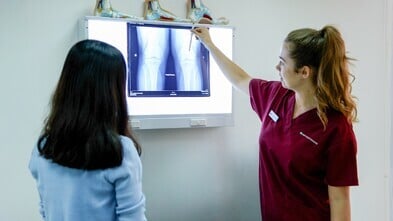
Initial Consultation

1. Initial Consultation

Your podiatrist will begin by speaking with you. We want to understand your concerns, your child's history, and what you have observed at home. There are no wrong answers and no question is too small.

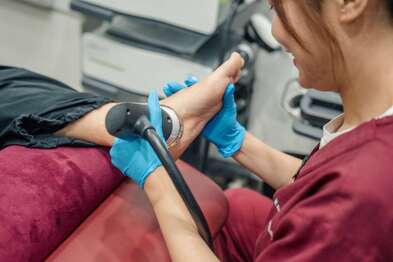
clinical

2. Physical Assessment

We will then carry out a physical assessment, which typically includes observing how your child stands, walks, and runs; assessing the range of motion in the foot, ankle, knee, and hip; examining foot structure and arch profile; and checking muscle strength and flexibility. For younger children, we work at their pace, if they need a few minutes to warm up to the environment, we give them that time. 

Patient Education

3. Patient Education

We explain the findings clearly, ensuring you understand your child's condition and the recommended treatment options.

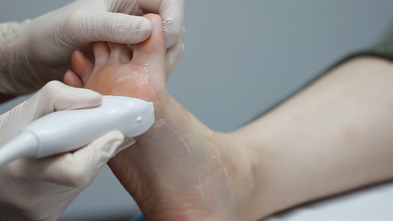
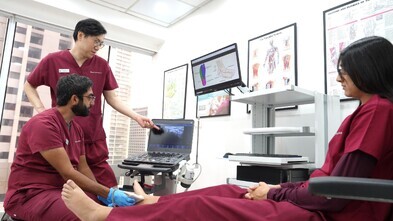
4. Musculoskeletal Assessment & 3D Foot Scan

4. Complete Assurance

By the end of the appointment, you will have a clear picture of what was found, what it means, and if any treatment or follow-up is recommended,  exactly what that involves and why. We do not use jargon without explaining it, and we will always make sure you leave with your questions answered.

Learn About Children's Foot Conditions

Alvin’s Journey: Seeking the Right Support for His Son’s Development
East Coast Podiatry - Paediatric Foot Conditions
Common problems with Children's Feet - Principal Podiatrist Michael Lai, East Coast Podiatry
Early Childhood Foot Problems - Pediatric Podiatrist Georgina Tay, East Coast Podiatry
Does My Child Need Insoles? - Principal Podiatrist Michael Lai

Frequently Asked Questions

Whether you have a specific concern or simply want peace of mind about your child's development, East Coast Podiatry is here to help. Our specialist paediatric podiatrists serve families across Singapore. Book your child's assessment online, a single appointment can make all the difference.

At what age should children first see a podiatrist?

There is no minimum age. If you have a concern about your child's feet or movement at any stage — from infancy through adolescence — an assessment is appropriate. For families without a specific concern, we recommend proactive checks at 12 months, 18 months, 3 years, 7 years, and 12 years to align with key developmental milestones. 

Are flat feet in children something to be concerned about?

Flat feet are very common in young children and often part of typical development. However, not all flat feet are the same, some are flexible and resolve naturally, while others are associated with tightness, pain, or structural differences that benefit from support. A podiatry assessment will determine which category your child falls into and what, if anything, should be done. 

My child's in-toeing or out-toeing does not seem to bother them. Do we still need to see someone?

Pain is not the only indicator that an assessment is worthwhile. Some gait differences that cause no discomfort in childhood can contribute to knee, hip, or lower back issues later on. An assessment will tell you whether your child's pattern is one that will self-correct, one that benefits from early intervention, or one that simply needs monitoring over time.

What is the difference between a paediatric podiatrist and an orthopaedic surgeon?

A paediatric podiatrist specialises in the conservative assessment and management of children's foot and lower limb conditions/ This includes gait analysis, orthotics, footwear advice, physical therapies, and nail and skin care. An orthopaedic surgeon focuses on surgical intervention. Most childhood foot conditions do not require surgery, and podiatry is typically the first, and often the only, specialist input needed.

Will my child need custom orthotics?

Not necessarily. Orthotics (custom insoles) are one tool among many, and they are only recommended when the clinical evidence supports their use for your child's specific condition. Many children respond well to footwear guidance, targeted exercises, or monitoring alone. We will always explain our reasoning clearly if orthotics are part of a recommended treatment plan. 

How long does a paediatric podiatry appointment take?

 A first appointment is typically 45 to 60 minutes. This allows enough time for a thorough history, a full assessment, and a proper discussion of findings and next steps. Follow-up appointments are usually shorter, depending on what is being reviewed or treated.

Is East Coast Podiatry covered by Singaporean health insurance?

Coverage varies by insurer and policy. We recommend checking with your insurance provider directly. Our team can provide documentation of your child's assessment and treatment to support any claims you wish to make.

Meet the Podiatrist Team

Experienced & Internationally Trained Podiatrists Ready To Serve

Georgina-Callaghan
British Podiatrist
Georgina Callaghan
Senior Podiatrist
BSc (Hons) Podiatry
Michael Lai, DPM
US
Dr. Michael Lai
Clinical Director
Doctor of Podiatric Medicine, USA
Maria-Salus
Polish Podiatrist
Maria Salus
Senior Podiatrist
BSc (Hons) Podiatry
Peggy-Tian
Australian Podiatrist
Dr. Peggy Tian
Senior Podiatrist
DPM | BSc
Jordan-Williams
British Podiatrist
Jordan Williams
Podiatrist
BSc (Hons) Podiatry
Yasin-Rashid
British Podiatrist
Yasin Rashid
Podiatrist
BSc (Hons) Podiatry | PGCE
Gayatri-Ramesh
Singapore Podiatrist
Gayatri Ramesh
Podiatrist

BSc | MSc Podiatric Medicine

Book an Appointment

Opening Hours

With five conveniently located clinics in Bukit Timah, Kembangan, Novena, and Orchard & Marine Parade, we provide thorough reviews and personalised care methods to address a wide range of lower limb issues that you or your family members might face. From initial assessment to tailored care plans, we ensure that every step of your journey is handled with expertise and attention to detail.

Mon to Sat - 9am to 6pm, Sun & Public Holidays - Closed

We recommend that you schedule an appointment prior to visiting our clinics.

Orchard

302 Orchard Road
Tong Building #09-02 (Rolex Centre)
Singapore 238862
Tel: +(65) 6884 4123

Kembangan

18 Jalan Masjid
Kembangan Plaza #B1-02
Singapore 418944
Tel: +(65) 6848 5156

Novena

10 Sinaran Drive
Novena Medical Centre #08-13
Singapore 307506
Tel: +(65) 6235 2132

Bukit Timah

1 Fifth Avenue
Guthrie House #02-04
Singapore 268802
Tel: +(65) 6235 9080

Marine Parade

80 Marine Parade Rd
Parkway Parade #08-04
Singapore 449269
Tel: +(65) 6592 8082