Skip to content

Foot & Ankle

Plantar Fasciitis Symptoms, Causes, and Treatment

plantar fasciitis

What Is Plantar Fasciitis?

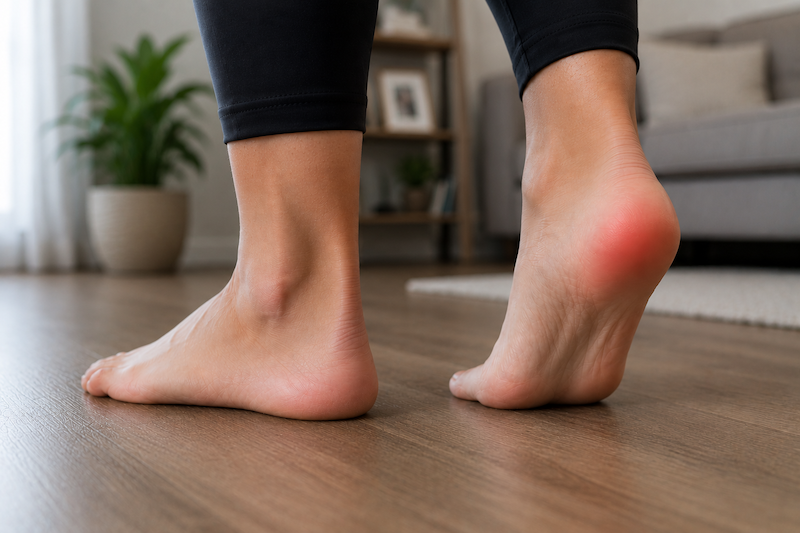
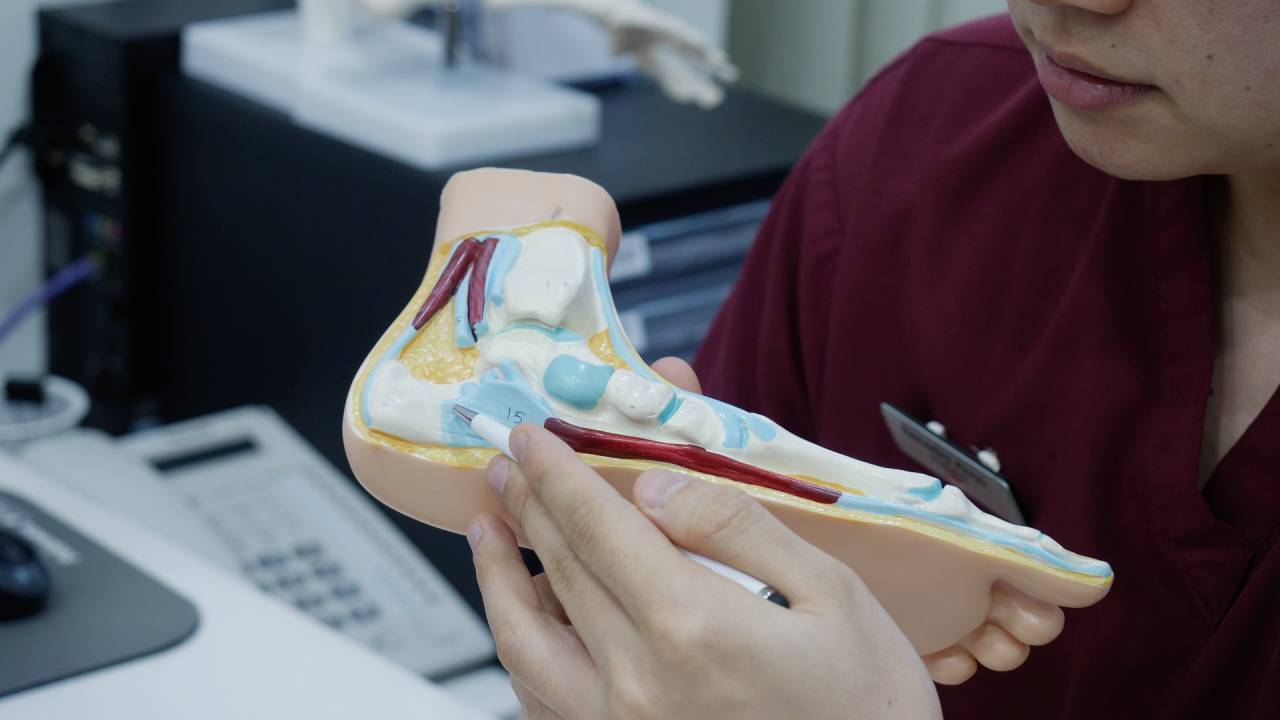
Plantar Fasciitis is a common painful condition caused by overuse of the plantar fascia. The plantar fascia is a broad, thick band of tissue that runs from under the heel to the front of the foot and helps support the arches of our feet. It is particularly susceptible to repetitive stress injuries induced by physical activities, including sports or work-related situations where a similar action is performed repeatedly, resulting in heel overuse.


signs-and-symptoms-of-plantar-fasciitis

Symptoms of Plantar Fasciitis

Plantar fasciitis usually starts gradually, and the pain is often worst with the first steps in the morning or after a period of rest. Common symptoms include:

  • Pain in the underside of the heel
  • Sharp pain in the morning when getting out of bed or when standing up after a prolonged period of sitting
  • Pain when applying pressure around the heel
  • Presence of swelling below the heel and around the ankle.
  • Chronic pain may result in burning and tingling sensations extending from the heel region

Common Causes of Plantar Fasciitis

What Causes Plantar Fasciitis?

  • Repetitive stress on the foot: Activities such as prolonged walking, standing, running, or jumping can place repeated strain on the plantar fascia, causing it to become overloaded and irritated.
  • Sudden increase in activity: Increasing exercise intensity, duration, or frequency too quickly can place more stress on the plantar fascia than it can adapt to.
  • Poor foot mechanics: Abnormal foot movements, such as excessive inward rolling of the foot (overpronation), can increase tension on the plantar fascia.
  • Inadequate foot support: Wearing shoes with poor arch support or cushioning, such as flat shoes, flip-flops, or unsupportive sneakers, or walking barefoot on hard surfaces may increase stress on the heel and plantar fascia.

Who Is at Greater Risk of Plantar Fasciitis?

Some of the factors that lead to a greater chance of developing plantar fasciitis are:

  • Being overweight or gaining a large amount of weight recently
  • Having a job that requires prolonged standing
  • Having a foot type that predisposes you to this condition, such as flat feet
  • Discrepancy in leg length
  • Sudden increase in the level of physical activity
  • Long-distance running
  • Sports that incorporate much side-to-side movement such as tennis or basketball

Plantar Fasciitis Diagnosis

Plantar fasciitis is typically diagnosed through a physical examination and assessment of your symptoms, foot structure, and movement patterns. A podiatrist will evaluate the location of your heel pain and identify any contributing factors to determine the most appropriate treatment approach.

  • Medical History: Your podiatrist will review your symptoms, activity levels, lifestyle, and previous injuries that may contribute to plantar fasciitis.
  • Physical Examination: A physical assessment can identify areas of tenderness, pain patterns, and range of motion, such as passive dorsiflexion.
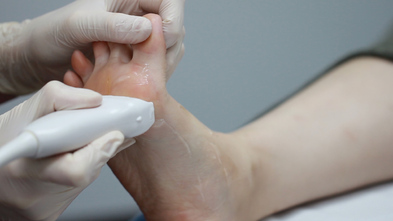
  • Diagnostic Ultrasound Assessment: A diagnostic ultrasound can provide detailed images of the plantar fascia to assess its structure and signs of inflammation.
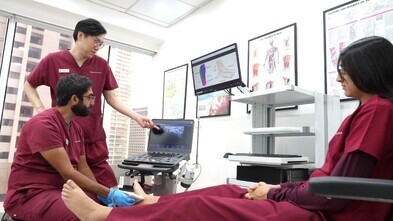
  • Biomechanical Assessment: A biomechanical evaluation may include a standing evaluation, a gait analysis, and a footwear assessment.
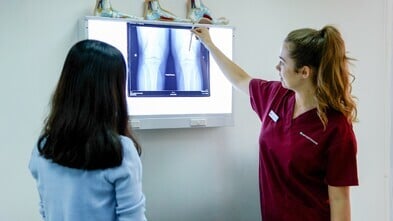
  • Imaging Tests: Imaging is not always needed. Where the picture is unclear, an X-ray or MRI may be requested to rule out other causes of heel pain such as a stress fracture or arthritis, and to confirm that the plantar fascia is the source of the problem.

What Happens If Plantar Fasciitis Is Unresolved?

Plantar fasciitis refers to the initial inflammation of the plantar fascia as a secondary reaction to tissue microdamage. If this condition is ignored for more than 6-8 weeks, it can develop into a chronic condition known as plantar fasciopathy.

At this point, anti-inflammatory drugs are often less effective, and symptoms may return unless different techniques are used. A specific and focused approach is required to repair the damage, as the plantar fascia can continue to degenerate, and in some cases rupture, if left unresolved.

Why do patients develop plantar fasciopathy?

  • Did not know that they had plantar fasciitis
  • Assumed the pain would resolve spontaneously
  • Failed to address plantar fasciitis in time
  • Attempted to resolve it with ineffective methods

At this point, depending on the patient’s age, activity level, and goals, the condition may require stabilising devices or surgical intervention.

Treatment Options for Plantar Fasciitis in Singapore

Conservative Management

Home remedies such as R.I.C.E. (Rest, Ice, Compression, Elevation) can be performed in minor cases of plantar fasciitis:

  • Rest by avoiding activities that put stress on the heel and arch of the foot
  • Ice the affected area for 15-20 minutes at a time, several times a day to reduce inflammation and pain
  • Compression can be performed using an elastic wrap or bandage to wrap the affected foot; this helps reduce swelling
  • Elevate the affected foot to help reduce swelling

If you continue to experience pain or if it seems to be worsening, it is important to consult a healthcare professional such as a podiatrist. These non-invasive therapies include:

One common therapy for plantar fasciitis is to inject steroids into the affected area. Steroids can reduce inflammation and provide pain relief, but they do not address the underlying cause of the condition. As a result, the pain may return, and there is an increased risk of further damage, such as plantar fascia rupture. In some cases, this can make the condition more complex and painful to treat in the future.


Surgical Intervention

In the most severe cases of plantar fasciitis, surgery may be necessary. However, surgery is not without risks, and it can also affect the long-term strength and function of the foot arch. Therefore, it is important to diagnose and manage plantar fasciitis as early as possible with the appropriate technologies. Early diagnosis and therapy can help to prevent the condition from becoming severe and reduce the risk of complications.

Where surgery looks appropriate, your podiatrist will refer you to an orthopaedic surgeon for assessment and will continue to manage the foot mechanics that contributed to the condition. Depending on the cause and severity, surgical options may include:

  • Plantar fascial release: a partial release of the plantar fascia to reduce tension through the tissue, performed as open or endoscopic surgery.
  • Gastrocnemius recession: a lengthening of the calf muscle, considered where a tight calf is placing ongoing strain on the plantar fascia.
  • Radiofrequency treatment: a minimally invasive option that uses radiofrequency energy either to treat the damaged fascia or to target the small nerves carrying heel pain.

Prevention

While not every case of plantar fasciitis can be prevented, a few simple foot care habits can help lower your risk of developing it or of symptoms returning.

The following measures may help:

  • Supportive footwear: choose shoes with good arch support, cushioning and a slightly raised heel, especially if you stand or walk on hard surfaces for long periods.
  • Regular stretching: stretch your calf muscles and plantar fascia regularly, particularly before and after exercise.
  • Gradual training: build up exercise intensity slowly and avoid sudden jumps in training volume or activity.
  • Healthy body weight: maintaining a healthy weight reduces the load on your plantar fascia with every step.
  • Timely shoe replacement: replace shoes once they no longer give enough support or cushioning. Running shoes in particular wear down with use, so check them regularly based on how often you run.
  • Standing surfaces: if your work involves long hours on your feet, use supportive flooring or anti-fatigue mats where possible.
  • Strengthening exercises: foot and lower limb strengthening exercises help support the arch and improve how your feet move.
  • Foot support: if your foot posture adds strain to the plantar fascia, customised foot orthotics can help spread pressure more evenly. A podiatrist can assess whether they suit you.

Frequently Asked Questions About Plantar Fasciitis

Can plantar fasciitis go away on its own?

In some cases, mild plantar fasciitis may improve on its own with rest and reduced strain on the foot. However, without addressing the underlying cause, symptoms can persist for months or even become chronic. Early treatment, including activity modification, stretching, appropriate footwear, and podiatric care, can help relieve pain and reduce the risk of recurrence.

Why is plantar fasciitis more painful in the morning?

Pain is often worst during the first few steps after getting out of bed because the plantar fascia tightens while you sleep. When you stand and walk, the tissue is suddenly stretched and loaded, causing sharp heel pain. The discomfort usually eases with movement but may return after prolonged standing or periods of rest.

How do I know if my heel pain is plantar fasciitis, Achilles tendinopathy or another condition?

The location and pattern of pain can provide important clues. Plantar fasciitis typically causes pain under the heel where the plantar fascia attaches to the heel bone (insertional plantar fasciitis), especially during the first steps in the morning or after sitting. Achilles tendinopathy usually causes pain at the back of the heel or along the Achilles tendon, which may worsen during activities like running or climbing stairs.

Other conditions, such as stress fractures, tarsal tunnel syndrome, plantar fascia ruptures, or fat pad atrophy, can also cause heel pain. A thorough assessment by a podiatrist can help determine the underlying cause and guide appropriate treatment.

Can heel spurs or pes planus cause plantar fasciitis?

Heel spurs do not always cause pain and are not necessarily the cause of plantar fasciitis, although they can occur alongside the condition.

Pes planus (flat feet) can increase strain on the plantar fascia by altering foot mechanics, making some individuals more susceptible to developing plantar fasciitis. Other factors, such as high arches, tight calf muscles, obesity, and repetitive activities, may also contribute.

Will I need surgery to treat plantar fasciitis?

Most people recover without surgery. Conservative treatments are effective in the majority of cases, particularly when started early. Surgery is generally only considered if symptoms persist despite several months of comprehensive non-surgical treatment and continue to significantly affect daily activities.

When surgery is recommended, the most common procedure is a plantar fascial release, which may be performed using an open or endoscopic approach. Your podiatrist can advise whether surgical referral is appropriate based on your individual condition.

Is Shockwave Therapy (ESWT) effective for plantar fasciitis?

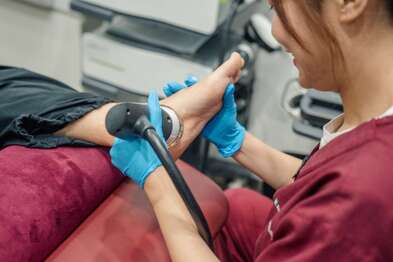
Extracorporeal shock wave therapy (ESWT) may be recommended for persistent plantar fasciitis that has not responded to conservative treatment. It uses acoustic waves to stimulate tissue healing, reduce pain, and improve function.

While not every patient responds the same way, clinical studies have shown ESWT can be an effective non-invasive treatment option for chronic plantar fasciitis when used alongside a comprehensive management plan.

How long does it take to recover from plantar fasciitis?

Recovery varies depending on the severity of the condition and how early treatment begins. Many people notice improvement within a few weeks to several months with appropriate care, while more persistent cases may take six months or longer to resolve.

In some chronic cases, repeated strain may lead to scar tissue formation within the plantar fascia, which can prolong healing and contribute to ongoing discomfort. Following your treatment plan consistently can help promote recovery and reduce the likelihood of prolonged symptoms.

Can plantar fasciitis come back after treatment?

Yes. Plantar fasciitis can recur if the underlying risk factors are not addressed. Returning to high-impact activities too quickly, wearing unsupportive footwear, tight calf muscles, or persistent biomechanical issues may increase the risk of recurrence.

Continuing with stretching exercises, wearing supportive shoes, and following your podiatrist's advice can help prevent future flare-ups.

Visit Our Singapore Clinics

Our Locations

Conveniently located in Orchard, Novena, Bukit Timah, Kembangan, and Marine Parade, making expert podiatry care easily accessible wherever you are.

East Coast Podiatry – Orchard

302 Orchard Road, Tong Building #09-02 (Rolex Centre), Singapore 238862

+(65) 6884 4123