

Thursday, 27 August 2026
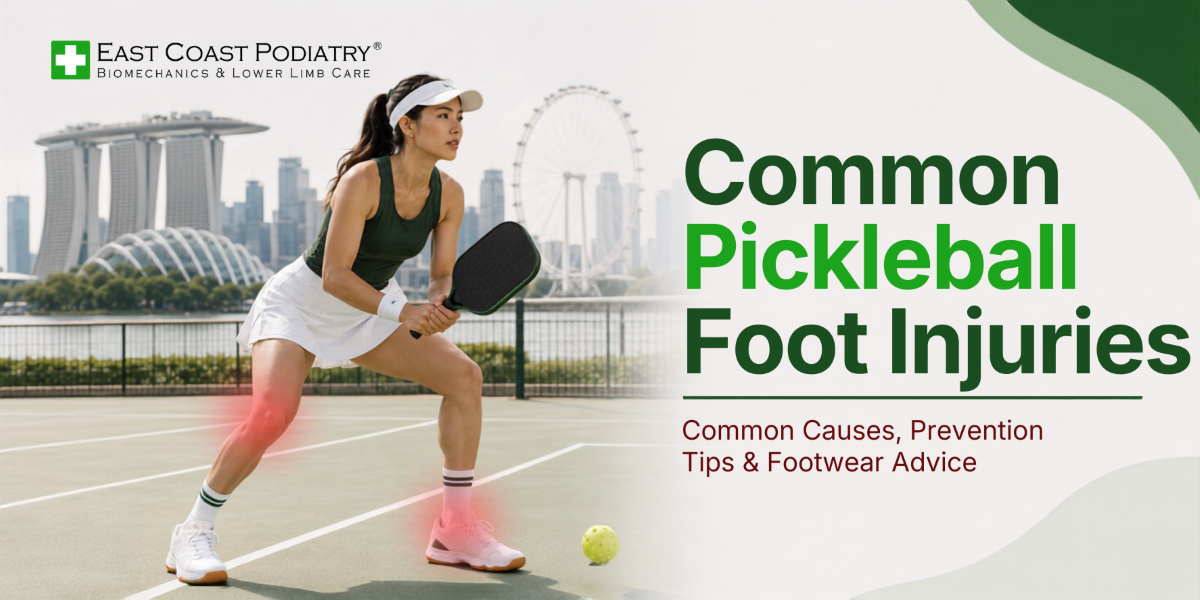
Pickleball has quickly become a popular recreational sport, offering a fun way to stay active while spending time with friends and family. But while it may seem less demanding than some high-impact sports, pickleball still involves plenty of quick movements, sudden stops, changes in direction and repeated push offs from ground, which may affect your lower limbs and feet.
These movements can place stress on the feet, ankles and lower legs, particularly if you're new to the sport, suddenly increase how often you play, or aren't wearing suitable footwear.
If you've noticed heel pain, ankle discomfort or soreness in your feet after a game, you're not alone. Here are some of the common pickleball foot injuries and what you can do to reduce your risk.
Why Can Pickleball Cause Foot Pain?
Although pickleball is played on a relatively small court, players are constantly moving. Short bursts of acceleration, sudden stops, lateral shuffling and quick changes of direction can place repeated strain on the feet and ankles.
For newer players, one of the biggest factors is often doing too much, too soon. If your feet and lower limbs aren't accustomed to regular exercise, suddenly playing several games a week may not give your body enough time to adapt.
Other factors that may contribute to foot pain include:
- Wearing inappropriate or worn-out footwear
- Poor foot and ankle strength
- Limited ankle or calf flexibility
- Increasing playing time or intensity too quickly
- Playing through existing pain
- Insufficient recovery between sessions
Understanding where your pain is coming from can help you determine whether it's simply post-exercise soreness or something that needs further attention.
Common Pickleball Foot Injuries .png?width=800&height=533&name=East%20Coast%20Podiatry%20Blog%20Common%20Pickleball%20Foot%20Injuries%20(resized).png)
1. Plantar Fasciitis and Heel Pain
Heel pain is one of the more common complaints associated with increased physical activity.
The plantar fascia is a thick band of tissue that runs along the bottom of your foot and helps support the arch. Repeated loading from running, jumping, pushing off and sudden changes in direction can irritate this tissue.
You may notice:
- Pain underneath or around the heel
- Pain that is worse with your first steps after resting
- Heel pain after playing or exercising
- Stiffness along the bottom of the foot
Pickleball doesn't necessarily cause plantar fasciitis on its own, but a sudden increase in activity can aggravate an existing problem or contribute to symptoms developing.
2. Achilles Tendon Pain
The Achilles tendon connects the calf muscles to the heel bone and plays an important role in pushing your body forward.
The repeated acceleration and sudden changes in direction involved in pickleball can increase the load placed on the Achilles tendon.
Symptoms may include:
- Pain or stiffness at the back of the heel
- Tenderness along the Achilles tendon
- Stiffness after resting
- Pain that becomes more noticeable during or after activity
Ignoring recurring Achilles pain and continuing to increase your activity may allow the problem to worsen.
3. Ankle Sprains
Pickleball involves frequent lateral movements and quick changes of direction. If you step awkwardly, lose your balance, change direction suddenly or have generally weak ankles, you may roll your ankle and injure the surrounding ligaments.
An ankle sprain can cause:
- Pain around the ankle
- Swelling
- Bruising
- Difficulty putting weight on the foot
- Reduced ankle movement
Even a seemingly minor ankle sprain can affect your movement and balance in the long term. Returning to pickleball before the ankle has recovered may also increase the risk of reinjury.
4. Forefoot Pain and Metatarsalgia
The front part of your foot absorbs significant forces as you push off and change direction.
Repeated pressure on this area can contribute to metatarsalgia, which refers to pain and inflammation around the ball of the foot.
You may experience:
- Aching or burning beneath the ball of the foot
- Pain that worsens during activity
- A sensation of having a pebble or lump inside your shoe
- Tenderness when pressing on the forefoot
Footwear can also play a role. Shoes that are too narrow or don't provide adequate support may increase pressure on the forefoot.
5. Blisters and Toenail Problems
Not every pickleball foot problem is a serious injury. Friction and pressure from your shoes can also cause uncomfortable problems such as blisters, bruised toenails,ingrown toenails or skin problems.
These issues may become more likely when:
- Your shoes don't fit properly
- Your feet slide around inside your shoes
- Your socks create excessive friction
- You suddenly increase the amount of time you spend playing
While these problems may seem minor, repeatedly playing with painful blisters or damaged toenails can make it harder to stay active comfortably.
6. Calf and Foot Muscle Strains
Your calf and foot muscles work continuously when you move around the court. Sudden acceleration, repeated pushing off and quick changes in direction can place additional demands on these muscles.
A strain may cause localised pain, tightness or tenderness, particularly when walking, stretching or pushing off.
If you experience sudden, significant pain during a game, stop playing rather than trying to push through it.
Do Pickleball Shoes Really Matter?
Your footwear can make a significant difference when it comes to playing pickleball comfortably.
Running shoes are primarily designed for forward movement. Pickleball, however, involves frequent lateral movements, stopping and changes in direction.
A suitable court shoe should generally provide:
- Good lateral stability
- A secure fit around the heel
- Adequate cushioning
- Sufficient traction for the playing surface
- Enough room for your toes to move comfortably
You should also avoid wearing worn-out shoes and aim to play in shoes that are in good condition. As cushioning and structural support wear down over time, they may provide less protection during activity. Foot orthotics or personalised insoles is also a good option for added cushioning and support particularly for people with flat fleet (low arches) or certain foot and biaomechanical issues.
If you're experiencing recurring foot pain despite wearing appropriate footwear, the issue may not simply be your shoes. Factors such as foot structure, biomechanics, strength and activity levels can also contribute.
How Can You Prevent Foot Pain When Playing Pickleball?
A few simple habits can help reduce your risk of foot and lower-limb injuries :
- Warm up before playing: Spend a few minutes doing gentle walking, dynamic movements and calf raises to prepare your muscles and joints.
- Increase activity gradually: If you're new to pickleball, gradually increase the duration and frequency of your games to give your body time to adapt.
- Wear appropriate footwear: Choose well-fitting court shoes that provide good stability and support. Avoid playing in worn-out shoes.
- Don't ignore recurring pain: If the same area continues to hurt after every game or your pain is getting worse, reduce your activity and consider getting it assessed.
- Allow time for recovery: Give your feet and lower limbs enough time to recover between sessions, especially after increasing your playing frequency.
You don't necessarily need to stop playing pickleball to reduce your risk of foot injuries. A few simple habits like these can help your feet and lower limbs cope with the demands of the sport.
When Should You See a Podiatrist?
Not every ache after pickleball requires professional treatment. However, it may be worth seeing a podiatrist if your pain:
- Keeps coming back after playing
- Is getting progressively worse
- Affects your ability to walk or exercise
- Doesn't improve with rest and activity modification
- Is accompanied by significant swelling or bruising
- Started suddenly and is severe
- Is changing the way you walk or move
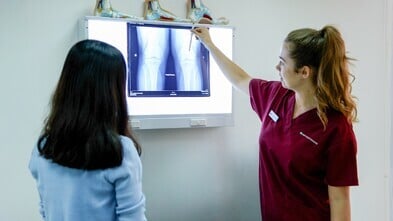
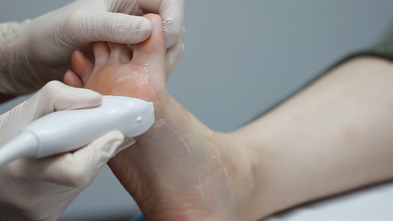
A podiatrist can assess your symptoms, footwear, foot structure and movement patterns to help identify factors that may be contributing to your pain.
Final Thoughts
Pickleball can be a great way to stay active, but the quick movements and repeated changes in direction can put considerable demands on your feet and lower limbs.
The good news is that many foot problems can be managed more effectively when they're addressed early. Wearing suitable footwear, increasing your activity gradually and paying attention to recurring pain can all help you stay on the court.
If foot or lower limb pain is affecting your ability to enjoy pickleball, don't just resist the pain or wait until the symptoms become more severe. A podiatric assessment can help determine what's causing the root problem and what you can do about it.