



Wednesday, 26 November 2025

One of the common misconceptions in healthcare is that the absence of pain (algos) signifies the absence of a problem. In Singapore, many people only seek professional care when foot pain becomes disruptive. If discomfort is mild, occasional, or manageable, it’s often ignored. But from a podiatrist’s perspective, pain is not always the first or most important signal, particularly regarding biomechanical function.
In fact, many foot and lower limb problems develop without pain at all, until the body’s compensatory mechanisms (allostasis) reach their tolerance limit.
Why the Body Avoids Pain
The human body is adaptive, operating under the principle of the kinetic chain. When a primary structure (e.g., the Posterior Tibial Tendon) becomes overloaded or functionally inefficient, other tissues step in to help. This compensation often allows individuals to continue walking, standing, and functioning despite underlying dysfunction, which may delay the onset or recognition of foot pain.
But compensation introduces secondary stress, incurring a mechanical cost:
- Muscle fatigue (e.g., the Gluteus Medius overworks to stabilise a collapsing foot).
- Joints absorb abnormal stress (e.g., uneven pressure in the talonavicular joint).
- Movement efficiency declines (e.g., increasing the metabolic cost of walking).
Pain (nociception) often appears only when these secondary, compensating structures exceed their mechanical tolerance limit.
Common “Silent” Foot Problems
Many podiatric issues progress quietly and often require objective assessment to detect, particularly before clear foot pain develops. These may include:
- Gradual collapse of the foot arch (Progressive Pes Planus) due to ligamentous strain.
- Reduced ankle mobility (decreased dorsiflexion) affects the terminal stance phase of gait.
- Altered walking patterns (gait asymmetry) leading to asymmetrical loading.
- Uneven load distribution (high peak plantar pressure points, predictive of metatarsalgia).
- Progressive stiffness or weakness (Functional Ankle Instability).
People may notice subtle changes, such as uneven shoe wear or reduced stability, but dismiss them because there is little or no foot pain present.
.jpg?width=1200&height=800&name=Common-Silent-Foot-Problems%20(2).jpg)
Why Pain Location Can Be Misleading
When foot pain does appear, it often manifests away from the original issue, a phenomenon known as referred pain.
For example:
- Knee pain (patellofemoral pain syndrome) is linked to foot instability (excessive pronation).
- Back pain (sacroiliac joint dysfunction) is related to an altered gait pattern or a leg length discrepancy (LLD).
- Hip discomfort caused by an uneven stride length or compensatory hip hike.
By the time pain becomes noticeable, the underlying biomechanical dysfunction may have been established for years.
The Risk of Waiting for Pain
Delaying assessment until foot pain appears restricts the range of treatment options.
Early-stage movement inefficiencies are generally manageable with:
- Exercise-based interventions (targeting intrinsic foot muscle strength and dynamic stability).
- Footwear guidance and modification (selecting shoes that control rearfoot motion).
- Load management strategies (adjusting duration/intensity to reduce allostatic load).
Once pain becomes chronic, treatment is typically more complex and prolonged, often requiring detailed orthotic intervention.
Rethinking Health Signals
Foot Pain is not the only signal that warrants attention. Fatigue, stiffness, imbalance, and reduced confidence in movement are all crucial indicators of functional decline that should prompt clinical assessment.
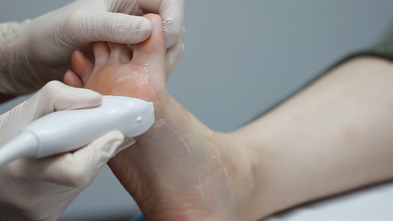
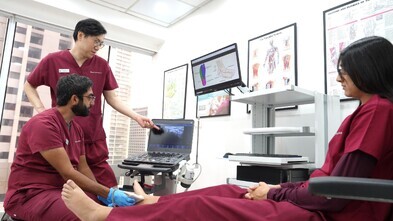
Preventive podiatry focuses on identifying and addressing these early indicators—often through objective metrics like 3D Kinematic Gait Analysis to quantify joint angles—before pain becomes the motivator for seeking care.
A Smarter Approach to Foot Health
Rather than asking, “Does it hurt?”
The better question is, “Is this movement sustainable?”
Our body actually hides the problems. When your foot or leg has a weak spot, other parts (like your knee or back) work harder to pick up the slack. This is called compensation. This hiding process lets you stay pain-free for months or even years.
But compensation wears out those other parts. We use objective tools, like simple walking tests, to measure how you move, not just if you hurt. Movement quality is the key to long-term health. If the way you walk is not sustainable, we can fix the issue now with exercises or simple supports, preventing bigger, more painful problems later.