

Friday, 04 September 2026
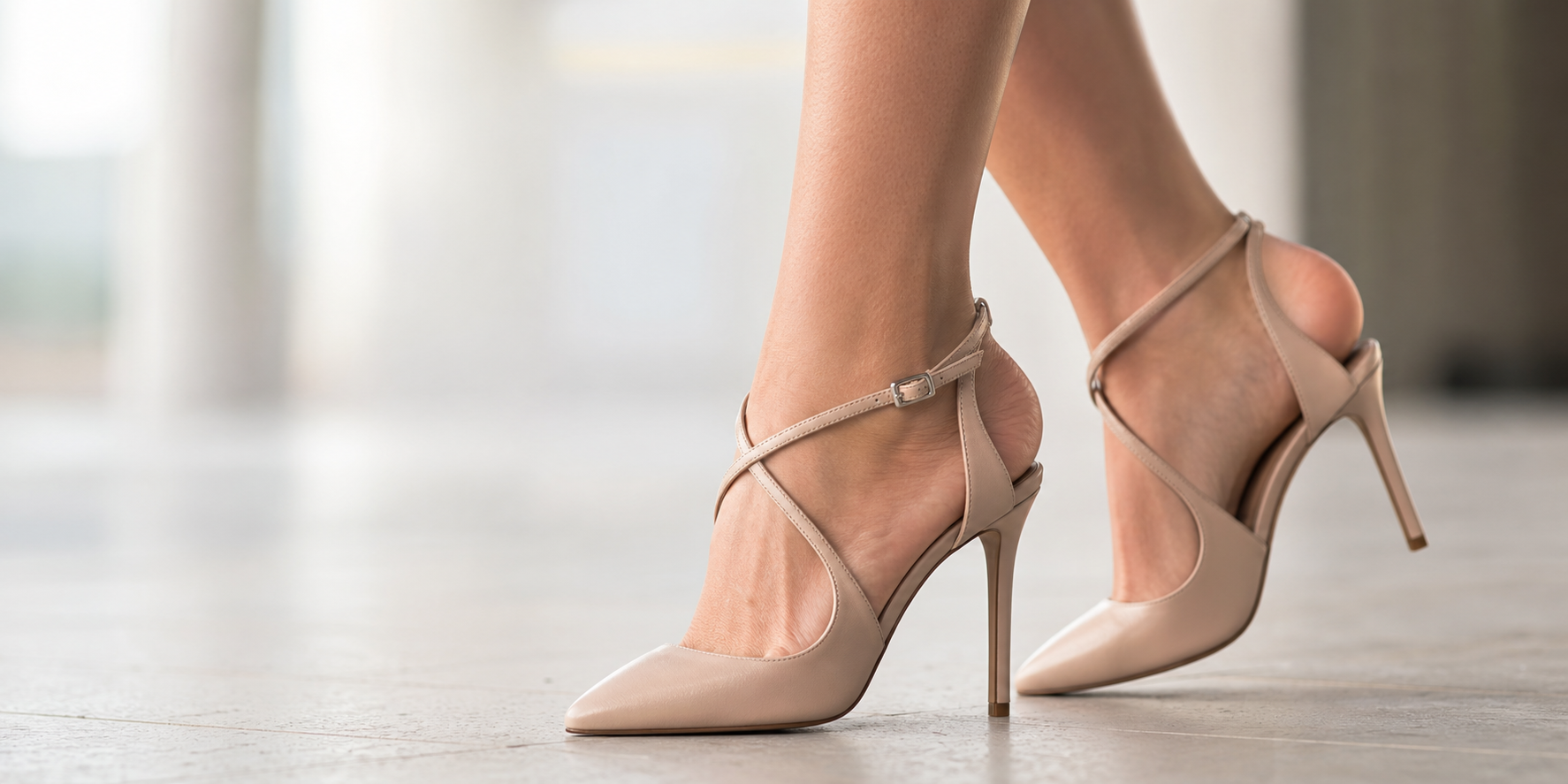
High heels can be a staple in many wardrobes. They can complement an outfit, change the way you stand and walk, and may be a practical choice for work, formal occasions or social events.
But after several hours in a pair of heels, your feet may tell a very different story.
From aching feet and sore toes to blisters, corns and ankle discomfort, wearing high heels can place additional stress on the feet and lower limbs. But does wearing high heels actually cause permanent damage? And is there a particular heel height that is safer for your feet?
High heels aren't inherently harmful for everyone. The effects depend on several factors such as heel height, shoe design, fit, duration of wear, frequency of use and the individual's foot structure
In this article, we explore how high heels affect your feet, the common foot problems they may contribute to, and what you can do to reduce discomfort without necessarily giving up your favourite pair of shoes.
What Happens to Your Feet When You Wear High Heels?
When you wear high heels, your foot is held in a different position from when you stand or walk barefoot or in a flat shoe.
As the heel is elevated, your body weight is shifted forward towards the ball of your foot. This changes how your weight is distributed across the foot, with a greater proportion of the load being put on the forefoot. Because the effective contact area is also reduced, pressure can become more concentrated beneath the forefoot. Generally, the higher the heel, the greater the change in foot position and pressure distribution.
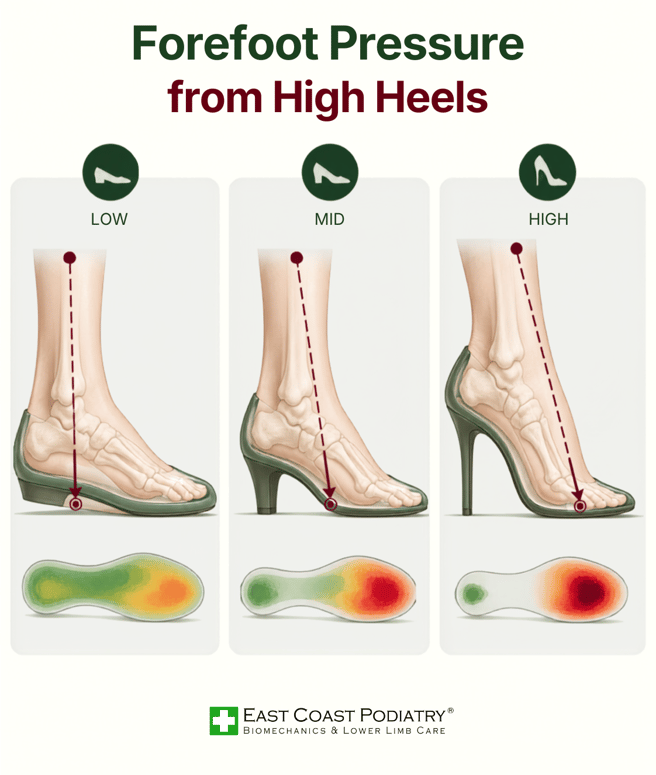
At the same time, the shape of some high-heeled shoes can push the toes towards the front of the shoe. If the toe box is narrow or pointed, your toes may have less room to spread naturally.
This can contribute to:
- Increased pressure underneath the ball of the foot
- Crowding of the toes
- Increased pressure on areas of the skin
- Greater demand on the calf muscles and Achilles tendon
- Reduced ankle stability
- Changes to your normal walking pattern
7 Common Foot Problems Associated With High Heels
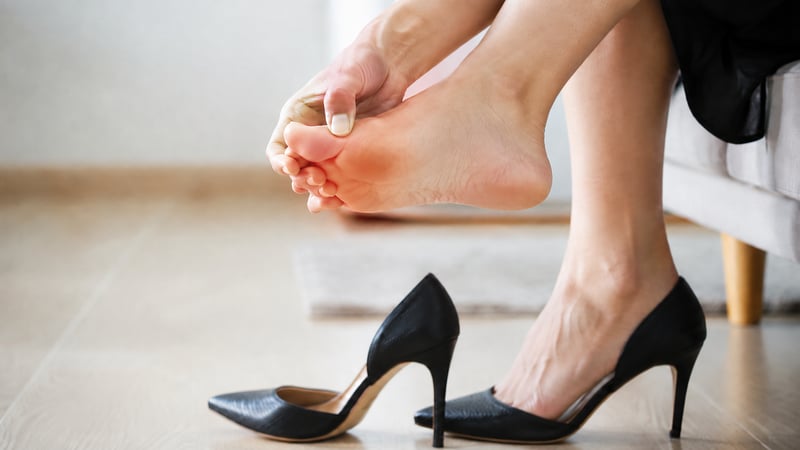
High heels do not automatically cause foot conditions. Other factors such as foot structure, activity levels, genetics and footwear fit also play a role.
However, certain feet problems can become more likely or more noticeable when the feet are repeatedly exposed to increased pressure or altered positioning.
1. Forefoot Pain and Metatarsalgia
One of the most common complaints associated with high heels is pain around the ball of the foot. The forefoot is the front part of your foot, around the ball of the foot just behind your toes. This area contains the metatarsal bones and is responsible for bearing a significant amount of your body weight during walking.
Because high heels shift your weight forwards, more pressure can be placed on the forefoot. Over time, this may contribute to discomfort known as metatarsalgia.
You may notice:
- Aching or burning beneath the ball of the foot
- Pain that becomes worse after standing or walking
- Tenderness when pressing on the forefoot
- A sensation of having a pebble or lump underneath the foot
If forefoot pain continues after taking your shoes off or starts affecting your everyday activities, it is worth having the underlying cause assessed.
2. Corns and Calluses
Corns and calluses develop when repeated pressure or friction causes the skin to thicken.
Poor fitting high heels can increase this pressure, particularly when:
- The toes are squeezed together
- The foot slides forward inside the shoe
- Certain areas of the foot repeatedly rub against the footwear
- There is insufficient space around the toes
Calluses usually appear in broader areas of thickened skin while corns tend to form in smaller, concentrated areas of pressure.
Although both may seem like a minor inconvenience, recurring corns and calluses can sometimes beindicate that pressure is being repeatedly concentrated in the wrong areas.
3. Blisters
Blisters are another common consequence of footwear friction.
High heels may cause the foot to move differently inside the shoe, creating friction between the skin and the footwear. This can be particularly noticeable around the heel, toes and areas where the shoe rubs. Wearing a new pair of heels for several hours at once can make this worse.
While this does not cause major feet problems, if a particular pair of shoes repeatedly causes blisters, it may be worth reconsidering the fit rather than simply trying to “break them in”.
4. Bunions
Another common foot problem that is often associated with high heels are bunions. A bunion is a structural change involving the big toe joint that causes the big toe to move towards the other toes and a prominence to develop on the side of the foot.
The good news? High heels do not necessarily cause bunions on their own. Genetics and foot structure can play an important role.
The bad news... narrow or pointed footwear can place additional pressure around the toes and may aggravate an existing bunion or make footwear more uncomfortable.
If you already have a bunion, shoes that provide adequate room around the forefoot may be more comfortable than narrow, pointed styles.
5. Hammer Toes and Other Toe Problems
Repeated squeezing of the toes into a narrow toe box can place them under increased pressure.
Over time, this may contribute to problems such as hammer toes, where one or more toes become bent at the joints.
Some people may also develop:
- Corns on or between the toes
- Pain when wearing enclosed shoes
- Certain areas of the foot repeatedly rub against the footwear
- There is insufficient space around the toes
Again, footwear is only one potential factor. The structure and mechanics of your feet can also influence your risk.
6. Heel and Achilles Tendon Discomfort
Although high heels elevate the heel rather than directly putting pressure on it, they can change the position and loading of the calf-Achilles complex.
The Achilles tendon connects the calf muscles to the heel bone and plays an important role in walking and running.
Regularly wearing elevated heels may contribute to calf tightness or discomfort around the Achilles tendon in some people, particularly when combined with other factors such as sudden changes in activity.
Because high heels keep the ankle in a more downward pointing position, the calf-Achilles complex is placed in a relatively shortened position. When you switch to flat shoes or go barefoot, your ankle needs to move further upwards, which can place a greater stretch on the calf-Achilles complex. As a result, some people may notice stiffness or discomfort when switching from high heels to flat shoes or going barefoot.
7. Ankle Sprains and Instability
A narrow or high heel provides a smaller base of support than a flat, stable shoe.
This can make it more difficult to maintain balance, particularly when walking on uneven surfaces, stairs or slippery ground.
A sudden roll of the ankle can result in a sprain, which may cause pain, swelling and difficulty putting weight on the affected foot.
The risk can be particularly relevant with very high, narrow heels such as stilettos.
Are High Heels Bad for Your Knees, Hips and Back?
The effects of high heels are not limited to the feet.
Changing the position of your foot and ankle can also alter the way your lower limb moves. This can influence loading patterns through the ankles, knees and hips.
This does not mean that wearing high heels will automatically cause knee, hip or back problems.
However, if you already experience lower limb or back pain, you may notice that certain footwear makes your symptoms worse.
Your body works as a connected chain. A change at the foot can influence movement elsewhere, particularly when that change is repeated over long periods.
Does Heel Height Make a Difference?
Yes, heel height can influence how your body is positioned and where pressure is distributed across your feet.
As mentioned earlier, the heel becomes higher, the foot is placed in a more downward-pointing position, which can shift a greater proportion of your body weight towards the forefoot. Higher heels can also make it more difficult to maintain your balance, particularly when the heel itself is narrow.
However, heel height is only one part of the picture. A heel that feels comfortable for one person may cause discomfort for another, depending on their foot structure, biomechanics and existing foot problems. The shape of the shoe, the width of the heel, the amount of space around the toes, how well the shoe fits and how long you wear it can all influence how your feet respond.
Rather than focusing on a specific number of centimetres, it is more useful to think about how the height of the heel changes the demands placed on your feet.
| Heel characteristic |
What it may mean for your feet |
| Lower heel | Less change in foot position and generally less shift of pressure towards the forefoot |
| Higher heel | Greater change in foot position and potentially greater forefoot loading |
| Wider heel | Larger base of support, which may make balancing easier |
| Narrow or stiletto heel | Smaller base of support and greater demands on balance |
| Very high heel | Greater alteration in ankle position and lower-limb mechanics |
The key takeaway is that height is not necessarily better or worse in isolation. Heel height is one factor among several that determine how challenging a particular pair of shoes may be for your feet.
The next step is to look at how you can choose and wear high heels in a way that may reduce unnecessary pressure and discomfort.
How to Choose More Foot-Friendly High Heels
If you enjoy wearing high heels, you do not necessarily have to give them up. Instead, a few practical choices can help reduce unnecessary pressure, friction and strain on your feet.
Choose a More Supportive Heel
When possible, look for a heel that gives you a stable base rather than focusing solely on height.
A wider or block heel generally provides more surface area for support than a narrow stiletto heel. This can make it easier to maintain your balance, particularly when walking or standing for longer periods.
Make Sure Your Shoes Fit Properly
A well-fitting shoe should feel comfortable when you are both standing and walking. Your toes should not be squeezed together, and your foot should not slide excessively forwards or backwards inside the shoe.
When trying on heels, try walking around with it for awhile rather than solely judging the fit while sitting down. While walking, pay close attention to areas where you feel rubbing, pressure or slipping. These are early red flags to possible footwear issues you could have easily avoid.
Look for Enough Room Around the Toes
A pointed toe box can restrict the toes and increase pressure on areas that are already under stress.
Where possible, choose a shape that allows your toes to sit naturally without being compressed together. This may help reduce unnecessary pressure and friction, particularly around the toes and forefoot.
Consider Cushioning and Support
A shoe with some cushioning under the forefoot may feel more comfortable than a hard, minimally cushioned sole, particularly if you expect to be standing or walking for an extended period.
However, cushioning alone does not make an otherwise poorly fitting shoe suitable. Fit, stability and overall shoe design still matter.
Avoid Wearing Very High Heels for Long Periods
Think about how long you actually need to be in your heels.
For example, you could wear comfortable footwear while commuting and change into your heels when you arrive at work or your destination. If you are attending an event where you expect to stand or walk for several hours, bringing a comfortable alternative can also give your feet a break.
Alternate Your Footwear
You do not necessarily need to wear the same type of shoe every day.
Alternating between different footwear can change the demands placed on your feet and may help prevent the same areas from being repeatedly exposed to pressure and friction.
Pay Attention to Pain
Perhaps the most important consideration is how your feet actually respond.
If a particular pair of heels consistently causes pain, numbness, rubbing or discomfort, do not assume that you simply need to “get used to them”. Consider whether the fit, design or amount of time spent wearing them could be contributing to the problem.
Persistent or recurring pain is worth having assessed, particularly if it continues even after you stop wearing the shoes.
Do You Have to Stop Wearing High Heels?
For most people, the answer is not necessarily.
High heels can be part of your wardrobe without automatically being harmful. The key is understanding that different footwear places different demands on your feet.
You may be able to reduce your risk of discomfort by:
- Wearing heels for shorter periods
- Choosing a lower or wider heel
- Selecting shoes with adequate room around the toes
- Alternating with comfortable, supportive footwear
- Avoiding prolonged walking or standing in very high heels
- Addressing foot pain before it becomes persistent
If you already have a foot condition, however, the most suitable footwear may depend on your individual foot structure and symptoms.
When To See A Podiatrist?
Occasional foot discomfort after spending a long day in high heels is normal and may not necessarily indicate a serious problem.
However, persistent or recurring symptoms should not simply be accepted as part of wearing heels.
Consider seeing a podiatrist if you experience:
- Persistent pain in the ball of the foot
- Ongoing heel or Achilles pain
- Painful or worsening bunions
- Recurring corns or calluses
- Persistent blisters or skin irritation
- Toe deformities or increasing toe stiffness
- Repeated ankle sprains
- Numbness or tingling in the feet
- Pain that continues even after you stop wearing heels
- Difficulty walking or wearing everyday shoes comfortably
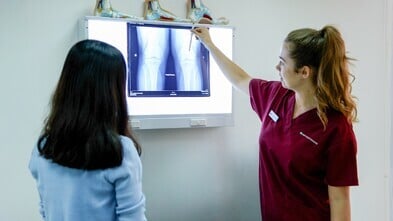
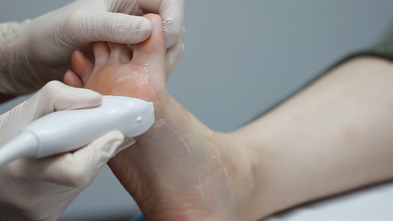
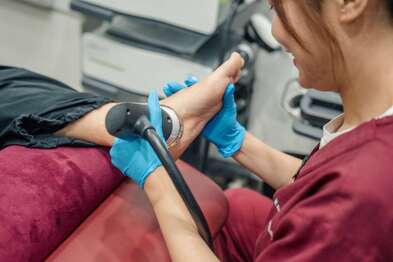
A podiatric assessment can help assess your feet, footwear, walking pattern and other contributing factors to help determine the root cause of what's causing your symptoms instead of purely symptom treatment.