What Are Flat Feet?
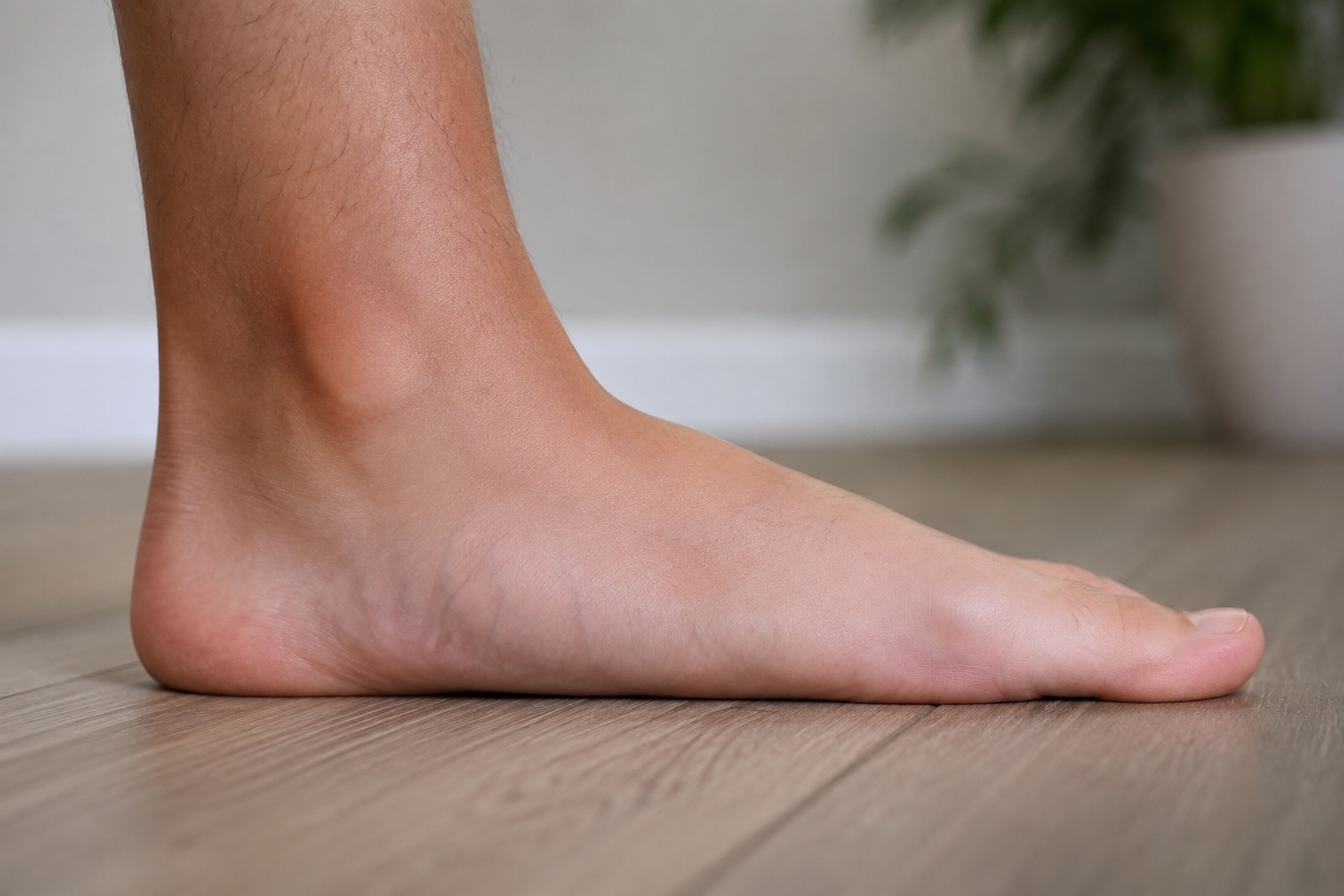
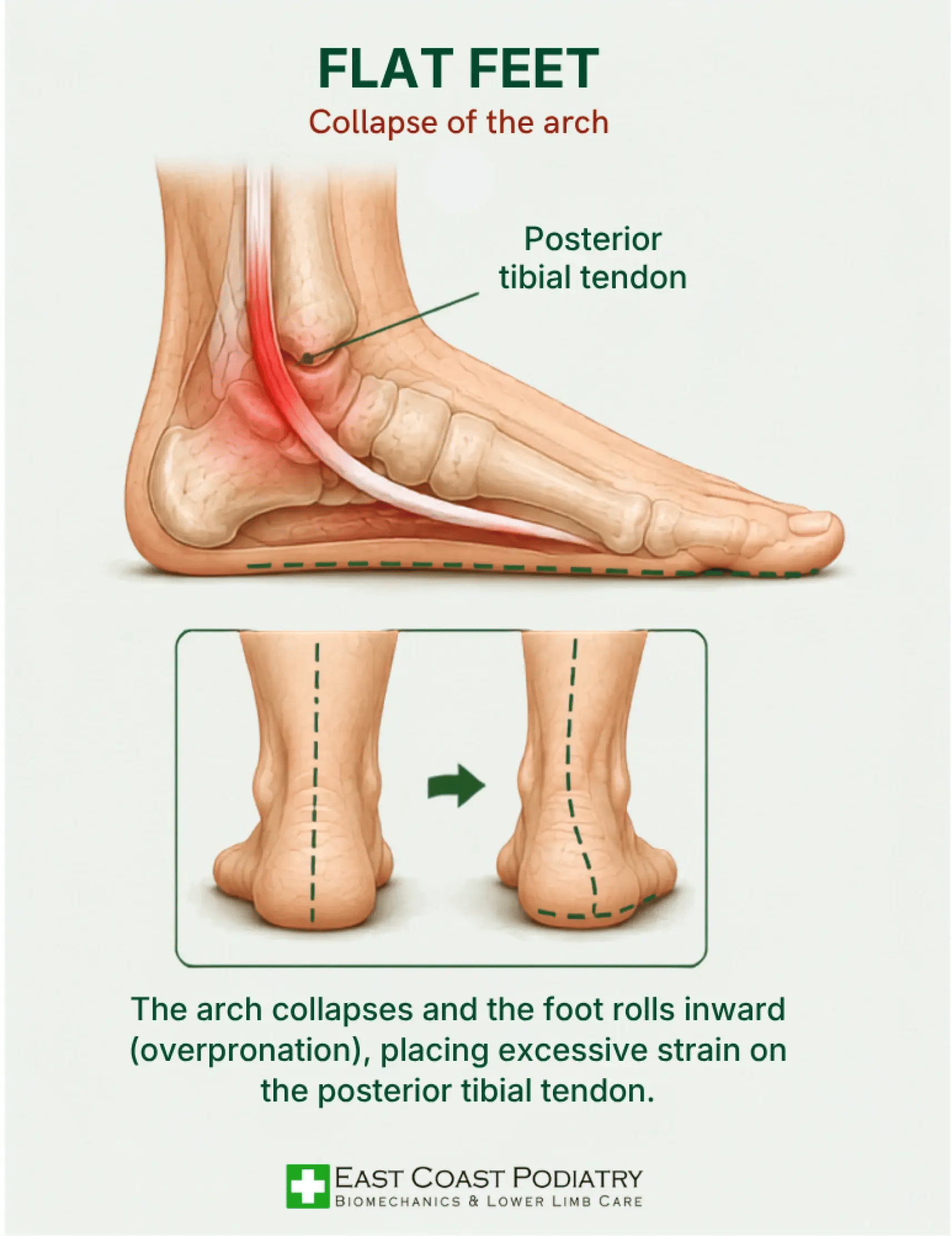
Arch height is a major characteristic of a wide range of foot shape variants. Low arch height results in flat feet, or pes planus. A flat foot is not usually abnormal in itself, but it can predispose an individual to many musculoskeletal conditions and injuries.
Therefore, it is used by non-specialists as an umbrella term to describe any foot problem which features a low arch. This is why just using a generic arch support often does not resolve an individual’s foot pain, even if he/she has flat feet. “Flat feet” is not a medical diagnosis by itself.
As lower limb specialists, podiatrists conduct a full biomechanical examination in order to make a comprehensive diagnosis of a patient’s current foot condition and identify likely future risks. Addressing the low arch height is the first step.
Flat feet are a very common condition in Singapore. This is due to the genetic demographics of the region, where this type of foot may be hereditary, acquired or due to ligamentous laxity. The artificial surfaces we walk upon every day expose our feet to greater wear and tear or degeneration.
The foot is the foundation of the whole body. Fallen arches put the feet out of alignment. Consequently, greater stress is placed on other joints in the body to help compensate. This is often the cause of soft tissue pathology; the two most common ones are Achilles tendinitis (tendon overuse injury) or Plantar fasciitis (inflammation of the fascia).
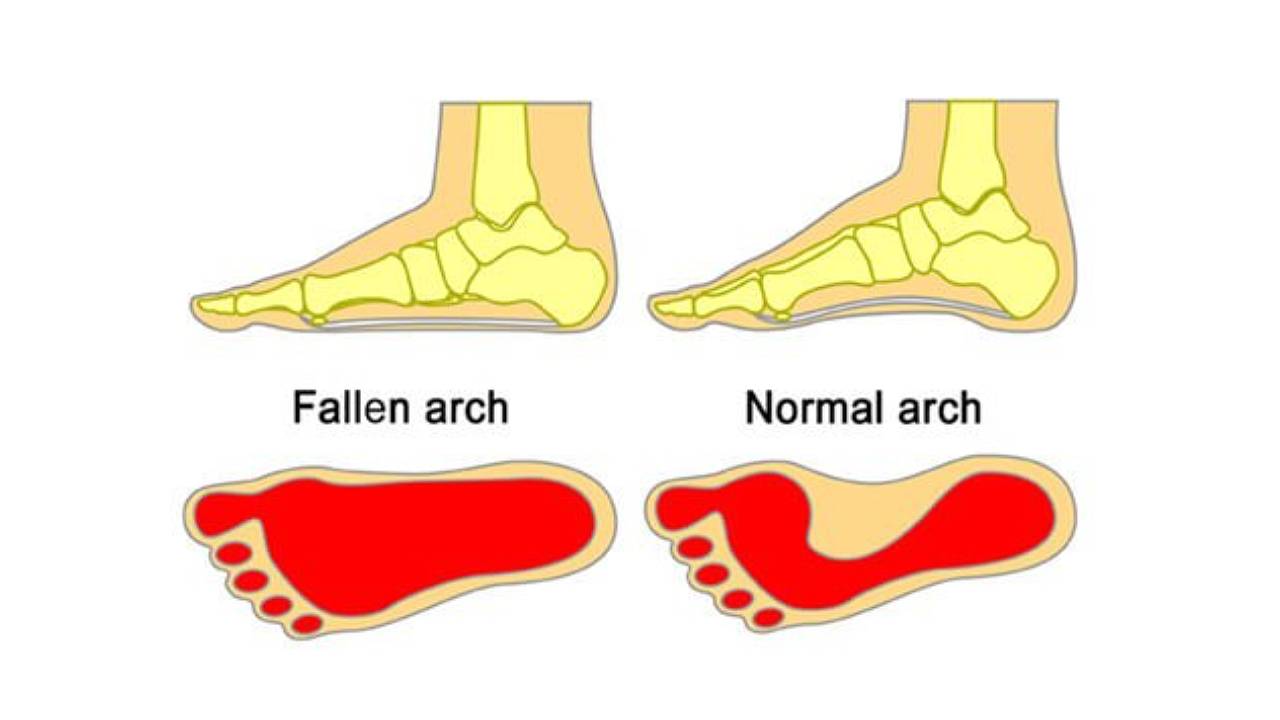
There are 2 kinds of flat feet:
- Congenital flat foot is often hereditary and present in varying degrees of severity in children as young as 2 years old. In most paediatric flat foot cases, the child may appear to have arches when seated or standing on tiptoes. The medial arch only collapses when the child stands up. Flat-footed individuals may also be diagnosed with hypermobility, a condition related to the laxity of ligaments. This laxity can also cause problems elsewhere in the lower limbs, such as the knees and hips.
- Adult-acquired flat foot can be caused by conditions such as posterior tibial tendon dysfunction (PTTD), arthritis, injury or diabetes. If unaddressed, the affected foot may deform and collapse further over time. This can result in loss of mobility, postural changes, and pain in the ankle, knee, hip or lower back.
Symptoms of Flat Feet
Many people with flat feet never experience pain at all. The common symptoms, when they do appear, come from the structures working harder to compensate:
- Arch pain, or pain around the heel bone
- Ankle pain or a feeling of instability while walking
- Feet that become tired and achy after prolonged standing or walking
- Swelling along the inner side of the ankle
- Flattening of the arch, more noticeable when standing
- Outward tilting of the heel, sometimes accompanied by uneven shoe wear
- Limited foot flexibility or stiffness in the arch
- Knee, hip, or lower back discomfort due to altered posture or pronation
Conditions That Cause Flat Feet
- Heredity: the most common reason. The foot shape runs in families and is present from childhood.
- Ligamentous laxity: looser ligaments allow the arch to drop under load and can affect the knees and hips as well.
- Posterior tibial tendon dysfunction (PTTD): when the tendon that supports the arch weakens or tears, the arch gradually collapses. This is the usual route into adult-acquired flat foot.
- Arthritis: joint damage in the midfoot or hindfoot can let the arch give way.
- Injury: a fracture, dislocation or ligament rupture in the foot can alter the arch permanently.
- Diabetes: nerve and soft tissue changes affect the foot's structural support, and in advanced cases can lead to Charcot foot.
- Ageing and accumulated load: years of walking on hard surfaces add wear to the structures holding the arch up.
A low arch rarely stays a local problem because it changes how force travels through the limbs. Flat feet are frequently seen alongside:
- Plantar Fasciitis: inflammation of the fascia along the sole, where a collapsing arch keeps it under tension.
- Achilles Tendonitis: overuse of the Achilles tendon as the heel position changes.
- Posterior Tibial Tendon Dysfunction (PTTD): both a cause of adult flat foot and a consequence of the extra load.
- Heel Pain: a common presenting complaint in flat-footed patients.
- Bunions: a flat foot shifts pressure to the inner forefoot and the big toe joint.
- Knee Pain: altered alignment at the foot changes the load on the knee.
- Shin Splints: a frequent problem in flat-footed runners and recruits.
- Hypermobility: ligament laxity that often appears alongside a low arch.
- Arthritis of the Foot: joint damage that can both cause and follow a collapsing arch.
Common Causes of Flat Feet
What Causes Flat Feet?
- Heredity: the most common reason. The foot shape runs in families and is present from childhood.
- Ligamentous laxity: looser ligaments allow the arch to drop under load, and can affect the knees and hips as well.
- Posterior tibial tendon dysfunction: when the tendon that supports the arch weakens or tears, the arch gradually collapses. This is the usual route into adult-acquired flat foot.
- Arthritis: joint damage in the midfoot or hindfoot can let the arch give way.
- Injury: a fracture, dislocation or ligament rupture in the foot can alter the arch permanently.
- Diabetes: nerve and soft tissue changes affect the foot's structural support, and in advanced cases can lead to Charcot foot.
- Ageing and accumulated load: years of walking on hard surfaces add wear to the structures holding the arch up.
Who Is at Greater Risk of Flat Feet?
Flat feet can affect anyone, but you may be more likely to develop them or experience symptoms if you:
- Have a family history of flat feet or naturally flexible joints.
- Are over 40 (especially women), pregnant, or carrying excess weight.
- Have diabetes, rheumatoid arthritis, high blood pressure, or a neurological condition.
- Have had a foot or ankle injury, particularly to the tendons or ligaments supporting the arch.
- Stand or walk for long hours on hard surfaces, which can worsen symptoms.
Note: Flat feet are normal in young children, and arches typically develop by around age 6. If your child’s flat feet are painful, stiff, or affect only one foot, it’s worth having them assessed.