

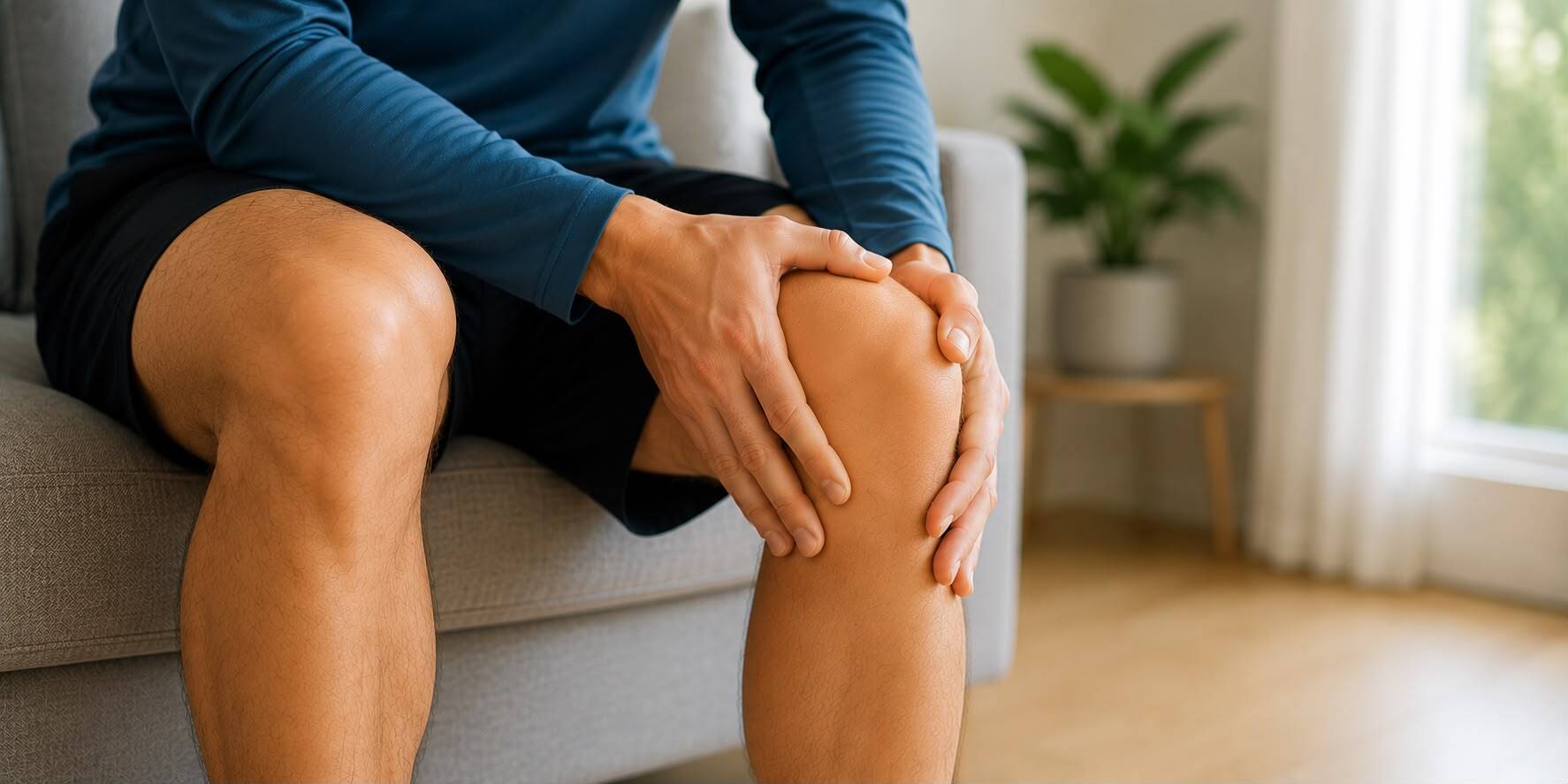
What Is Knee Pain?
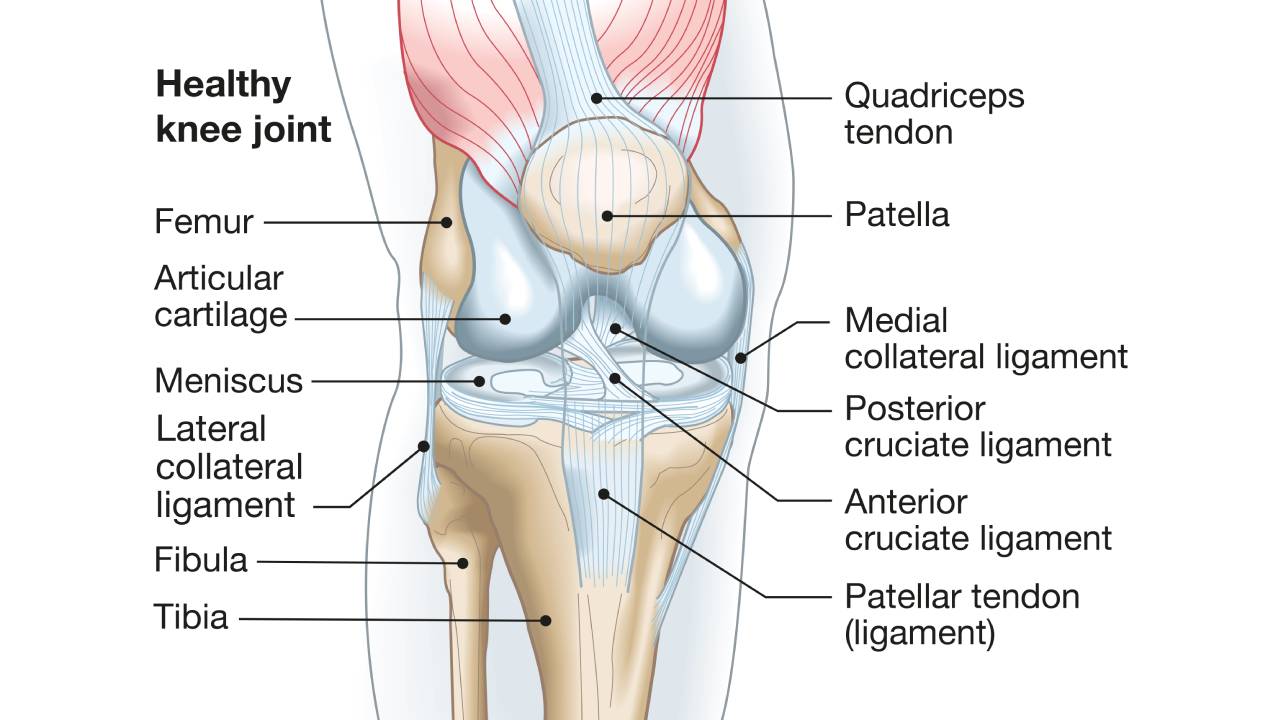
Knee pain is discomfort in or around the knee joint, which relies on bone, cartilage, ligaments and tendons working together with every step. When one of these structures is strained, injured or inflamed, simple movements such as walking, climbing stairs, or bending and straightening the leg can become painful. For some people, it only shows up after more active pursuits like running. Pain can also start elsewhere: pain in the foot or hip changes how you walk and adds stress to the knee.
Symptoms of Knee Pain
Knee pain symptoms can manifest in various ways, often depending on the underlying cause. Here are the most common and distinguishable signs to watch for:
- Pain and Tenderness: Discomfort can occur suddenly, as with injuries, or gradually, as seen in degenerative conditions. Pain may intensify with movement or after prolonged rest, depending on the cause.
- Swelling or Warmth: Swelling is a visible sign of inflammation or injury. In some cases, the knee may feel warm to the touch or appear red, often indicating conditions like gout, bursitis, or infections.
- Reduced Flexibility or Stiffness: Stiffness or difficulty bending and straightening the knee can limit daily activities. This is common with arthritis, meniscus tears, or prolonged inactivity.
- Instability or Giving Way: Feeling like the knee might buckle or give way is a sign of joint instability, often linked to ligament injuries or muscle weakness. This can affect balance and mobility.
- Unusual Sensations: Popping sounds (crepitus), crackling sensations, or a feeling of catching or locking when moving the knee can occur. These are often caused by cartilage wear, loose fragments, or meniscus tears.
- Visible Changes or Swelling: Trauma may lead to visible deformities, like a dislocated kneecap or fractured bone, while chronic swelling or fluid buildup may indicate conditions like Baker’s cyst.
- Localised Discomfort: Pain may vary by location. Front knee pain may point to patellofemoral pain syndrome, while pain behind the knee may suggest Baker’s cyst or tightness from swelling.
- Difficulty in Bearing Weight: Pain or instability when walking, climbing stairs, or standing can signal structural damage, inflammation, or overuse injuries affecting the joint.
- Menopausal Joint Pain: The drop in oestrogen during menopause can lead to joint stiffness and knee pain. Hormonal changes also often cause weight gain, adding extra stress on the knees and worsening discomfort.
Conditions That Cause Knee Pain
Knee pain is often a sign of a more specific condition. The most common include:
- Iliotibial Band Syndrome: Irritation of the iliotibial band, a thick band of tissue running along the outer thigh, caused by repetitive activities like cycling or running.
- Knee Fracture: A break in the bones around the knee, such as the kneecap, typically caused by falls, trauma, or accidents.
- Hip or Foot Pain: Altered walking patterns due to pain in the foot or hip can place additional stress on the knee joint.
- Osteoarthritis: A degenerative joint condition caused by the gradual breakdown of one’s knee cartilage.
- Rheumatoid Arthritis: An autoimmune disorder where the body’s immune system attacks the knee joint lining.
- Gout: A buildup of uric acid crystals in the knee joint. Symptoms of gout are often triggered by a poor diet or dehydration.
- Patellofemoral Pain Syndrome: Also known as Runner’s Knee, this type of knee pain is due to overuse or poor alignment of the knee.
- Anterior Cruciate Ligament (ACL) Injury: A tear in the ACL. It’s often caused by sudden stops or changes in direction during activities like sports.
- Torn Knee Meniscus: A tear in the cartilage that cushions the knee joint, usually caused by twisting or turning motions.
- Knee Bursitis: Inflammation of the fluid-filled sacs (bursae) that cushion the knee joint, often due to repetitive pressure or overuse.
- Patellar Tendonitis: Inflammation of the tendon connecting the kneecap to the shinbone, commonly seen in athletes who engage in jumping or repetitive running.
- Loose Body: A fragment of bone or cartilage that breaks off and floats within the joint space, often caused by injury or degeneration.
- Dislocated Kneecap: When the kneecap shifts out of its normal position, typically due to trauma or sudden twists.
- Pseudogout: A condition that is similar to gout. Pseudogout is caused by calcium crystal deposits in the joint fluid.
- Septic Arthritis: A bacterial infection in the knee joint. This is a medical emergency that requires immediate attention.
- Sprain or Strained Ligaments: Overstretching or tearing of the ligaments surrounding the knee. Typically caused by sudden movements or trauma.
- Baker’s Cyst: A fluid-filled swelling at the back of the knee, often associated with underlying joint conditions.
- Osgood-Schlatter Disease: A condition common in growing adolescents, caused by stress on the patellar tendon at the shinbone.
- Chondromalacia: This is the softening or deterioration of the cartilage located under the kneecap.
- Plica Syndrome: Inflammation or irritation of the plica. This is a fold of synovial tissue found in the knee.
Causes of Knee Pain
What Causes Knee Pain?
- Repetitive Movements: Activities that involve frequent bending, kneeling, or squatting can place ongoing stress on the knee, gradually leading to discomfort.
- Sudden Movements or Twists: Quick changes in direction or awkward movements, especially during physical activity, can strain the knee joint even without a direct injury.
- Prolonged Sitting or Standing: Staying in the same position for extended periods can cause stiffness or discomfort in the knees due to lack of movement.
- Weight-Bearing Stress: Carrying heavy loads or being overweight increases pressure on the knees, which can lead to wear and discomfort over time.
- Improper Footwear: Shoes that lack proper support or cushioning can alter your posture and walking pattern, placing added strain on the knees.
- Weak or Tight Muscles: Muscle imbalances or tightness, particularly in the legs, can affect how the knee absorbs impact and moves during activity.
- Natural Ageing: As we age, the knee joint naturally loses some of its resilience, making it more susceptible to strain and everyday wear.
- Poor Posture or Movement Habits: Slouching, poor running form, or improper techniques during physical activities can increase stress on the knee joint.
- Inadequate Recovery: Overtraining or failing to rest after physical activity can overburden the knees, leading to strain and discomfort.
- Environmental Factors: Activities on hard or uneven surfaces can place extra stress on the knees, especially during prolonged or repetitive movements.
Who Is at Greater Risk of Knee Pain?
Knee pain can affect anyone, but some groups are at greater risk due to specific factors:
- Athletes and runners doing high-impact activities like running or jumping.
- Older adults, as the joint naturally loses some resilience with age.
- People carrying excess body weight.
- Women going through menopause, as falling oestrogen can bring joint stiffness and weight gain.
- People with arthritis or flat feet, which can inflame the joint or change how the knee moves.