

Wednesday, 24 December 2025
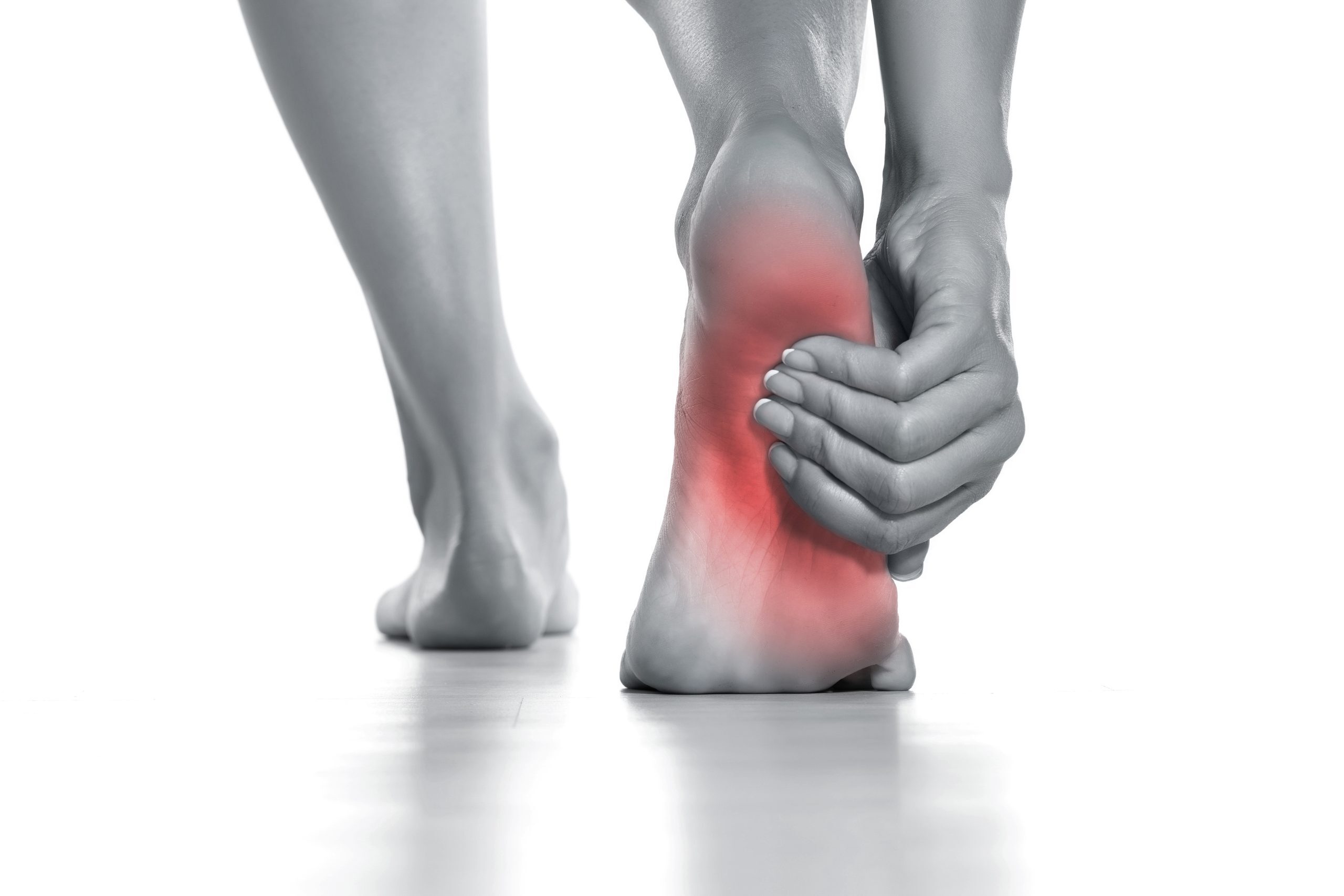
Whenever our feet start hurting while we’re out and about, many of us blame it on hectic workdays, ageing, or shoes that aren’t doing us any favours, or just walking more than usual. So, we push through until it’s really messing with our routine, like even a quick trip to the store feels brutal.
Truth is, though, constant foot pain? That’s not something you should just accept as “normal.” It’s not about getting old or being soft; it’s your body trying to tell you something.
Podiatrists will tell you it’s usually not the real problem itself, but a red flag for how your body’s been adapting, shifting around weight, or making do over the long haul. This article will talk about the common myths people have about foot pain, preventive instructions and care options before your foot pain becomes really problematic.
Why foot pain is so easily normalised in Singapore
Many of us walk extensively and get involved in hectic work hours, which is perceived as normal in our daily lives, but it is actually contributing to our long-standing foot pain.
Contributing factors include:
- Busy lifestyles: We work for long hours, overlooking the pain and discomfort.
- Age-related assumptions: Foot discomfort is considered an age-related issue.
- Footwear assumptions: Cushioned shoes are believed to be a game-changer in foot pain issues.
- Symptom-based thinking: Intermittent pain is considered insignificant.
However, the body does not operate in isolation. Persistent pain generally indicates compensatory changes in load distribution, movement patterns, or musculoskeletal function.
Pain is a symptom, not the root cause
One of the biggest misunderstandings about foot pain is the belief that pain equals damage at the site of discomfort. In reality, pain often shows up far away from the original problem.
For example:
- Heel pain may be associated with reduced ankle mobility.
- Forefoot pain can result from altered load distribution during walking.
- Arch pain may indicate fatigue or weakness in proximal structures.
The feet absorb forces with each step, often exceeding body weight. Small changes in movement can increase tissue load, potentially leading to irritation, inflammation, or degenerative changes. Treating pain without evaluating contributing factors does not address the underlying issue.
“I Can Still Walk, So It Can’t Be Serious”
This is one of the dangerous assumptions people make.
Human bodies are excellent at adapting. If one structure isn’t doing its job properly, another will try to compensate. That compensation allows you to keep moving, but at a cost.
Many patients seek podiatry care only after months or years of discomfort. By that time:
- Gait patterns may have changed.
- Muscles may have weakened or tightened.
- Stress may have shifted to the knees, hips, or lower back.
The absence of severe pain does not mean healthy movement. It often means your body has learnt to cope, for now.
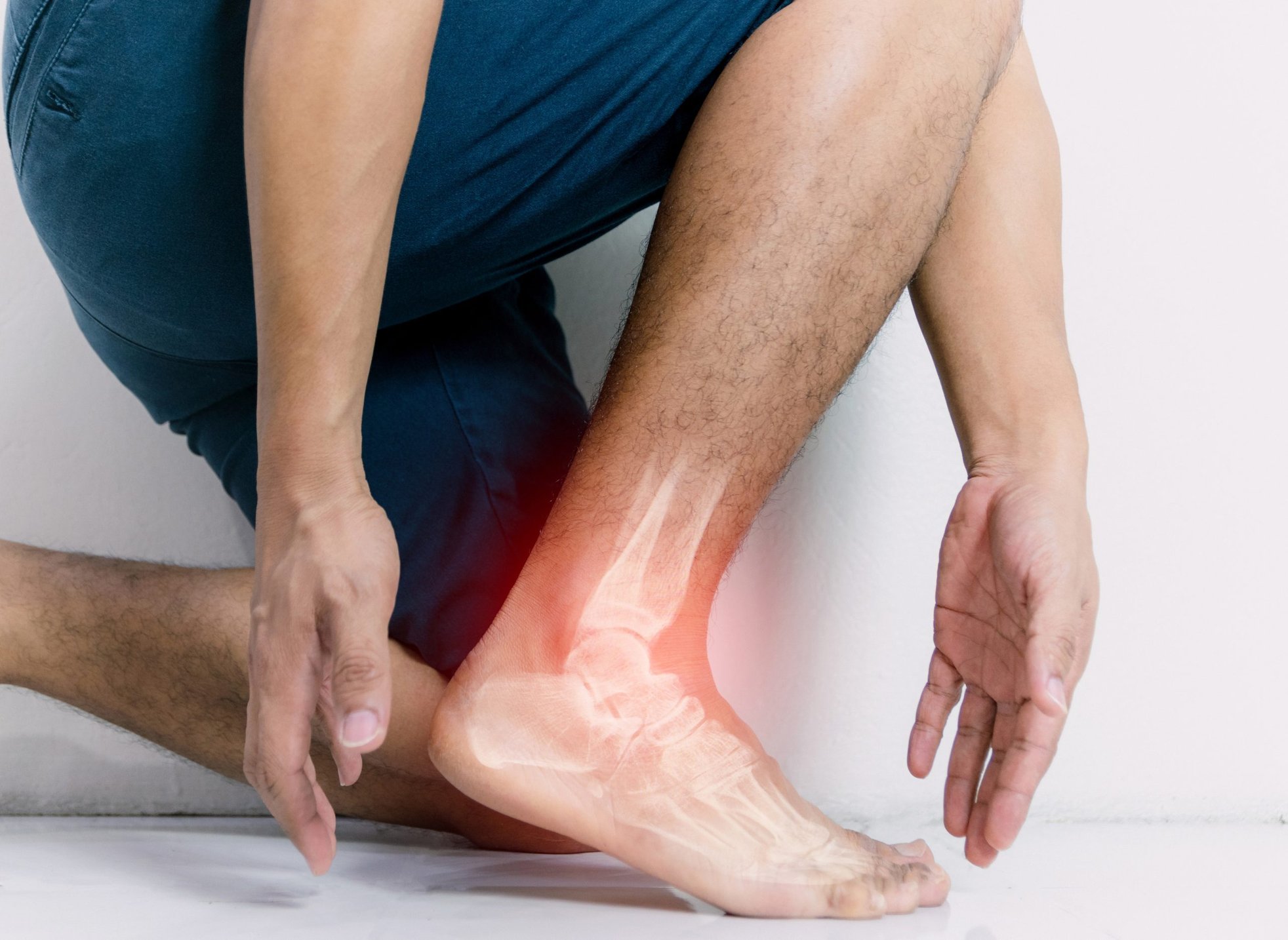
Foot pain and the domino effect on the body
Your feet form the foundation of movement. When something is off at the base, the effects ripple upward.
Unaddressed foot pain is frequently linked to:
- Knee pain due to altered loading
- Hip discomfort from uneven stride mechanics
- Lower back pain from postural compensation
- Reduced balance and stability with age
In Singapore’s ageing population, this becomes actually important. Falls, reduced mobility, and loss of independence are often preceded by subtle changes in walking patterns, many of which start at the feet.
Early podiatric assessment isn’t just about pain relief. It’s about preserving movement quality.
Why “Good Shoes” aren’t always the answer
Many people try to solve foot pain by buying more supportive or cushioned footwear. While shoes play a role, they are rarely a complete solution.
In some cases, excessive cushioning:
- Reduces sensory feedback from the ground
- Alters natural foot loading
- Encourages reliance rather than strength
Footwear should support your biomechanics, not replace them. Without proper assessment, even well-marketed shoes can mask symptoms while allowing underlying issues to worsen.
This is why personalised evaluation matters more than generic advice.
Ageing does not automatically mean pain
Another common myth is that foot pain is inevitable with age. While structural changes do occur over time, pain is not a guaranteed outcome.
What often changes with age is:
- Muscle strength
- Joint mobility
- Tissue recovery capacity
When these changes aren’t addressed, movement efficiency declines. But with proper care, including targeted exercises, gait assessment, and load management, many people maintain comfortable mobility well into later life.
The role of preventive podiatry
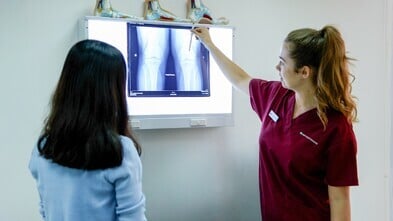
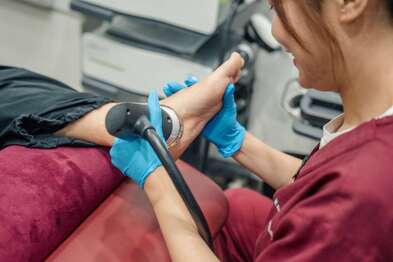
Modern podiatry extends far beyond treating pain once it becomes unbearable. Preventive care focuses on identifying risk factors early, before they develop into chronic conditions.
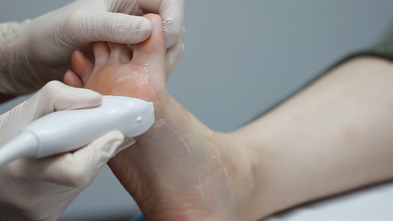
A comprehensive podiatry assessment may evaluate:
- Walking and running mechanics
- Joint mobility and flexibility
- Muscle strength and coordination
- Load distribution across the feet
- Footwear suitability for lifestyle demands
By addressing inefficiencies early, podiatry helps reduce long-term strain on the feet and the rest of the body.
When should you see a podiatrist?
You don’t need to wait for severe pain. Consider seeking professional assessment if you experience:
- Foot discomfort lasting more than a few weeks
- Pain that returns after rest
- Changes in walking pattern
- Recurrent calluses or pressure points
- Pain that shifts from one area to another
Rethinking foot pain in Singapore
Foot pain is not something to accept quietly. It is feedback from your body, valuable information that should not be ignored.
In a fast-paced environment like Singapore, maintaining mobility isn’t just about comfort. It’s about independence, productivity, and long-term health. The earlier movement issues are identified, the more options exist to address them conservatively.
Rather than asking, “Can I tolerate this?”
The better question is, “Why is this happening?”
Because pain-free movement shouldn’t be the exception, it should be the standard.
About East Coast Podiatry
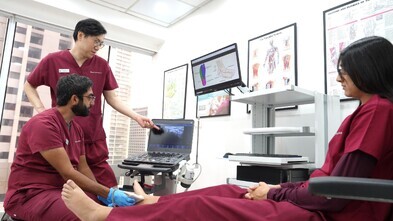
At East Coast Podiatry, we focus on evidence-based assessment, movement analysis, and personalised care to help patients move better, not just feel better. Our approach goes beyond symptom management to address the root causes of foot and lower limb issues.