

Wednesday, 12 November 2025
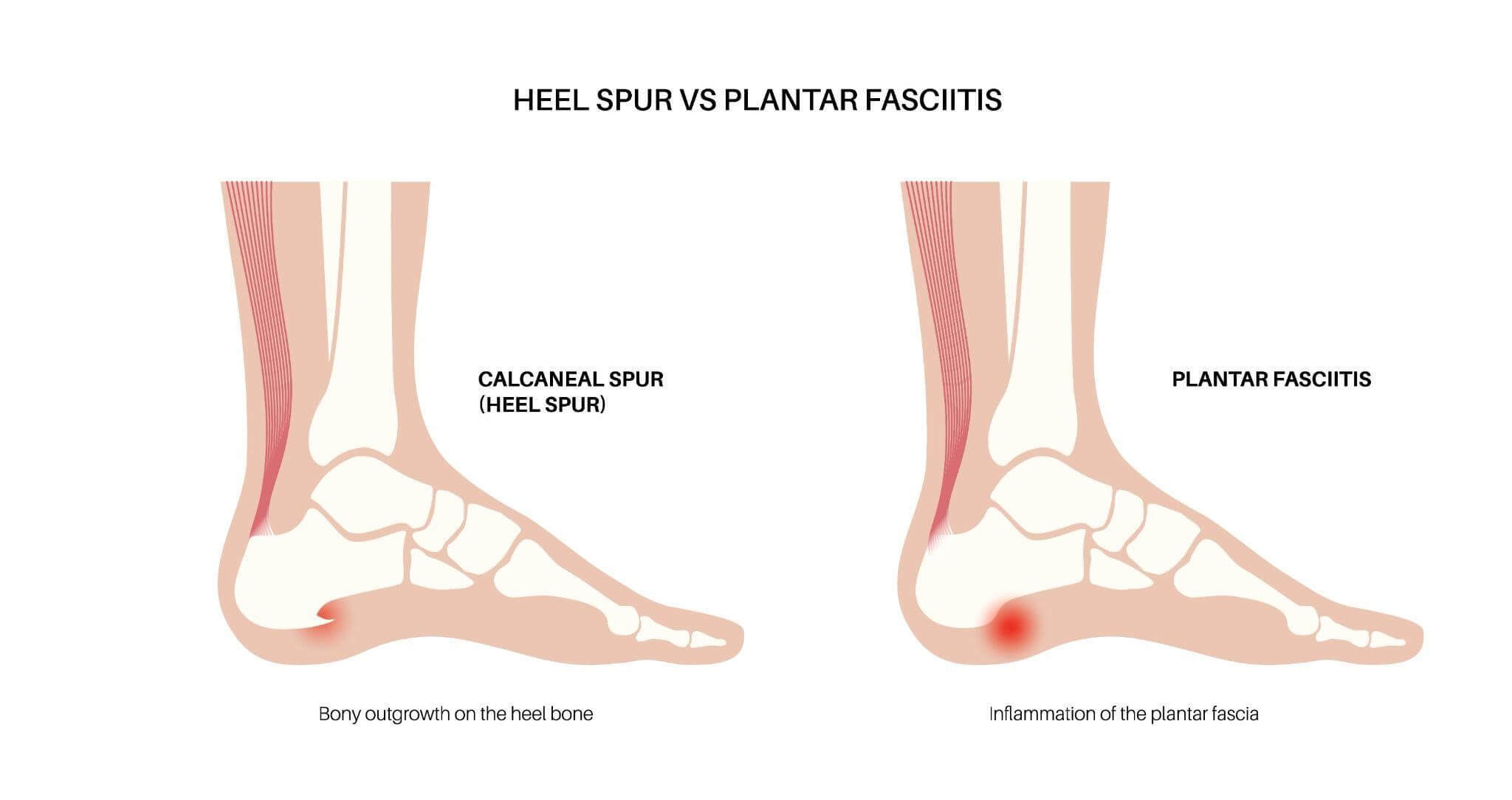
Heel pain after a run isn’t just frustrating—it can disrupt your training, daily activity, and overall quality of life. Two of the most common causes of heel pain in runners are plantar fasciitis and heel spurs; although they often occur together, they are distinct conditions with different symptoms and care plans.
Let’s take a closer look at the differences and how to get the right care.
What Is Plantar Fasciitis?
Plantar fasciitis is one of the most common causes of heel pain. It involves inflammation of the plantar fascia, the thick band of tissue running along the bottom of your foot, connecting your heel bone to your toes.
Symptoms of Plantar Fasciitis:
- Sharp pain at the bottom of the heel, especially when taking your first steps in the morning
- Pain that worsens after standing or walking for long periods
- Tightness in the arch or ankle
- Relief after resting, but pain may return after activity
This condition is most common in runners, people with high arches or flat feet, or those who wear unsupportive shoes.
What Is a Heel Spur?
A heel spur is a bony growth that develops on the underside of the heel bone, often caused by long-term strain on the foot muscles and ligaments. It can result from repeated stress, like running on hard surfaces or wearing improper footwear.
Symptoms of a Heel Spur:
- A sharp pain or dull ache in the back of the heel
- Pain during or after exercise, but not usually the first thing in the morning
- Inflammation and tenderness at the point of the spur
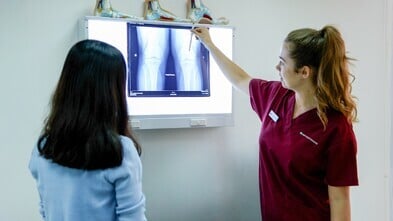
- It may not always be painful; it may sometimes be discovered via X-ray when investigating heel pain
It’s important to note that heel spurs are not always the cause of pain—they are often present alongside plantar fasciitis, and the soft tissue inflammation is what causes discomfort
Plantar Fasciitis vs Heel Spur: What’s the Real Cause of Your Pain?
| Feature | Plantar Fasciitis | Heel Spur |
|---|---|---|
| Pain Location | Bottom of the heel | Back or bottom of the heel |
| When It Hurts Most | First steps in the morning | During/after the activity |
| Cause | Inflammation of tissue | Bony growth due to strain |
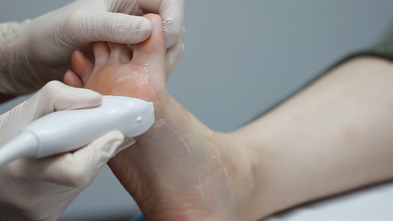
| Assessment | Clinical assessment | X-ray |
| Support | Stretching, orthotics, and rest | Same as plantar fasciitis; surgery is rarely needed |
Often, the plantar fascia pulls on the heel bone, contributing to the development of a heel spur, so the conditions can be interlinked.
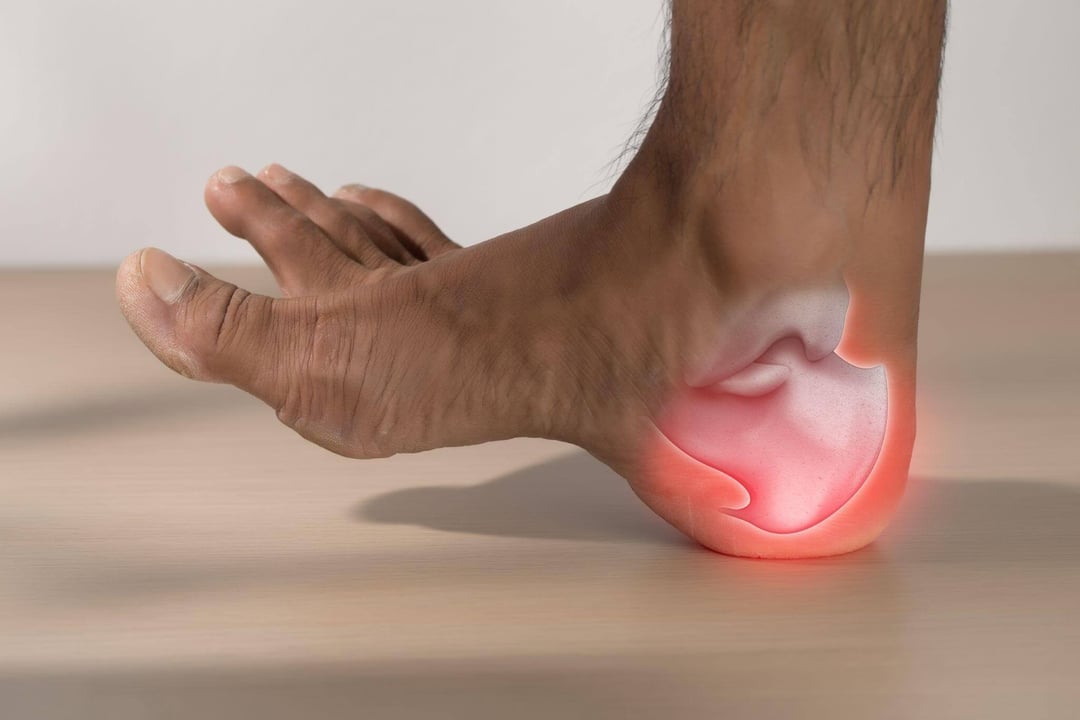
Contributing Factors to Heel Pain in Runners
Several issues can increase the load on your heel and contribute to pain:
- Overuse and excessive running
- Sudden increases in training volume
- Unsupportive or worn-out shoes
- High arches or flat feet
- Poor running technique
- Tight calf or Achilles tendon
Get Relief: Care Management Options
Whether you’re dealing with a heel spur, plantar fasciitis, or both, early intervention is key.
Support options include:
- Rest and ice to reduce inflammation
- Stretching exercises for the plantar fascia and Achilles tendon
- Supportive shoes or insole orthotics
- Anti-inflammatory medications (as advised by a GP or podiatrist)
- Physical therapy to strengthen the foot and ankle
- Night splints to keep the foot in a neutral position
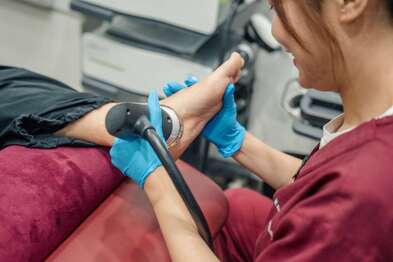
- Shockwave therapy for chronic cases
- Surgery is considered a last resort
When to Seek Help From a Podiatrist
If your heel pain persists beyond a few weeks despite self-care, it’s important to consult a podiatrist . They can assess the type of heel pain, rule out other conditions, and develop a care plan tailored to your needs.
Don’t Let Heel Pain Keep You from Running
Heel pain doesn’t have to be part of your sport. By understanding the real cause, whether it’s plantar fasciitis, a heel spur, or both, you can take the correct steps toward relief and long-term foot health.
Early intervention is crucial to reduce pain, prevent further injury, and get back on track safely. Discover the cause. Get the right care with our experienced and trusted podiatrists.