

Skip to content

What is patellofemoral pain syndrome?

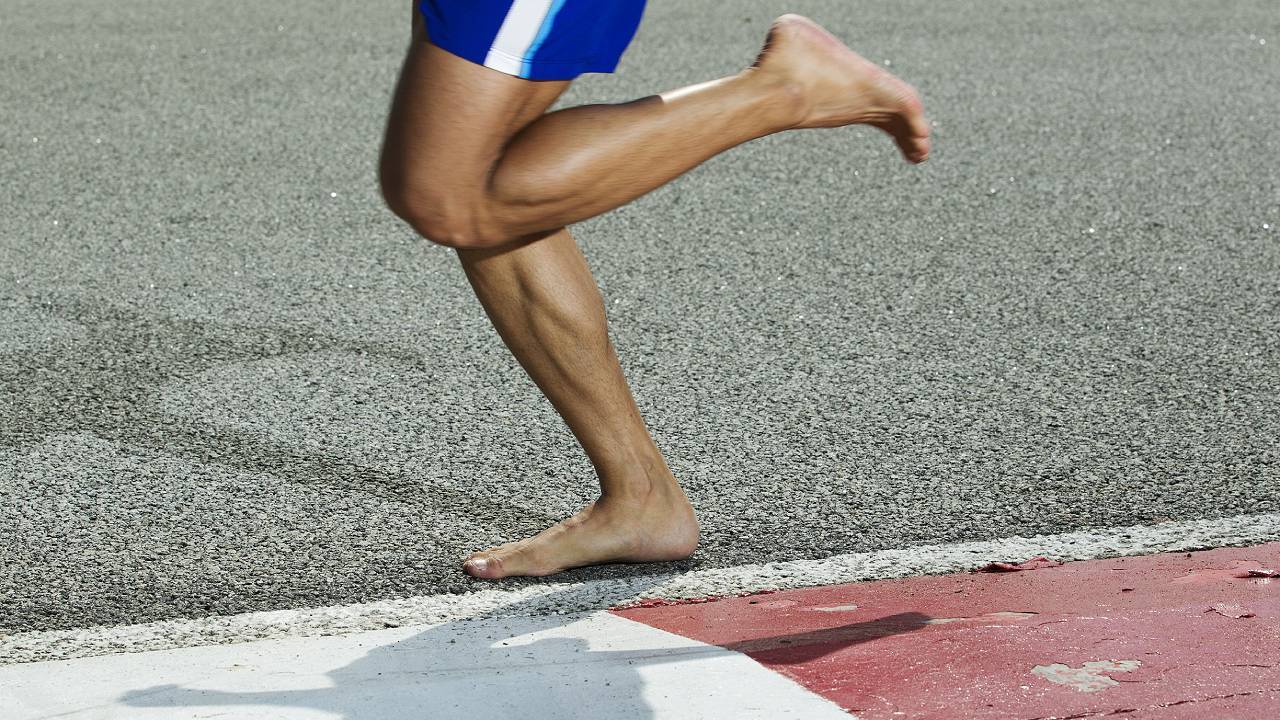
Avid runners in Singapore may experience pain behind or around the kneecap after a run. This may be a sign of a condition commonly known as Runner’s Knee, also known as patellofemoral pain syndrome. The knee is the largest joint in the body and it is composed of the femur (thigh bone), tibia (leg bone), and patella (knee cap). The kneecap rests on the sulcus of the thigh bone and articulates smoothly with it. The patellofemoral pain syndrome is the misalignment of the kneecap against the thigh bone which causes tracking disorder during knee movement.

What are the signs and symptoms?

The main symptom of patellofemoral pain syndrome is a diffuse pain or stiffness in the kneecap and its surrounding soft tissue. Pain is worse when the knee undergoes flexion and extension motions such as kneeling, climbing stairs, running, jumping and cycling. Grinding or clicking sensations can also be felt at times. Sitting in a bent knee position for too long may also trigger pain, such as in the cinema or on a plane.

What causes patellofemoral pain syndrome?
runners-knee-image

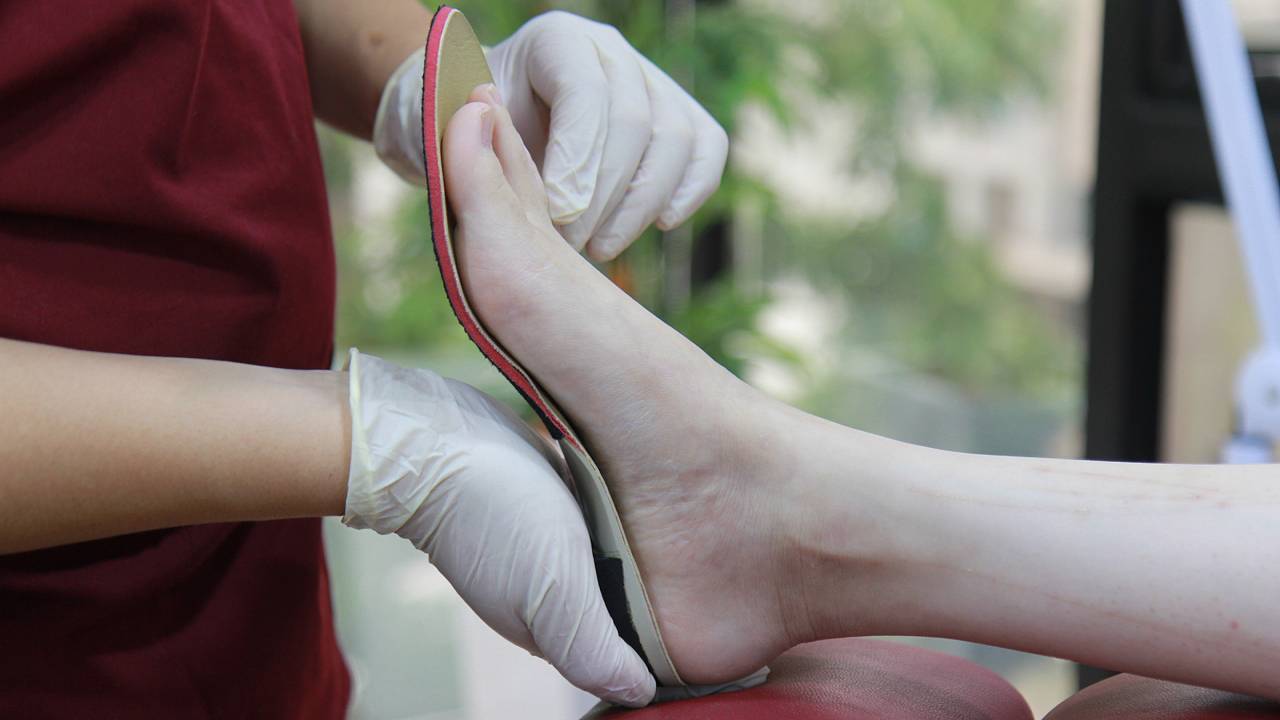
The most common cause of patellofemoral pain syndrome is the poor biomechanical function of the lower limb (i.e. the way your leg functions whist walking and exercising). This can be due to a poor control around the hip and/or poor foot function such as flat foot which can be corrected by customized flat foot insoles.

Some factors which can contribute to worsening of the syndrome are:

  • Muscular weakness/imbalances at the front of the thigh (quadriceps)
  • Malalignment between the position of the knee cap and the thigh bone
  • Increased level of physical activities
  • Improper training techniques or equipment

How is it diagnosed?

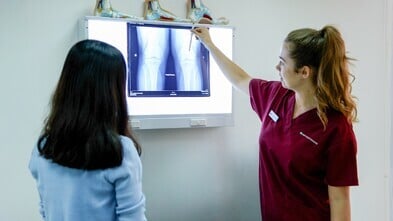
Diagnosing patellofemoral pain syndrome requires the physical examination and gait analysis. Imaging such as X-rays can be helpful in ruling out chondromalacia patella (kneecap arthritis), which is often associated with patellofemoral pain syndrome.

What can a podiatrist do for you?

Podiatric interventions may include:

One solution to this syndrome is surgery, but for patients who prefer to avoid surgery, they can opt for conservative, non-invasive interventions by qualified podiatrists. If you suspect that you have patellofemoral pain syndrome, it is advisable to visit a podiatrist for a proper diagnosis and address the condition worsens and impairs your sports and daily activities.
podiatrist-fit-insole-image

Book an Appointment

Opening Hours

With five conveniently located clinics in Bukit Timah, Kembangan, Novena, and Orchard, we provide thorough reviews and personalised care methods to address a wide range of lower limb issues that you or your family members might face. From initial assessment to tailored care plans, we ensure that every step of your journey is handled with expertise and attention to detail.

Mon to Sat - 9am to 6pm, Sun & Public Holidays - Closed

We recommend that you schedule an appointment prior to visiting our clinics.

Orchard

302 Orchard Road
Tong Building #09-02 (Rolex Centre)
Singapore 238862
Tel: +(65) 6884 4123

Kembangan

18 Jalan Masjid
Kembangan Plaza #B1-02
Singapore 418944
Tel: +(65) 6848 5156

Novena

10 Sinaran Drive
Novena Medical Centre #08-13
Singapore 307506
Tel: +(65) 6235 2132

Bukit Timah

1 Fifth Avenue
Guthrie House #02-04
Singapore 268802
Tel: +(65) 6235 9080

Marine Parade

80 Marine Parade Rd
Parkway Parade #08-04
Singapore 449269
Tel: +(65) 6592 8082