


Friday, 10 October 2025
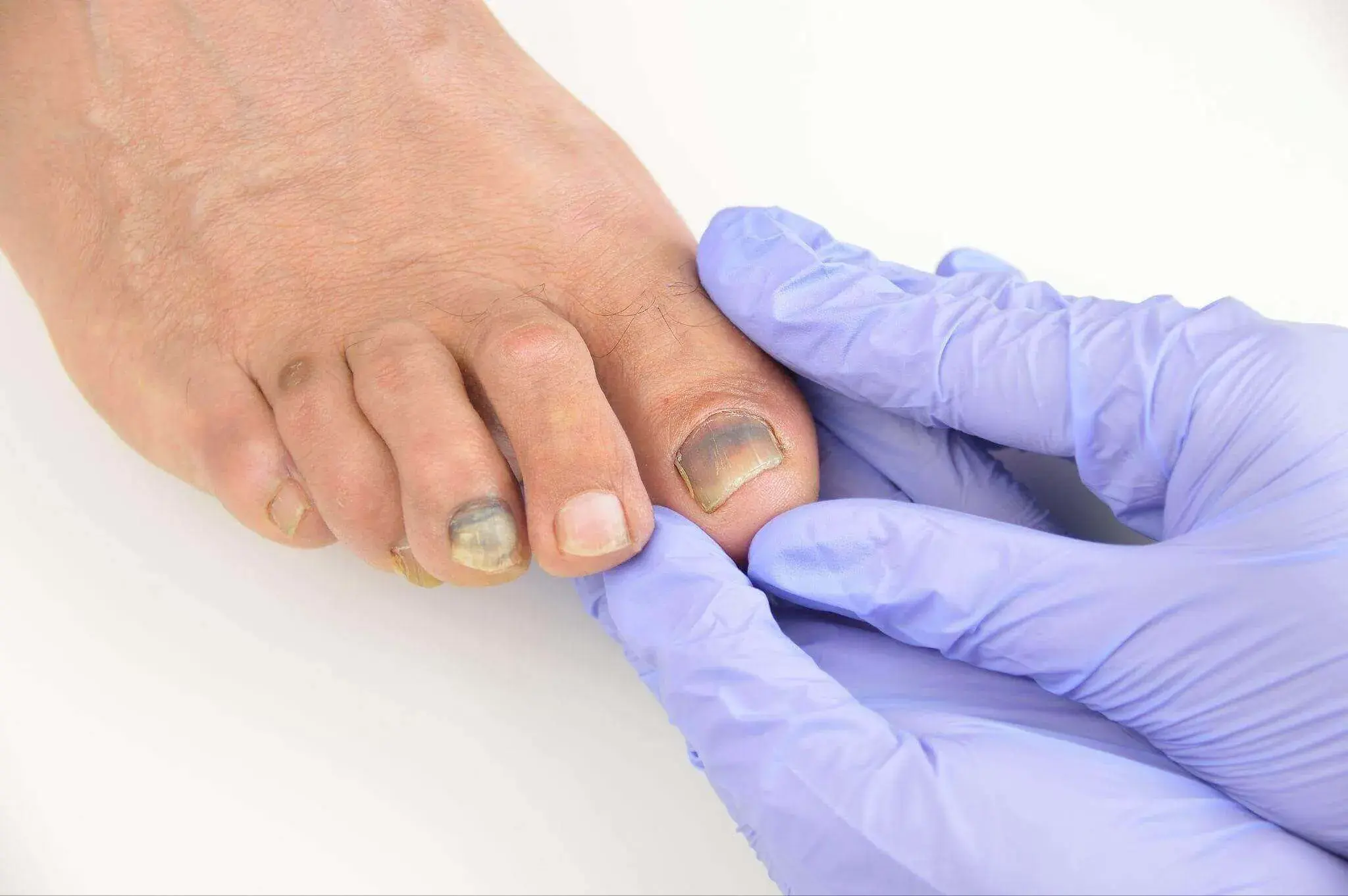
Toenail trauma can be both painful and persistent if not addressed properly. Whether it’s the result of stubbing your toe, dropping something heavy, or wearing ill-fitting shoes, even minor nail injuries can lead to infection, permanent damage, or nail loss. Recognising early signs and applying the right care strategies is key to keeping your feet healthy, especially in Singapore’s humid climate, which can complicate nail regrowth.
Below, we explore common causes and symptoms of nail trauma and share 10 expert tips to help you manage and prevent future issues.
What are the Common Causes of Toenail Trauma?
Toenail injuries are commonly caused by:
- Acute trauma: like stubbing your toe or dropping a heavy object
- Repetitive microtrauma: from activities like long-distance running or wearing tight shoes
- Sports injuries: or improperly fitting footwear during physical activities
What are the Common Symptoms of Nail Trauma?
Watch for these signs:
- Throbbing or sharp pain in the toe
- Swelling or tenderness around the nail
- Dark discolouration or blood under the nail (subungual hematoma)
- Nail plate lifting or falling off
- Pus, redness, or fever indicating possible infection
10 Tips to Manage Toenail Trauma and Protect Your Feet
- Trim Toenails Straight AcrossAlways trim your toenails straight and not too short. Avoid rounding corners, which can cause ingrown toenails. Smooth, sharp edges with a file to reduce catching or tearing on socks.
- Wear Properly Fitting ShoesFootwear that’s too tight puts pressure on your nails, leading to thickening, bruising, or breakage. Choose shoes with enough room in the toe box and breathable materials, especially in humid Singapore.
- Use Heel-Lock Lacing TechniquesFor athletes and hikers, try “heel-lock” lacing to stabilise the foot and prevent sliding. This helps reduce repeated impact and pressure on the toenails during long activities.
- Protect Your Toes During High-Impact ActivitiesUse cushioned socks, silicone toe caps, or protective gear when doing activities that involve running, hiking, or lifting heavy objects. These barriers help absorb shock and minimise friction.
- Manage Subungual Hematomas PromptlyIf you notice a painful dark spot under the nail (blood collection), a small hole may be created to relieve pressure. Don’t attempt this at home; visit a podiatrist.
- Never Pull Off a Loose NailResist the urge to yank off a damaged or lacerated nail. Instead, carefully trim jagged edges, clean the area, apply an antibiotic ointment (ask the doctor), and cover it with a sterile bandage to help prevent infection.
- Apply Ice and Elevate the FootFor fresh injuries, use the R.I.C.E. method (Rest, Ice, Compression, Elevation). Apply an ice pack wrapped in a cloth for 15–20 minutes several times a day to reduce pain and swelling.
- Clean and Dress the Wound DailyUse mild soap or antiseptic to gently cleanse the affected area. Keep it dry and protected with sterile gauze or a breathable bandage. Change dressings daily and use antibacterial cream if needed.
- Monitor for Signs of InfectionWatch for increasing pain, spreading redness, yellow or green discharge, or fever. These are red flags that require medical attention and possibly a course of antibiotics.
- See a Podiatrist for Persistent or Severe InjuriesIf pain doesn’t improve in a few days or if the nail is deeply damaged, consult a podiatrist. They may recommend nail avulsion (removal), antibiotics, or custom foot orthotics for long-term prevention, especially useful in Singapore’s active lifestyle and tropical climate.

Nail Regrowth Time
Toenails grow slowly—typically 1–2 mm a month. It may take 6–18 months for a new nail to replace a damaged one fully During this period, care is essential to prevent infection or deformity in the new growth. Keep the nail trimmed, wear breathable footwear, and avoid excessive moisture.
When Should You Seek Podiatry Help?
Seek podiatric care immediately if:
- The nail is more than 50% darkened
- Pain worsens despite self-care
- Signs of infection appear
- You have diabetes, circulatory issues, or a suppressed immune system
Singapore has excellent podiatry clinics equipped to handle nail avulsion, drainage procedures, and biomechanical evaluations to prevent repeat trauma.
Prevention and Timely Care to Keep Feet Safe
Toenail trauma is more common than you might think, but it is also very manageable. By trimming properly, choosing good footwear, protecting your toes, and responding quickly to injury signs, you can prevent nail trauma and avoid further complications. If you’re unsure or dealing with persistent issues, don’t hesitate to consult a podiatrist at East Coast Podiatry. Prevention and timely care are your best tools for keeping your feet safe, pain-free, and ready for your next step.