Skip to content

Foot & Lower Limb Conditions

Heel Pain Symptoms, Causes, and Treatment

Experiencing sharp heel pain when you take your first steps in the morning or after long periods of standing? Our podiatrists diagnose the underlying cause, such as plantar fasciitis, Achilles tendinitis, or biomechanical issues, and provide targeted, non-surgical treatment for lasting relief.
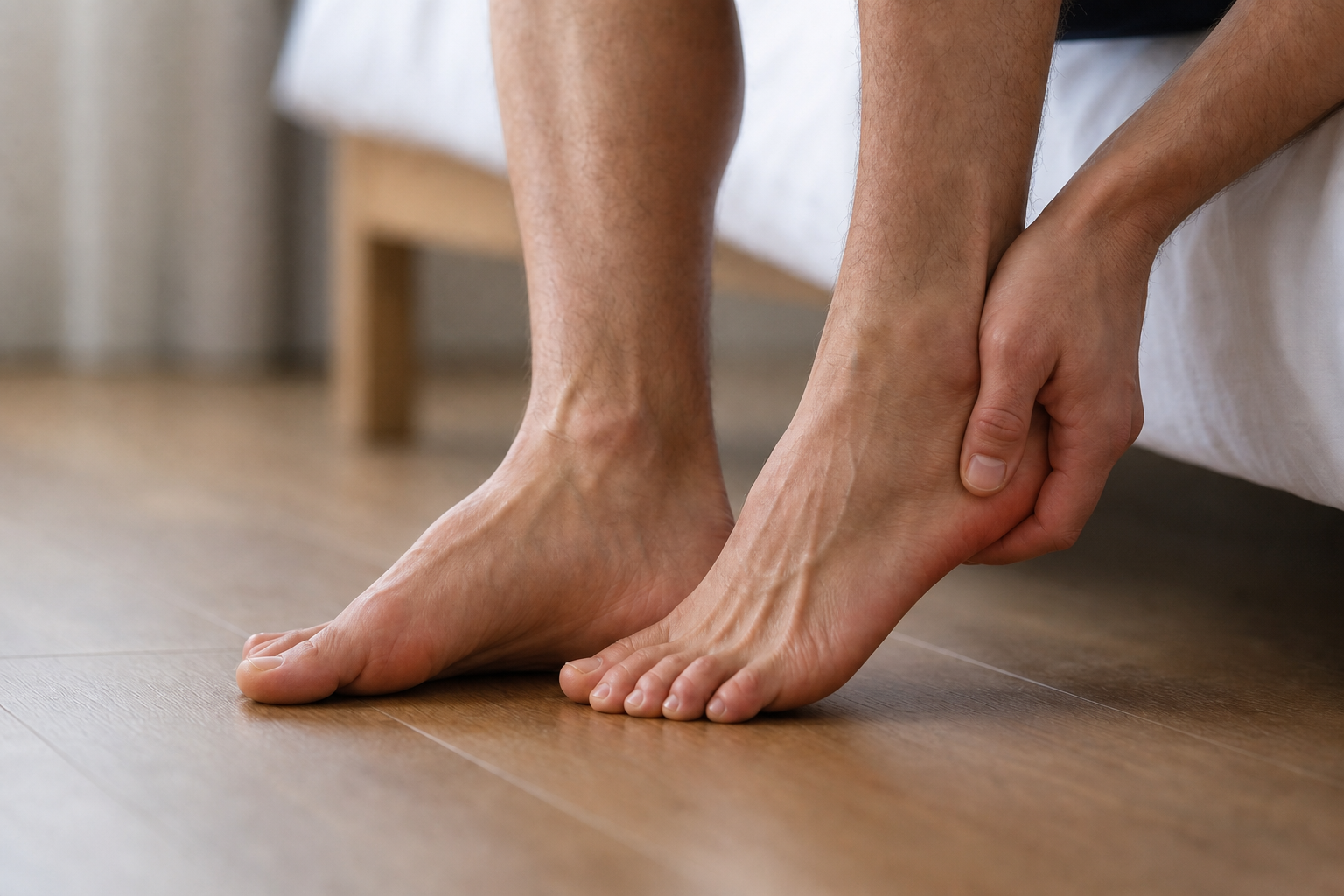
Morning Heel Pain Close Up-2

What Is Heel Pain?

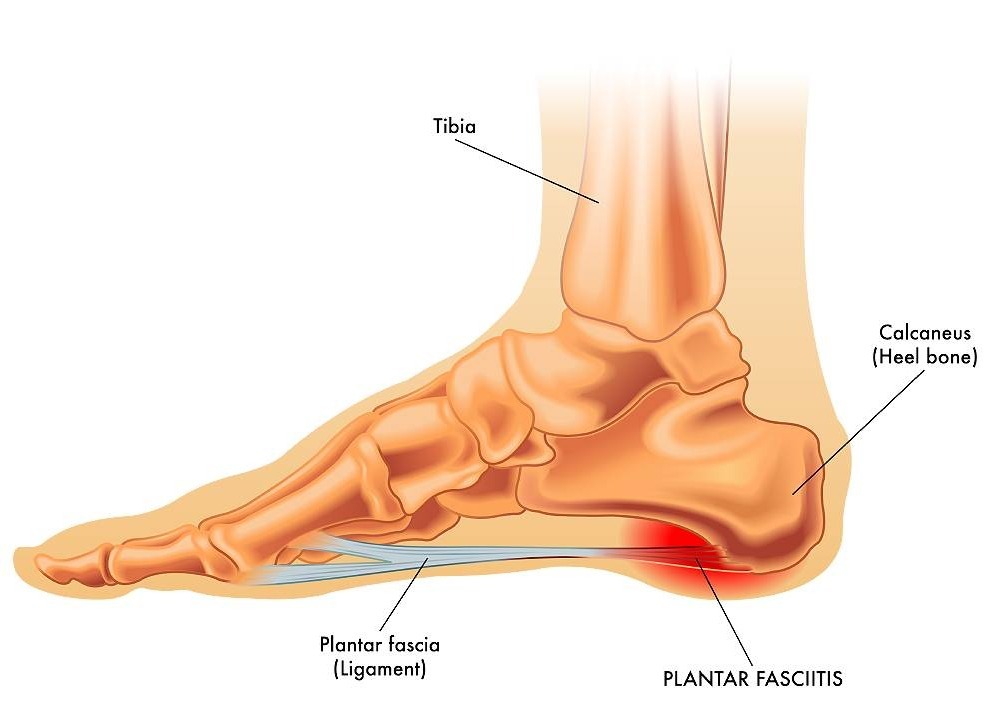
Heel pain is discomfort in or around the heel bone (calcaneus), the largest bone in the foot. The calcaneus absorbs the impact of every step, so stress on the bone or inflammation in the tissues attached to it, such as the plantar fascia underneath or the Achilles tendon behind, makes walking painful. Left alone, heel pain can affect mobility and posture and limit daily activities.

Heel Pain Symptoms

Symptoms vary with the underlying condition. Common patterns include:

  • Sharp pain under the heel with the first steps in the morning or after rest, typical of plantar fasciitis.
  • A dull, persistent ache that worsens with long standing or walking, often linked to heel spurs or long-standing plantar fasciitis.
  • Swelling, tenderness or warmth at the back or bottom of the heel, seen in Achilles tendonitis and heel bursitis.
  • Stiffness after inactivity that makes it hard to flex or point the foot.
  • Localised pain and bruising that worsens with weight-bearing, a sign of a stress fracture.
  • Burning, tingling or pain spreading from the heel into the arch or toes, often from nerve compression in tarsal tunnel syndrome.
  • Sudden heel pain with redness and heat, which can occur with gout.
  • Morning stiffness with pain in other joints, as seen in rheumatoid arthritis.
  • Numbness or a cold sensation in the heel, which can point to poor circulation from peripheral arterial disease (PAD) or diabetes.
  • Heel pain in a child that worsens with running or jumping and eases with rest, typical of Sever's disease.

Conditions that Cause Heel Pain

Heel pain is grouped by the structure involved. The most common conditions are:

  • Plantar fasciitis: inflammation of the plantar fascia, the thick band of tissue supporting the arch. Pain sits under the heel and is worst with the first morning steps.
  • Heel spurs: bony growths under the heel bone, usually linked to plantar fasciitis. They can cause sharp pain on standing after rest but are not always painful.
  • Achilles tendonitis: inflammation of the tendon joining the calf to the heel bone, usually from overuse, causing pain and stiffness at the back of the heel.
  • Stress fractures: small cracks in the heel bone from repetitive force, common in athletes, with pain that builds during weight-bearing activity.
  • Tarsal tunnel syndrome: compression of the posterior tibial nerve, causing pain, tingling or numbness in the heel that can spread across the foot.
  • Heel bursitis: inflammation of the fluid-filled sacs (bursae) around the heel from repetitive movement, tight shoes or direct pressure. It can sit between the Achilles tendon and heel bone (retrocalcaneal), between the skin and tendon (subcutaneous calcaneal), or beneath the tendon (sub-Achilles).
  • Haglund's deformity: a bony bump at the back of the heel, often called "pump bump", aggravated by stiff or high-backed shoes.
  • Sever's disease: irritation of the heel growth plate in active children during growth spurts, triggered by high-impact movement.

Common Causes of Heel Pain

Most heel pain comes from cumulative strain rather than a single injury
heel-pain-causes

What Causes Heel Pain?

  • Overuse from running, jumping, or prolonged standing.
  • Shoes without adequate support or cushioning, including worn-down heels and soles.
  • Long periods of standing or walking on hard surfaces.
  • Walking barefoot on hard floors at home.
  • Abnormal walking patterns such as overpronation, where the feet roll inward and overload the heel.
  • Direct impact or repeated micro-trauma to the heel.
  • Underlying conditions such as rheumatoid arthritis, gout or diabetes.

Who Has Greater Risk of Experiencing Heel Pain?

  • Older adults, as the fat pad under the heel thins with age and offers less cushioning.
  • People carrying extra weight, which increases pressure on the heel.
  • Runners and athletes doing high-impact training.
  • Active children going through growth spurts.
  • People with diabetes, which can cause nerve damage and poor circulation.
  • Women going through menopause, as falling oestrogen can bring joint stiffness and weight gain.
  • People with inflammatory arthritis.

Heel Pain Diagnosis

Identifying the cause is the first step to effective treatment. At your consultation, a podiatrist typically:

  • Reviews your history: when the pain started, what aggravates it, your daily activity, footwear, and any previous injuries.
  • Examines the foot: checks tender spots, joint range, foot posture and any swelling or bony changes.
  • Assesses how you walk: looks at gait and foot mechanics that may be overloading the heel.
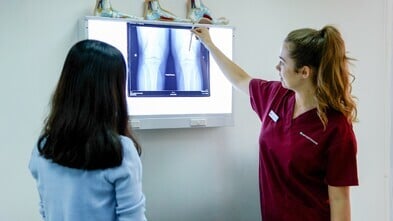
  • Recommends imaging if needed: an X-ray or MRI may be advised where a stress fracture, spur, or soft tissue injury is suspected.

Treatment Options for Heel Pain in Singapore

Conservative Management

  • Rest and ice: reduce inflammation and pain, especially in overuse injuries.
  • Stretching and strengthening: calf and plantar fascia stretches with strengthening exercises improve flexibility and foot support.
  • Anti-inflammatory medication: NSAIDs ease swelling and pain in the short term but do not address the cause on their own.
  • Sports taping: gives temporary stability and reduces strain on the heel during activity.
  • Custom shoe insoles: customised orthotics support the heel and arch and spread pressure more evenly.

For cases that still linger after conservative management, more advanced therapy options can be considered:

Surgical Intervention

Surgery is uncommon for heel pain. It may be considered when conservative care has not helped or where there is structural damage. The longer heel pain goes untreated, the more intensive treatment it tends to need, so early assessment matters.

Prevention

  • Wear shoes that fit well and offer support and cushioning.
  • Replace shoes before the cushioning wears down or collapses.
  • Avoid walking barefoot on hard surfaces.
  • Use heel pads or custom orthotics to absorb shock during long periods of standing or walking.
  • Maintain a healthy weight.
  • Warm up before physical activity.
  • Take breaks from standing to rest your feet.

Frequently Asked Questions About Heel Pain

Will heel pain go away on its own?
Heel pain may ease after a period of rest, but the underlying factors usually remain until treated. Once you return to exercise or long hours on your feet, the pain often returns. Left untreated, it can become chronic and harder to resolve.
Will heel pain go away if I only take NSAIDs?
NSAIDs can reduce inflammation and give temporary relief, but they are unlikely to resolve heel pain alone because they do not address the cause. Lasting relief usually combines them with rest, stretching and supportive footwear, guided by a podiatrist's diagnosis.
When should I see a podiatrist for my heel pain?
See a podiatrist if heel pain lasts more than two weeks despite rest and supportive footwear, or if it limits your daily activities. Seek earlier review if the pain followed an injury, comes with swelling, redness, numbness or tingling, or affects a child during a growth spurt. People with diabetes or poor circulation should have heel pain checked promptly, as reduced sensation can mask injury.
Do shoes matter when I have heel pain?
Yes. Shoes without adequate support or cushioning, or with worn-down heels and soles, increase pressure on the heel with every step. Walking barefoot on hard floors at home adds to that strain. Supportive, well-fitting shoes, with heel pads or custom orthotics where needed, help spread the load and reduce pain.
What options do podiatrists offer for heel pain?
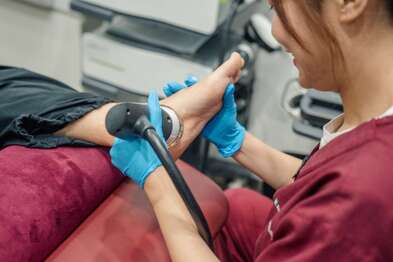
At East Coast Podiatry, options include custom foot orthotics, ESWT, EMTT, targeted stretching and strengthening exercises, and sports taping. The right combination depends on the cause identified at your assessment.

Visit Our Singapore Clinics

Our Locations

Conveniently located in Orchard, Novena, Bukit Timah, Kembangan, and Marine Parade, making expert podiatry care easily accessible wherever you are.

East Coast Podiatry – Orchard

302 Orchard Road, Tong Building #09-02 (Rolex Centre), Singapore 238862

+(65) 6884 4123

Our Clinics

Find an East Coast Podiatry Clinic Near You

With five conveniently located clinics in Bukit Timah, Kembangan, Novena, and Orchard & Marine Parade, we provide thorough assessments and personalised care methods to address a wide range of lower limb issues that you or your family members might face. From initial assessment to tailored care plans, we ensure that every step of your journey is handled with expertise and attention to detail.

Clinic Operating Hours

Bukit Timah, Kembangan, Marine Parade, Novena

Mon to Sat - 9am to 6pm

Sun & Public Holidays - Closed

Orchard

Mon to Sun - 9am to 6pm

Public Holidays - Closed

We recommend scheduling an appointment before visiting.