




Thursday, 20 January 2022
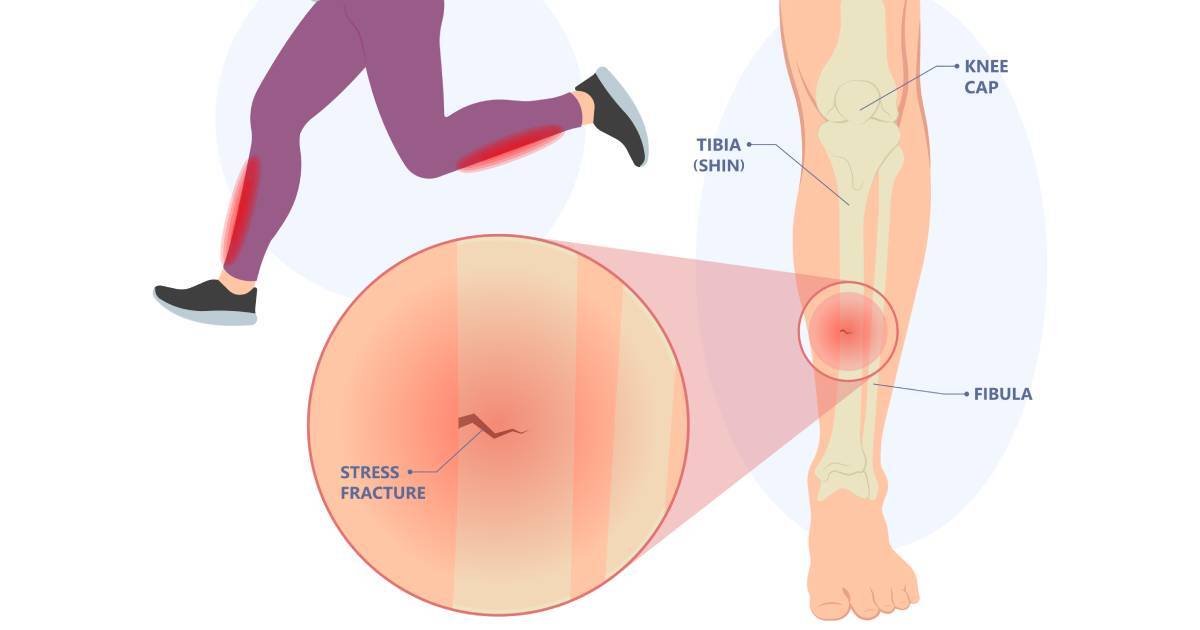
Most people tend to think of fractures simply as another term for a broken bone. However, the term can be applied to cracks as well. A small fissure or deep bone bruise that occurs due to repetitive trauma or overuse is termed a stress fracture. Early-stage stress reactions can also develop into stress fractures over time if there is insufficient recovery time.
Stress fractures are often found in the lower limbs and feet due to the repetitive force and impact sustained during daily activities such as walking or running. Stress fractures are also a common issue among athletes due to high-impact activities like running and sports that can cause micro-damage to the bone.
Whilst stress fractures can happen to any bone in the body, they commonly occur in the:
- Shin bone (tibia)
- Ankles
- Feet
- Hips
- Lower back
20-75% of stress fractures occur in the shin bone or tibia but are commonly mistaken for shin splints as the two conditions share similar symptoms.1 Stress fractures in the foot can happen in any bone, such as the heel (calcaneus), cuboid, or navicular, but is most common in the metatarsal bones, specifically the 2nd and 3rd metatarsals, as they are much thinner.
Causes of Stress Fractures
Unlike an acute injury, a stress fracture develops over time due to trauma or overuse. Improper healing due to insufficient recovery time can cause chronic problems or lead to additional stress fractures.
On top of overuse, other risk factors for stress fractures include:
- Low bone density
- Poor diet
- High impact sports
- Drastic increase in activity levels
- Gender
- Low (flat feet) or high arched feet
- History of stress fractures
- Hard and flat walking surfaces
Symptoms of Stress Fractures
A stress fracture may present as:
- Sharp immediate pain or dull aching pain at the site of injury
- Tenderness when the area is palpated
- Pain upon starting an activity that diminishes with rest
- Pain that is constantly present over a prolonged period during rest and activity
- Radiating pain
- Swelling or bruising
- Inability to bear weight on the injured area
- Changes or deformities to the area
How Are Stress Fractures Diagnosed?

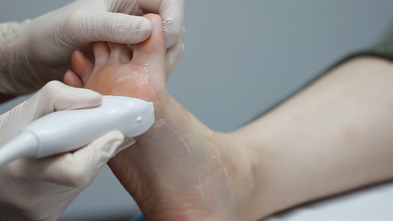
Stress fractures are usually diagnosed through a physical examination, an analysis of medical history, and diagnostic imaging (diagnostic ultrasound, MRI, X-ray, CT, or bone scan). It is important to note that stress fractures may be missed on an X-ray, especially if the scan is performed in the beginning stages of pain.
Managing Stress Fractures
Apply R.I.C.E (Rest, Ice, Compression, Elevation) for minor stress reactions or fractures to reduce swelling and pain. If your condition fails to improve or continues to worsen, consult a podiatrist for a professional diagnosis and care plan.
Podiatrists at East Coast Podiatry are specialised in performing advanced management modalities such as EMTT or SIS which can be used to speed up bone healing and encourage tissue regeneration. Fractures should always be offloaded for optimum healing results.

Stress fractures usually take 6 – 8 weeks to heal with proper management and care methods. If ignored or given insufficient recovery time, the pain is likely to become increasingly severe with a chance of fracture displacement, leading to the need for surgical intervention.
It is crucial for those with pre-existing immune-compromising medical conditions such as diabetes to visit a medical professional as soon as possible. This is because the healing process for such individuals may be different, and complications can lead to more serious problems down the line. Speak to your podiatrist for further advice if you have any concerns.