

Friday, 24 December 2021
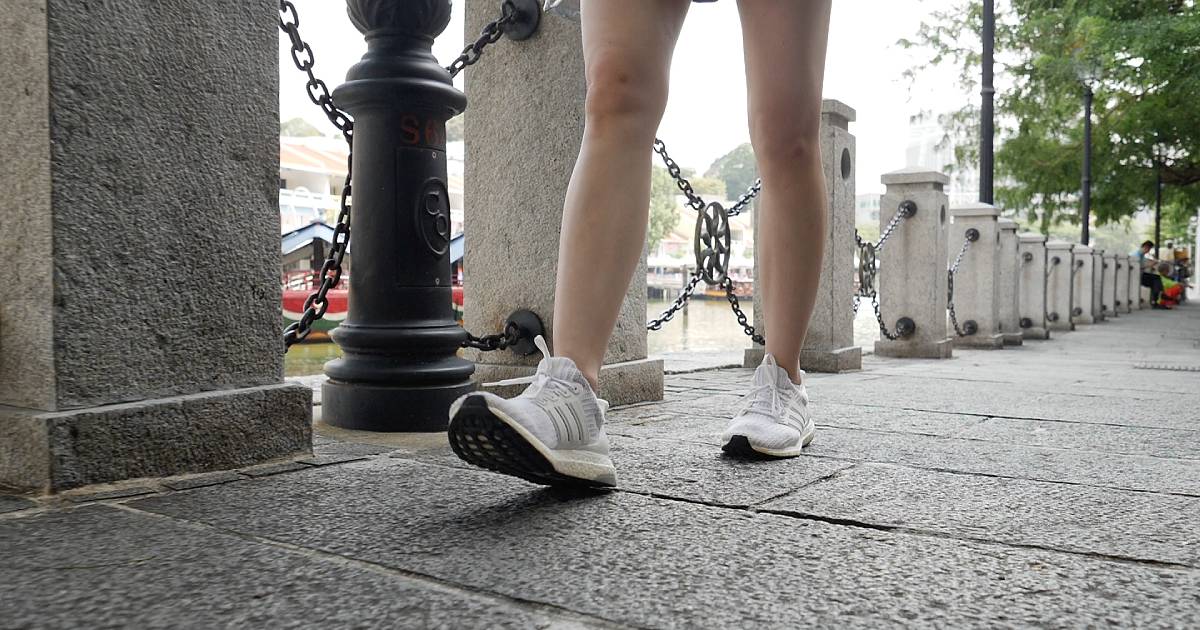
From being a symbol of health to quizzes that supposedly identify your personality through your walking style, an individual’s walking style is often talked about as a matter of lifestyle and/or preference. However, your walking style is actually influenced by pronation, which is the natural side-to-side movement of the foot during motion. This normally occurs as weight is transferred from the heel to the ball of the foot when a person walks or stands.
The way your foot touches the ground during movement affects your entire body and can cause pain in the foot, ankle, knee, and other associated parts of your body. During motion, it is normal for the foot to roll inwards slightly with each step, but excessive pronation to each side (overpronation or supination/underpronation) can increase the risk of painful injuries and overuse conditions.
Neutral
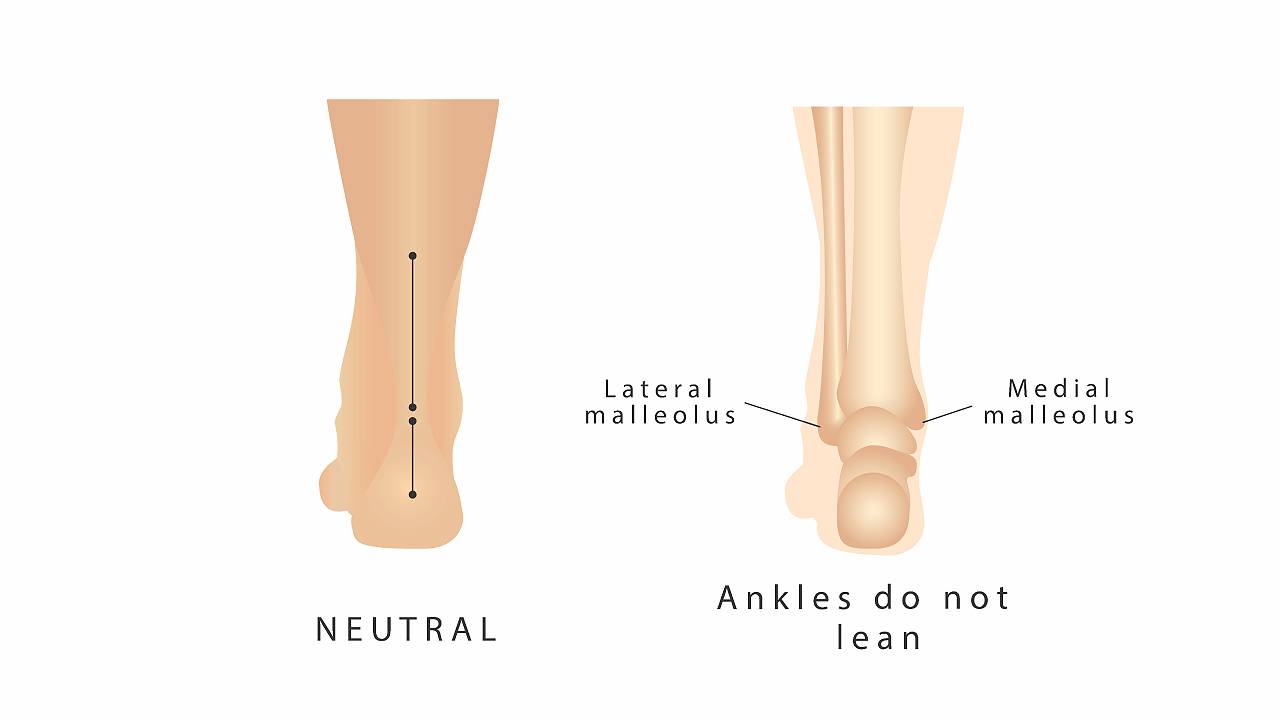
A neutral gait is the most ideal and common style of walking that allows weight to be evenly distributed across the foot. Individuals with this walking style are also less prone to injuries.
As the heel strikes the ground, the foot will pronate slightly to cushion the shock. During push-off, there should be even pressure distribution on the front of the foot with the sole rising to face the back directly. When in a neutral standing position and during the entire gait cycle, the ankle should be aligned with the lower leg and heel of the foot.
Overpronation
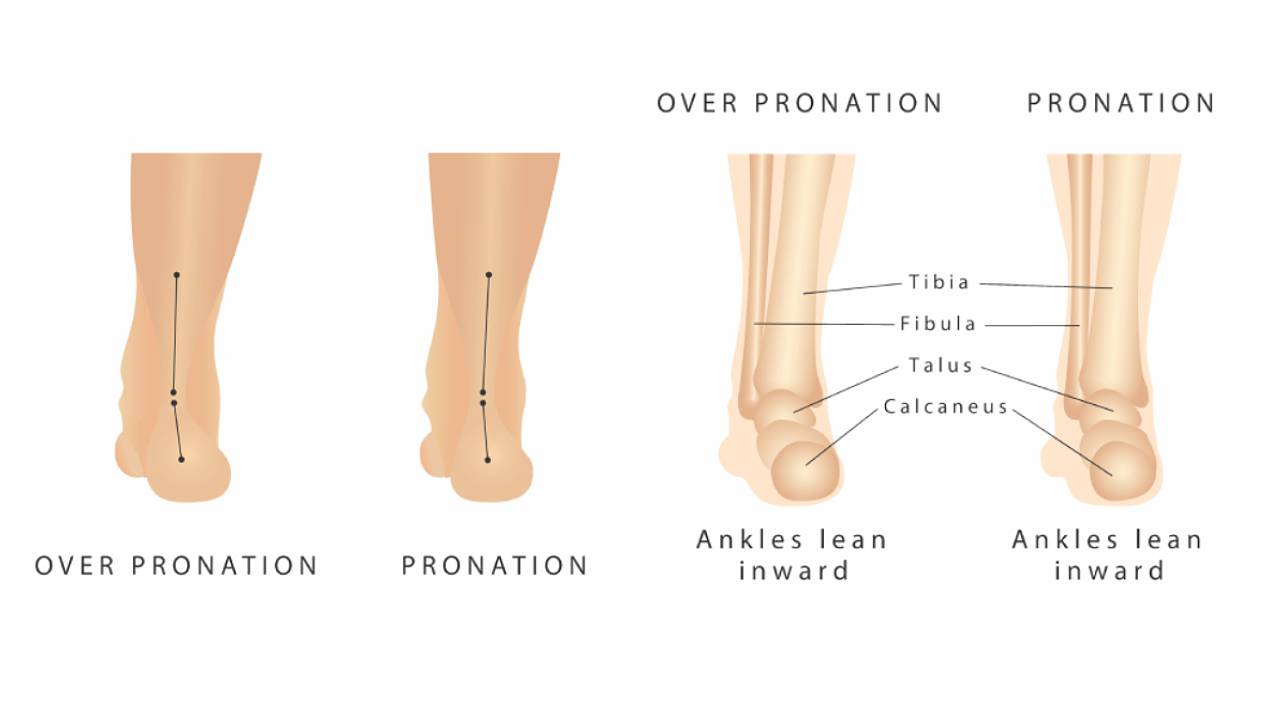
Overpronation is the excessive inward and downward rolling of the foot towards the arch. During motion, the outer part of the heel strikes the ground first before the foot flattens and rolls inwards, even up to the point when the toes start to push off. This places most of the body weight and pressure on the first and second toe during push-off and increases the individual’s risk for strains or instability in the foot and ankle.
What Causes Overpronation?
Overpronation is common amongst individuals with flat feet. Weakened arches cause the ankle to roll in and the arch to collapse when the foot makes contact with the ground. Flat foot can be congenital or acquired over time due to situations like pregnancy, obesity, or lower limb overuse. However, not all cases of flat feet will cause overpronation.
Common Injuries Caused by Overpronation
Overpronation disrupts the natural alignment of the body and places added stress on the muscles, tendons, and ligaments of the foot as the arch flattens and the ankle rolls inwards with every step.
This makes individuals who overpronate much more susceptible to injuries such as:
- Plantar fasciitis
- Posterior tibialis tendon dysfunction (PTTD)
- Medial tibial stress syndrome (MTSS)/shin splints
- Achilles tendonitis
- Heel pain
- Bunions
- Lower back pain
- Patellofemoral pain syndrome
- Iliotibial band syndrome (ITBS)
- Stress fractures in the foot, ankle, or lower leg
How Is Overpronation addressed?
Overpronators will benefit from podiatric care methods such as:
- Supportive motion-control shoes
- Custom orthotics to correct gait pattern
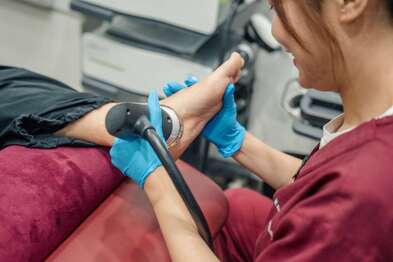
- Extracorporeal shockwave therapy (ESWT) and extracorporeal magnetotransduction therapy (EMTT) can be used to relieve muscle tightness and speed up tissue healing for injuries
- Exercise and stretching plan to strengthen the muscles in the feet and arches
Supination (Underpronation)
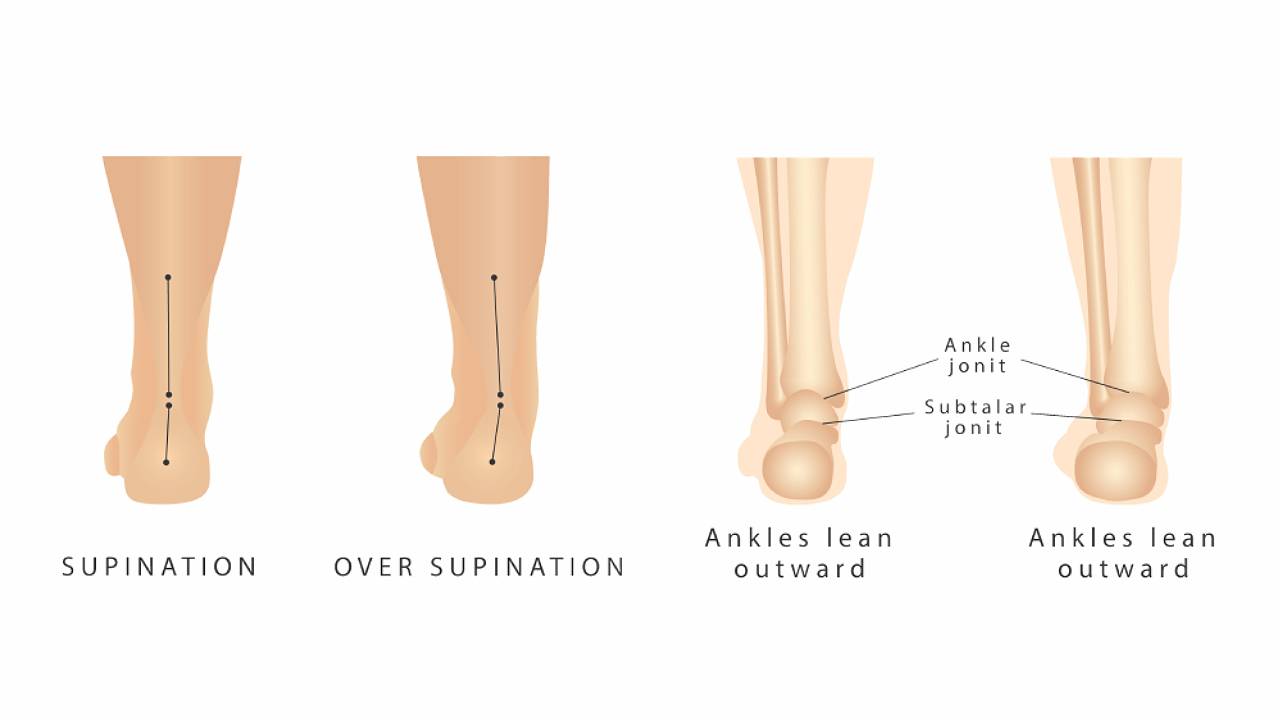
Supination is the excessive outward rolling of the foot towards the lateral edge. During motion, the individual does not pronate enough during the push-off phase of a stride, placing greater stress on the lateral aspect of the foot and smaller toes. Supination also puts the lower limb out of alignment and causes the ankle to roll outwards, increasing the risk of ankle sprains.
What Causes Supination?
Supination is common in individuals with high and rigid arches that make it hard for them to pronate. Other causes of supination include leg length difference, weak ankle muscles or ligaments, and previous ankle injuries.
Common Injuries Caused By Supination
Supination often occurs because of muscle imbalances in the feet. People who supinate may present with problems such as:
- Frequent ankle pain, sprains, and instability
- Plantar fasciitis
- Achilles tendonitis
- Pain in the heel, ball, or outside of the foot
- Swelling or pain in the outer knee
- Calluses or bunions on the side of the foot
- Claw toes or hammer toes
- Pain in the hip and lower back
- Iliotibial band syndrome (ITBS)
How Is Supination addressed?
Supinators will benefit from podiatric management methods such as:
- Neutral-type shoes
- Custom orthotics
- Extracorporeal shockwave therapy (ESWT) and extracorporeal magnetotransduction therapy (EMTT) can be used to relieve muscle tightness and manage injuries caused by supination
- Exercise and stretching plan to loosen up the muscles in the feet and arches
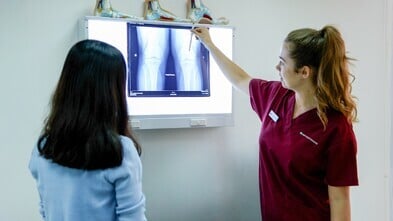
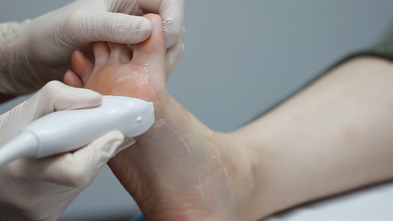
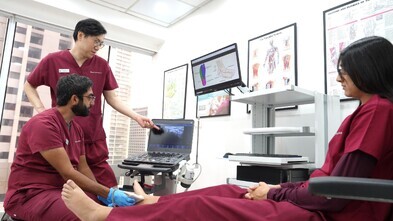
As all three styles of walking naturally occur and without conscious control, determination of your walking style can be performed by seeing a podiatrist for a proper physical assessment and biomechanical examination to prevent the onset of any likely injuries.